India is home to the world’s largest population of wild tigers, but this wasn’t always the case. In the early 1900s, it was estimated that over 1,00,000 tigers roamed the country’s forests. The urgent need for tiger protection in India became clear by the early 1970s, as relentless hunting, habitat loss, and poaching had reduced the population to below 1,800. The crisis triggered a wave of awareness and compulsory action, marking the beginning of one of the most ambitious wildlife recovery missions in history. A shining example of this success is the Sariska Tiger Reserve, a vital part of India’s conservation legacy and a powerful testament to ecological revival.
National Efforts in Tiger Conservation: A Global Model
India launched Project Tiger in 1973, initially establishing 9 reserves, including the renowned Jim Corbett National Park. This landmark initiative aimed to stabilise the dwindling tiger population through habitat protection, anti-poaching measures, and dedicated conservation zones. By 2022, the conservation efforts encompassed 53 tiger reserves and 83,000 sq. km. of forest land. Project Tiger stands as a testament to the ongoing government commitment.
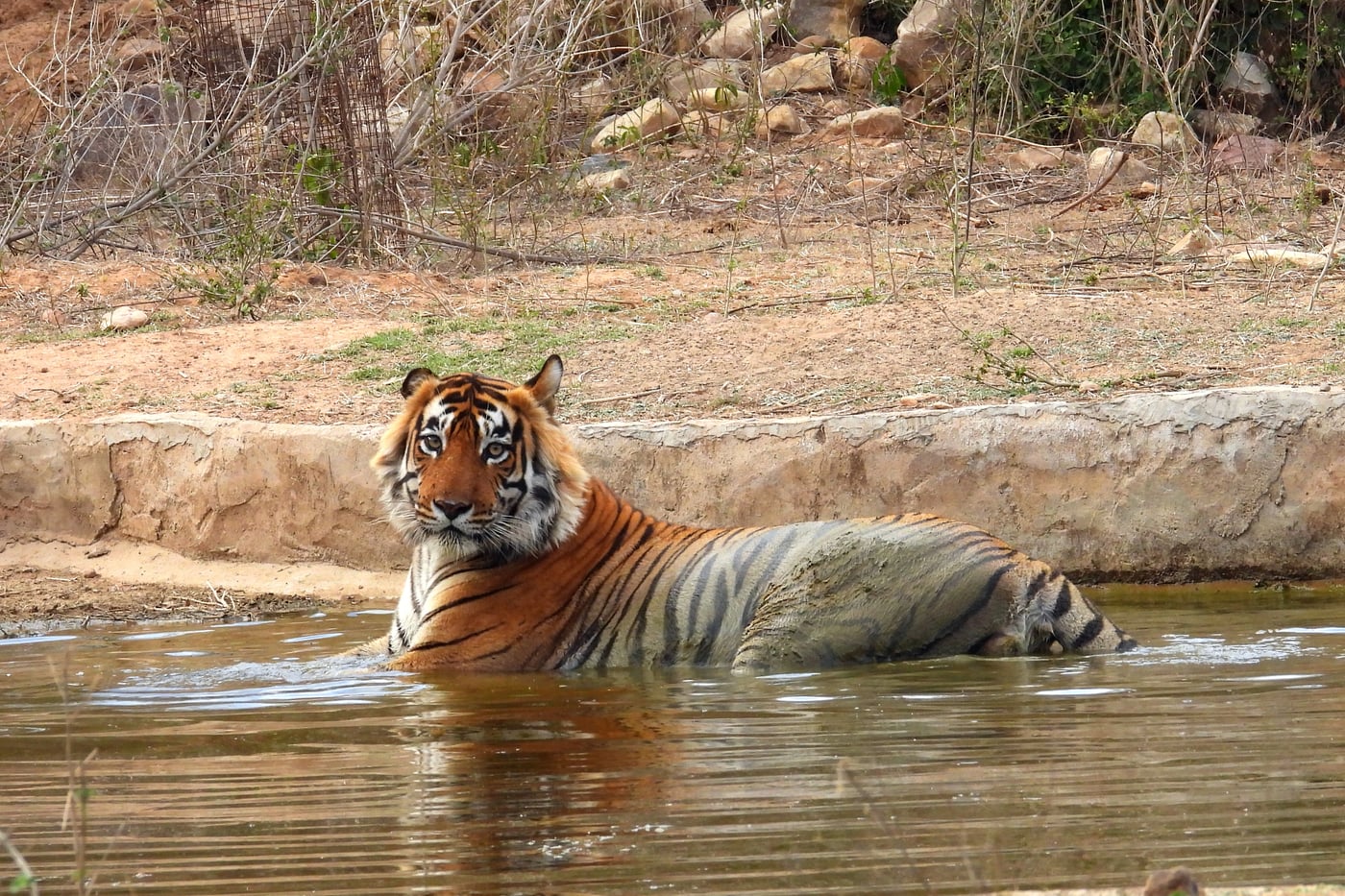
The establishment of the National Tiger Conservation Authority (NTCA) in 2005 added a critical layer of centralised oversight. Supporting reserve management and ensuring accountability, the NTCA also implements the National Tiger Conservation Strategy, which harmonises tiger protection with local community development. India’s tiger numbers tell a story of steady recovery: from 1,411 in 2006 to 3,682 in 2022, according to the All India Tiger Estimation: an exercise conducted every 4 years using camera traps, field surveys, and GIS mapping.
Other significant initiatives include:
- M-STRIPES (Monitoring System for Tigers – Intensive Protection and Ecological Status): A tech-based tool that assists forest staff in monitoring wildlife and habitat conditions in real time.
- Special Tiger Protection Force (STPF): Armed units deployed to safeguard reserves with high poaching risk.
- Tiger Corridors: Ensuring genetic health and population expansion, 32 mapped and secured habitat corridors now provide safe movement for tigers.
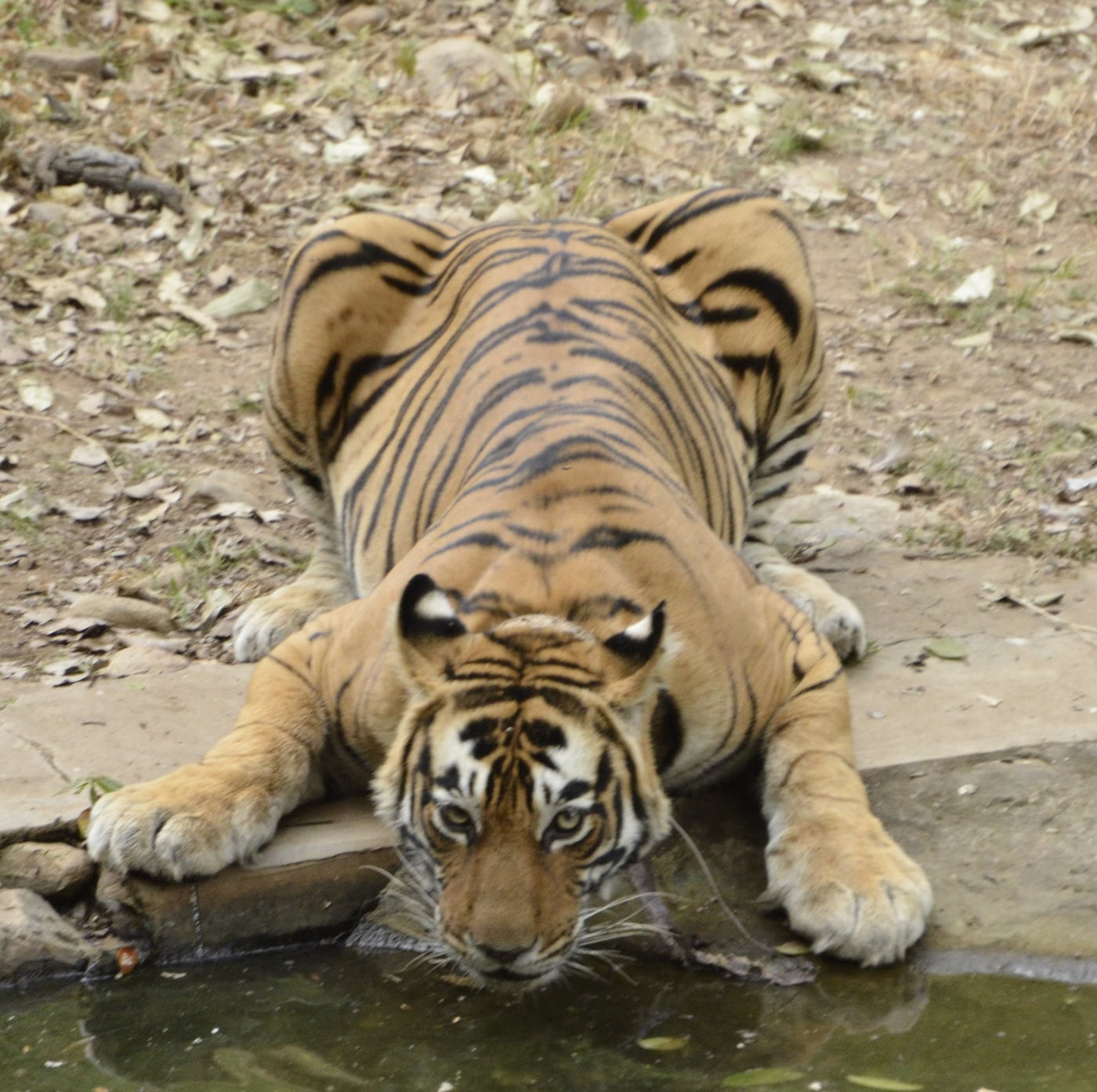
Sariska Tiger Reserve: From Local Extinction to Revival
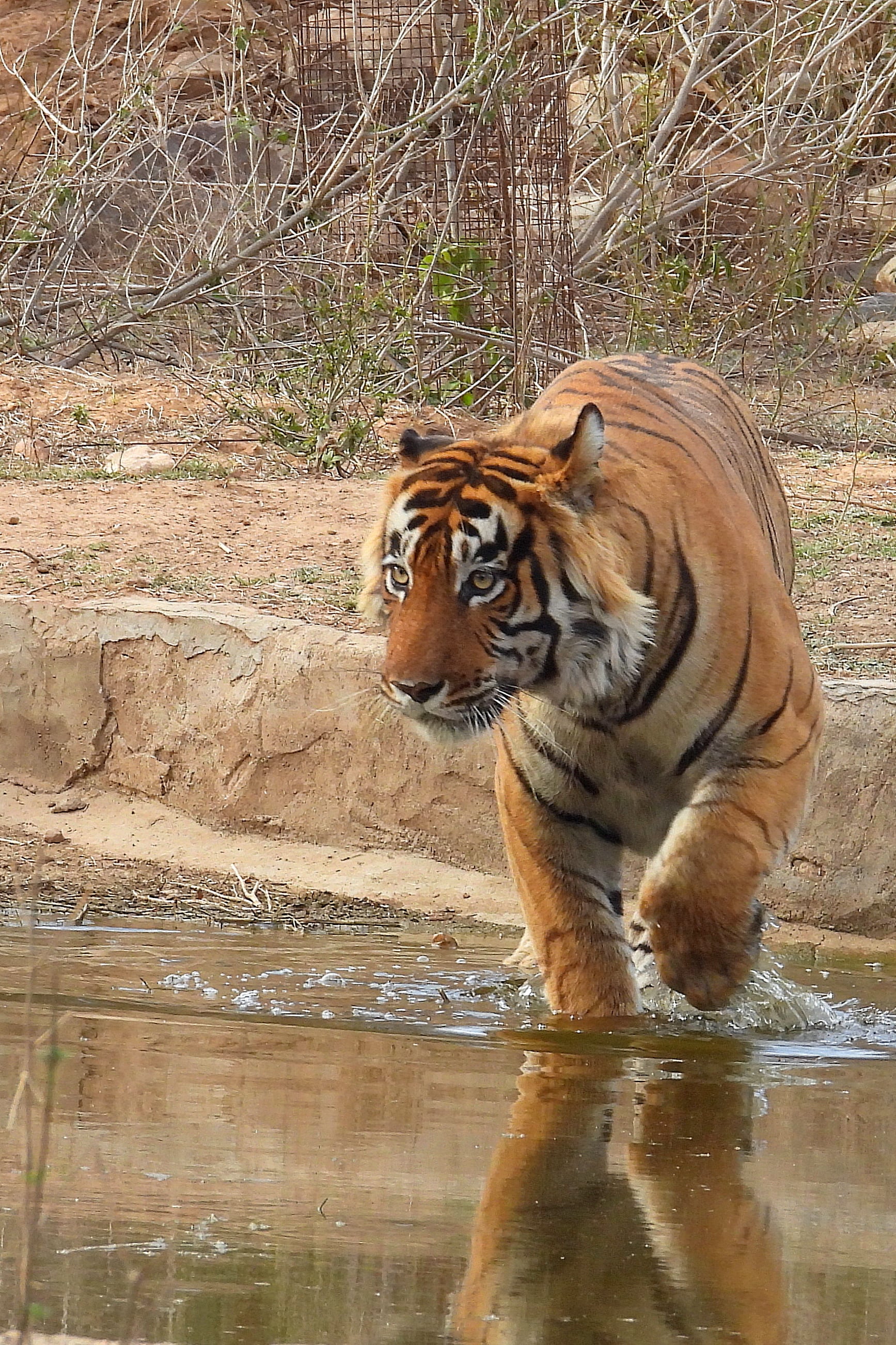
Located in Rajasthan’s Aravalli ranges, Sariska Tiger Reserve once had a thriving tiger population. Established under Project Tiger in 1978, Sariska made headlines in 2004 when all its tigers were declared locally extinct due to poaching. In response, a world-first effort began in 2008 to reintroduce tigers into Sariska. The 2 tigers were airlifted from Ranthambhore Tiger Reserve, followed by another tiger in 2009. The project proved successful, and by 2018, Sariska was home to 18 tigers, including 5 cubs, a remarkable conservation milestone.
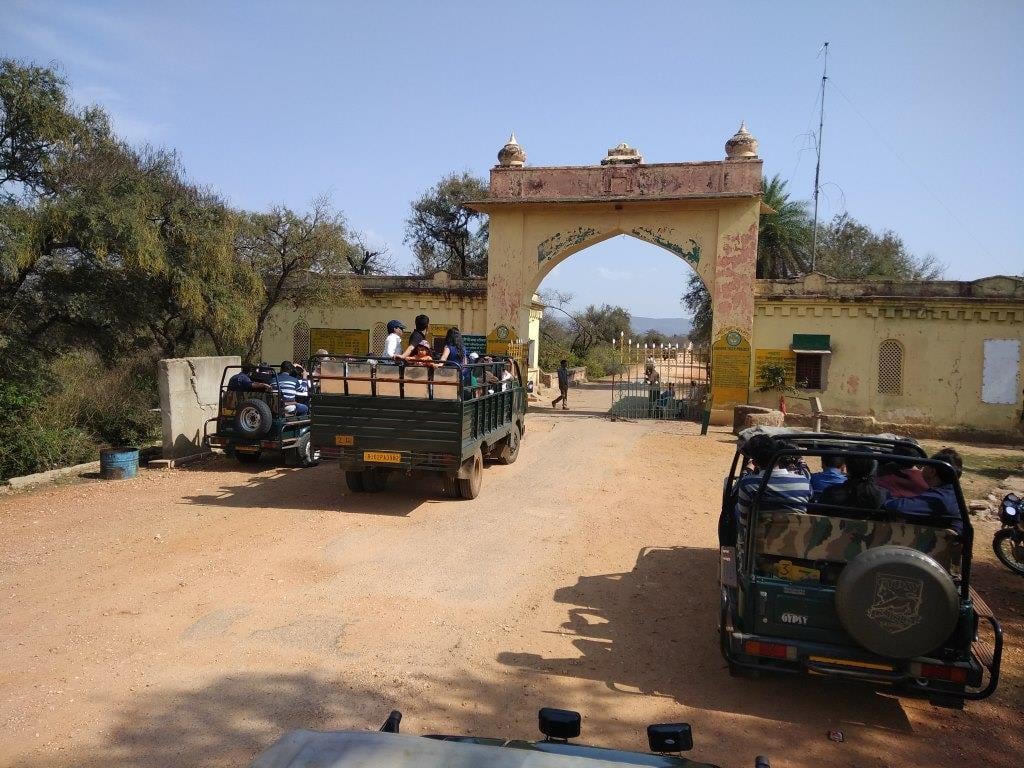
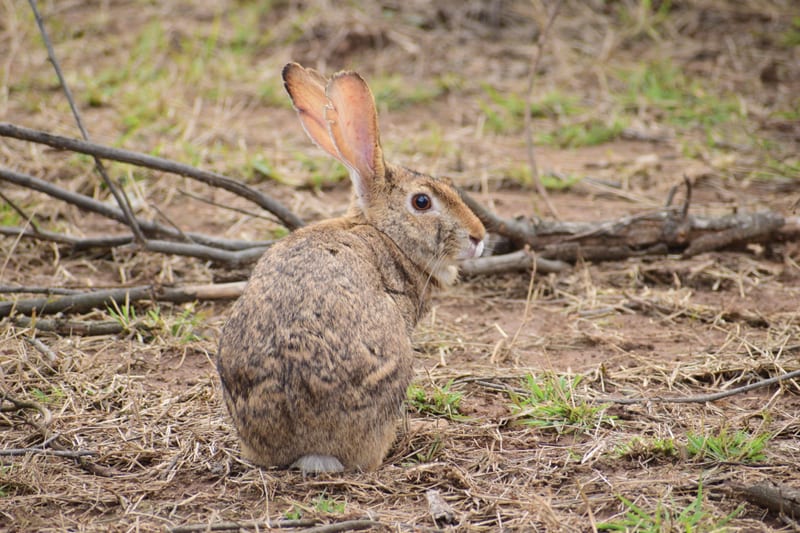
Sariska’s natural diversity is key to the conversation's success. With semi-deciduous forests, open grasslands, and the Ruparel River, the reserve supports not just tigers, but leopards, jungle cats, sambhar deer, wild boar, nilgai, and a rich variety of birds. A proposed expansion of 4,500 hectares is now underway to enlarge the Critical Tiger Habitat, ensuring its continued ecological health.
Responsible Tourism & Utsav Camp Sariska’s Commitment
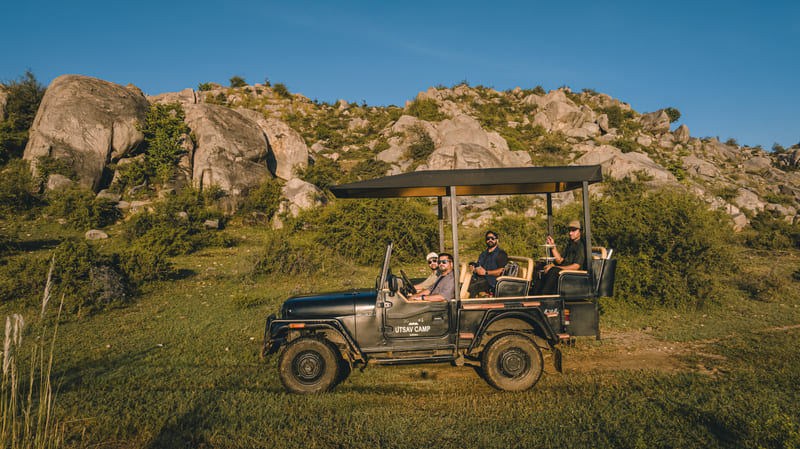
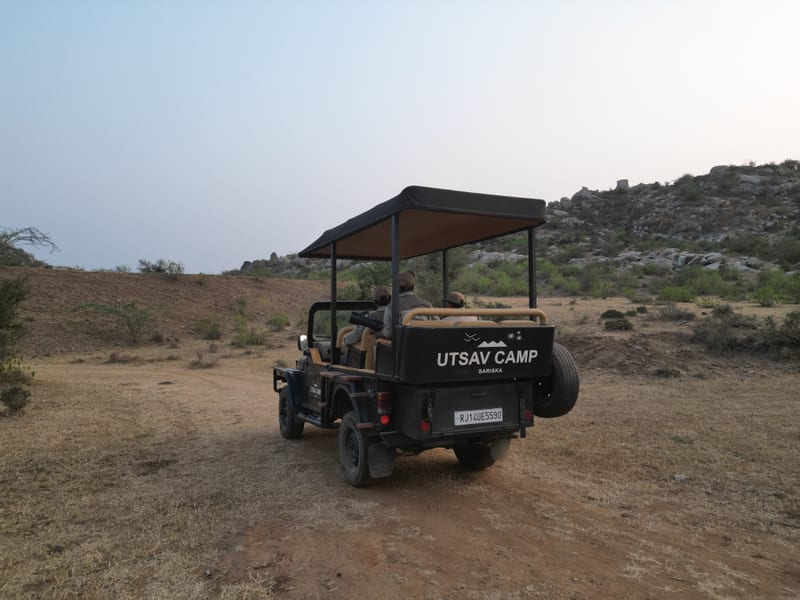
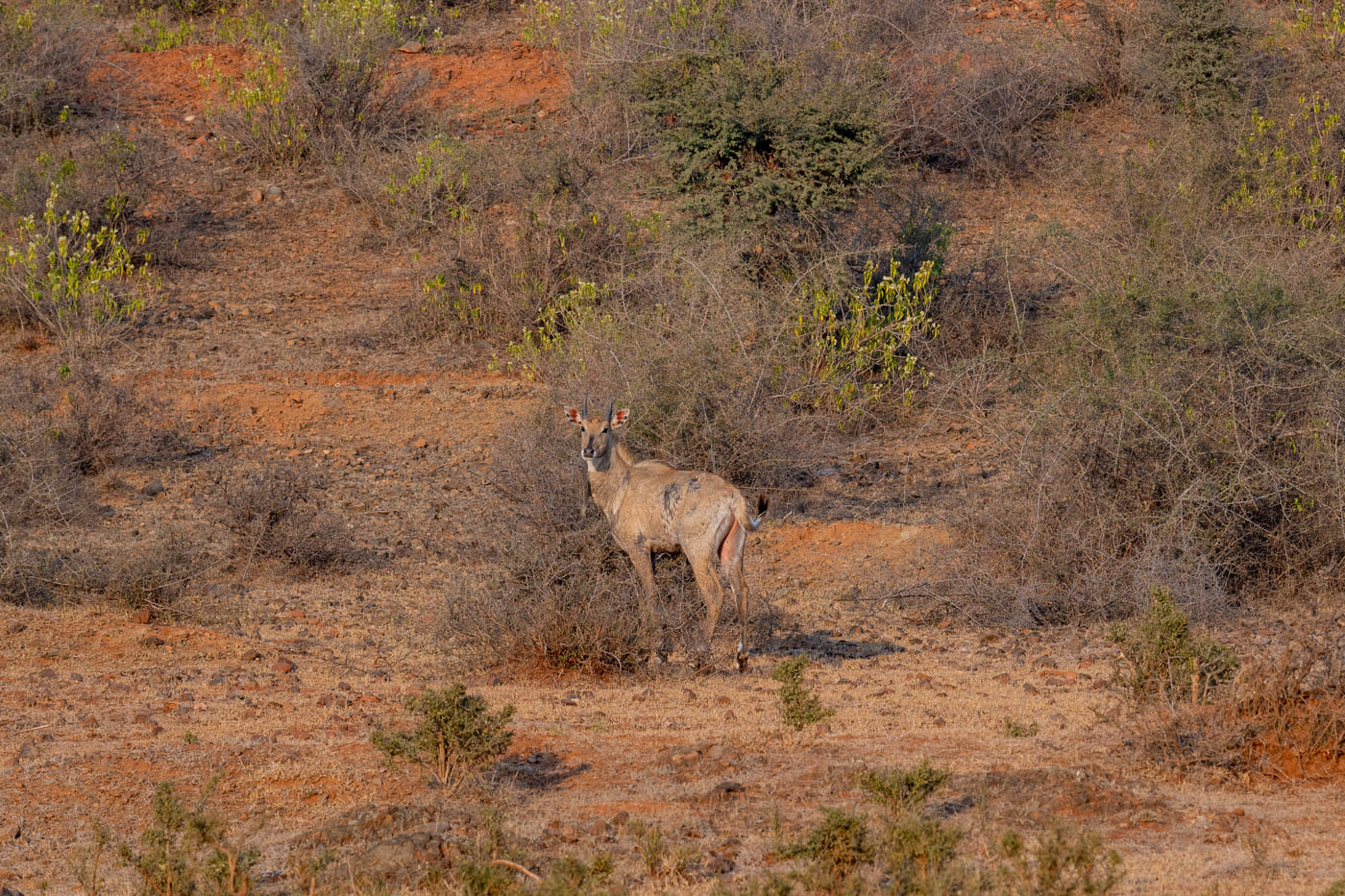
As tiger numbers recover, responsible tourism becomes vital. Educated, respectful visitors help support conservation by funding park management and local livelihoods. Utsav Camp Sariska, located near the quieter Tehla Gate, was founded with the vision of sustainable travel. Every stay here helps uplift the local community and contributes to long-term conservation efforts. Visitors should book official safaris through the Rajasthan Forest Department, particularly early morning drives, for the best chance to spot a tiger or other elusive wildlife. Utsav Camp Sariska’s team assists with bookings while ensuring that your experience aligns with ethical tourism standards.
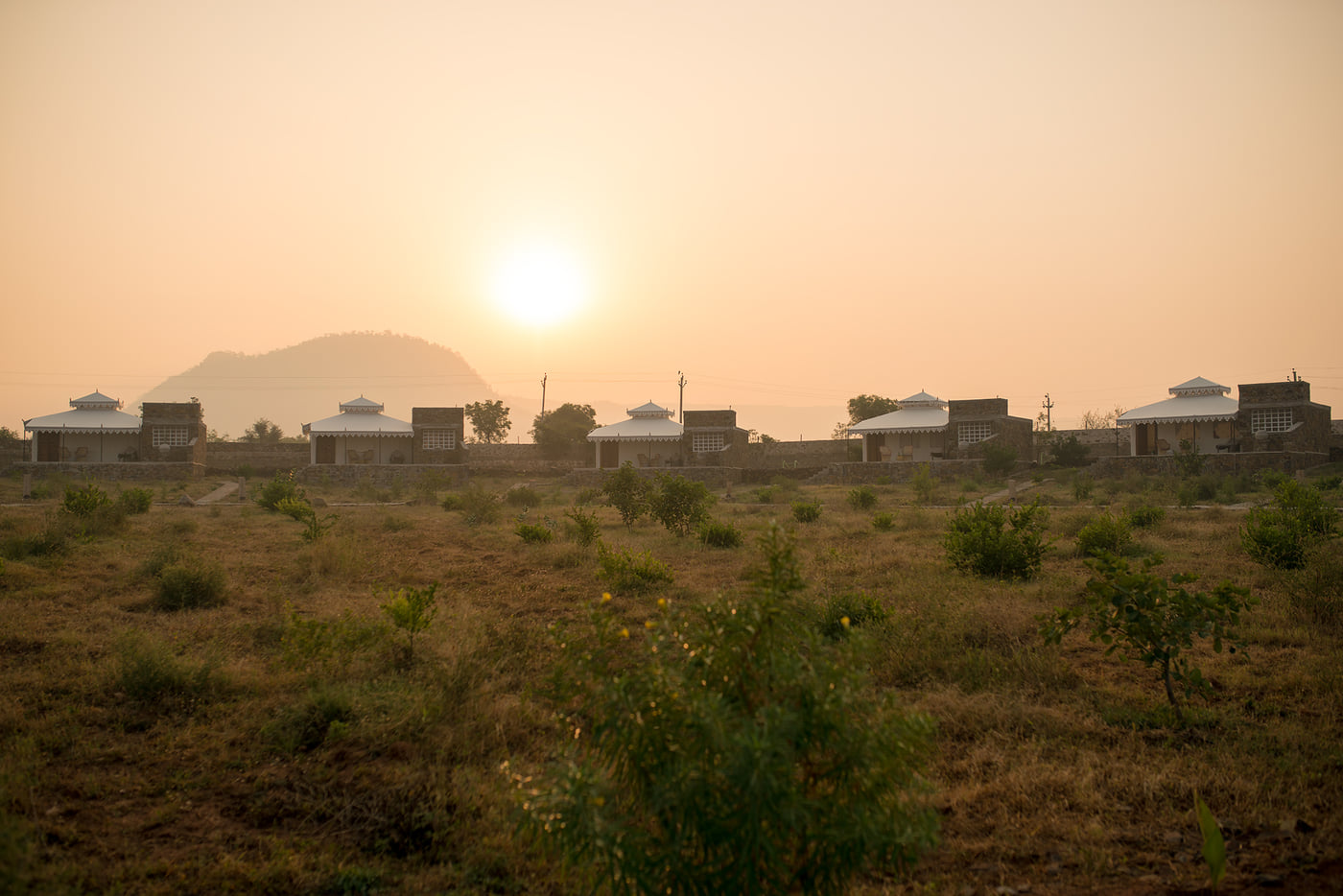
Stay at Utsav Camp Sariska: Your Gateway to the Wild
After a day of wildlife exploration, unwind in one of Utsav Camp Sariska’s thoughtfully designed stays: choose from Stone Cabins, Forest Bungalows, or the luxurious Forest Villas. Each is built to blend seamlessly with the natural landscape and offers comfort without compromising the eco-friendly ethos. Guests can also indulge in curated experiences that celebrate the surrounding wilderness. Enjoy high tea served in the heart of nature, embark on guided wilderness walks or birdwatching tours. Evenings come alive with starlit dinners, peaceful boulder sundowners, and serene breakfasts set in the wild, creating lasting memories in a setting that feels both remote and rejuvenating. Utsav Camp Sariska also offers attractive direct booking discounts, exclusive member benefits, and a relaxing on-site spa, making it the ideal base for nature lovers, photographers, and those seeking soulful escapes near Sariska.
Sariska Tiger Reserve's comeback is a symbol of hope, and your visit can be a part of that ongoing journey. Book your stay at Utsav Camp Sariska today and experience India’s conservation success story in the heart of the wild.