_ecbc8f8a.png)
Sariska National Park, located in the Alwar district of Rajasthan, is a haven for wildlife enthusiasts and nature lovers. Spanning an impressive 881 sq. km., this park is known for its diverse terrain, including dry deciduous forests, rocky landscapes, and grasslands. Originally a hunting ground for the Maharajas of Alwar, Sariska was later declared a wildlife reserve in 1955 and a tiger reserve in 1979 under Project Tiger. Today, it serves as a vital conservation area for numerous species, offering visitors a chance to witness Rajasthan’s rich biodiversity up close.
Key Mammals Found in Sariska
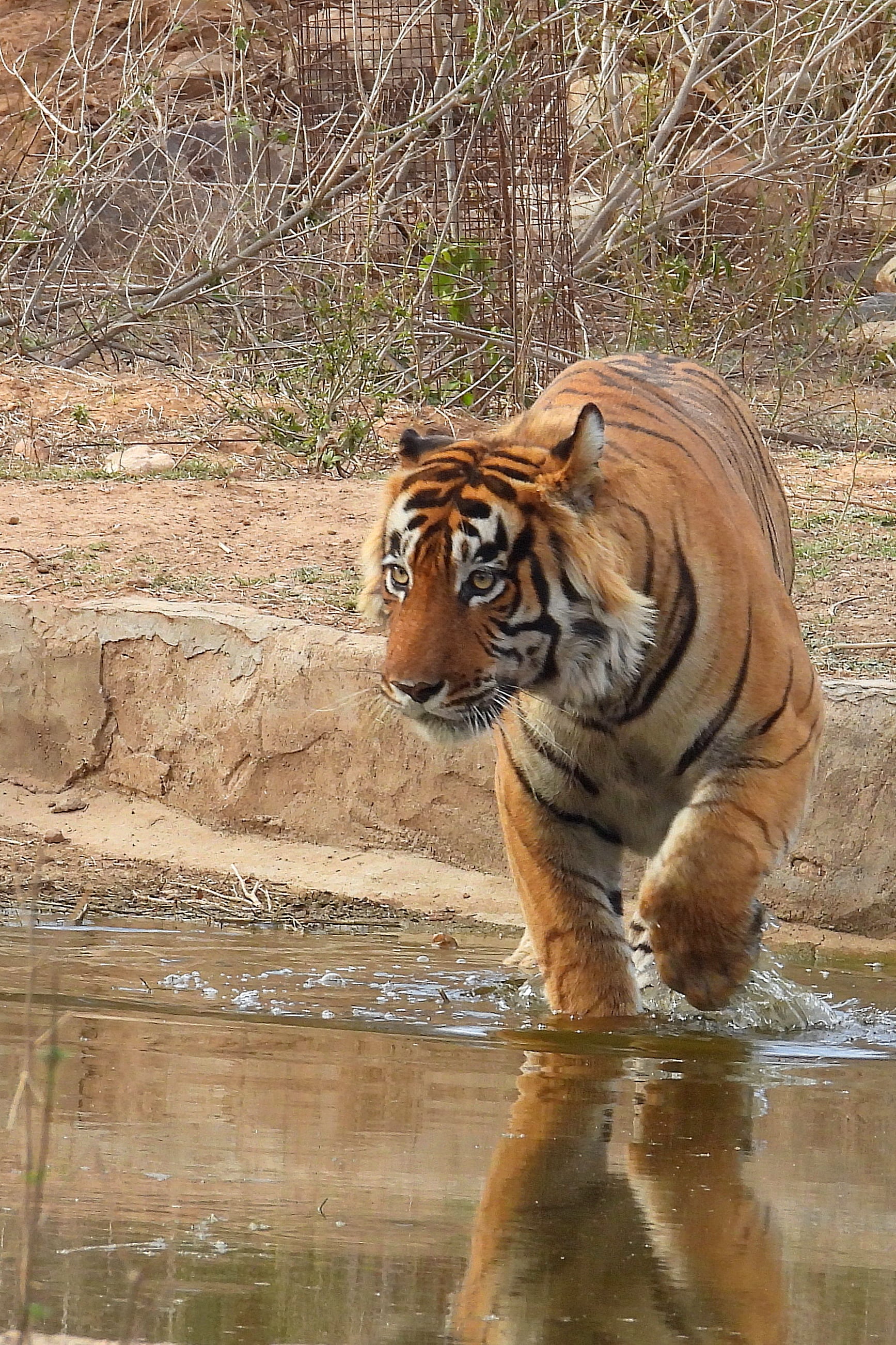
Royal Bengal Tiger (Panthera tigris tigris): One of Sariska National Park's biggest attractions is the majestic Royal Bengal Tiger. After the population dwindled due to poaching, efforts were made to reintroduce tigers in 2008, and as of June 2026, the park is home to 56 tigers, 22 of them cubs. These apex predators roam the dense forests and are often spotted near watering holes during safari expeditions.
Leopards (Panthera pardus fusca): Second only to the tigers, leopards are the park’s other dominant predators. These elusive cats prefer hilly terrains and rocky outcrops, making them harder to spot than tigers. However, early morning or late evening safaris increase the chances of an encounter.
Striped Hyenas, Jungle Cats, and Jackals: Striped hyenas, jungle cats, and jackals are vital to Sariska's ecosystem, contributing significantly to its balance. These scavengers and small predators contribute to natural waste disposal by feeding on carrion and hunting smaller prey.
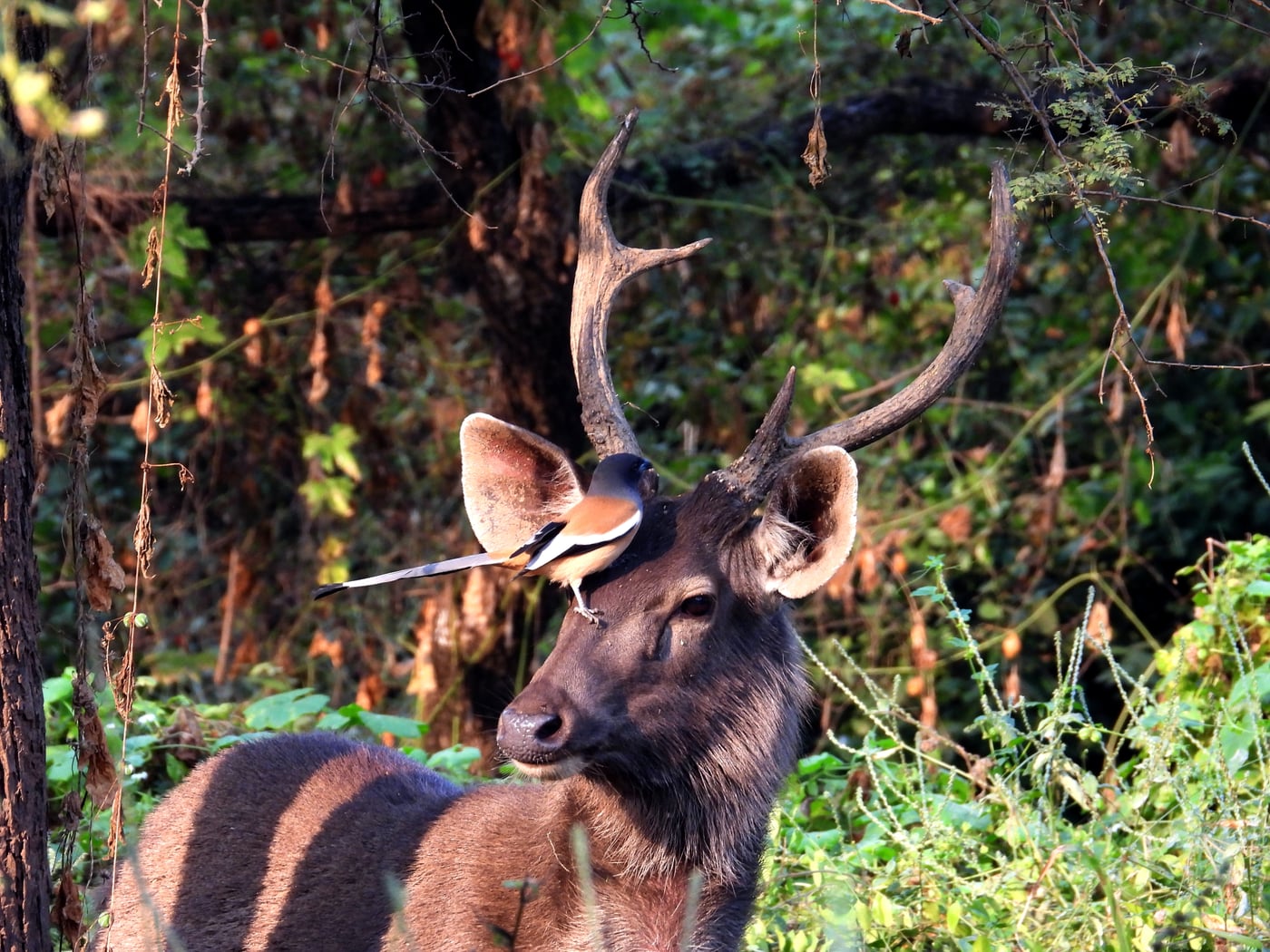
Sambhar Deer, Chital (Spotted Deer), and Nilgai (Blue Bull): The park hosts a thriving population of herbivores, including sambhar deer, chital, and nilgai. These animals form the primary food source for large predators like tigers and leopards. Their presence is crucial to the ecosystem, and visitors often spot them grazing in open grasslands.
Rhesus Macaques and Hanuman Langurs: Primates like rhesus macaques and Hanuman langurs are common throughout the park. These social creatures are often seen near water bodies and on forested trails, swinging effortlessly between trees or interacting in troops.
Birdlife in Sariska
Sariska is a paradise for bird watchers. The park boasts 470+ bird species, making it an excellent destination for avian enthusiasts.
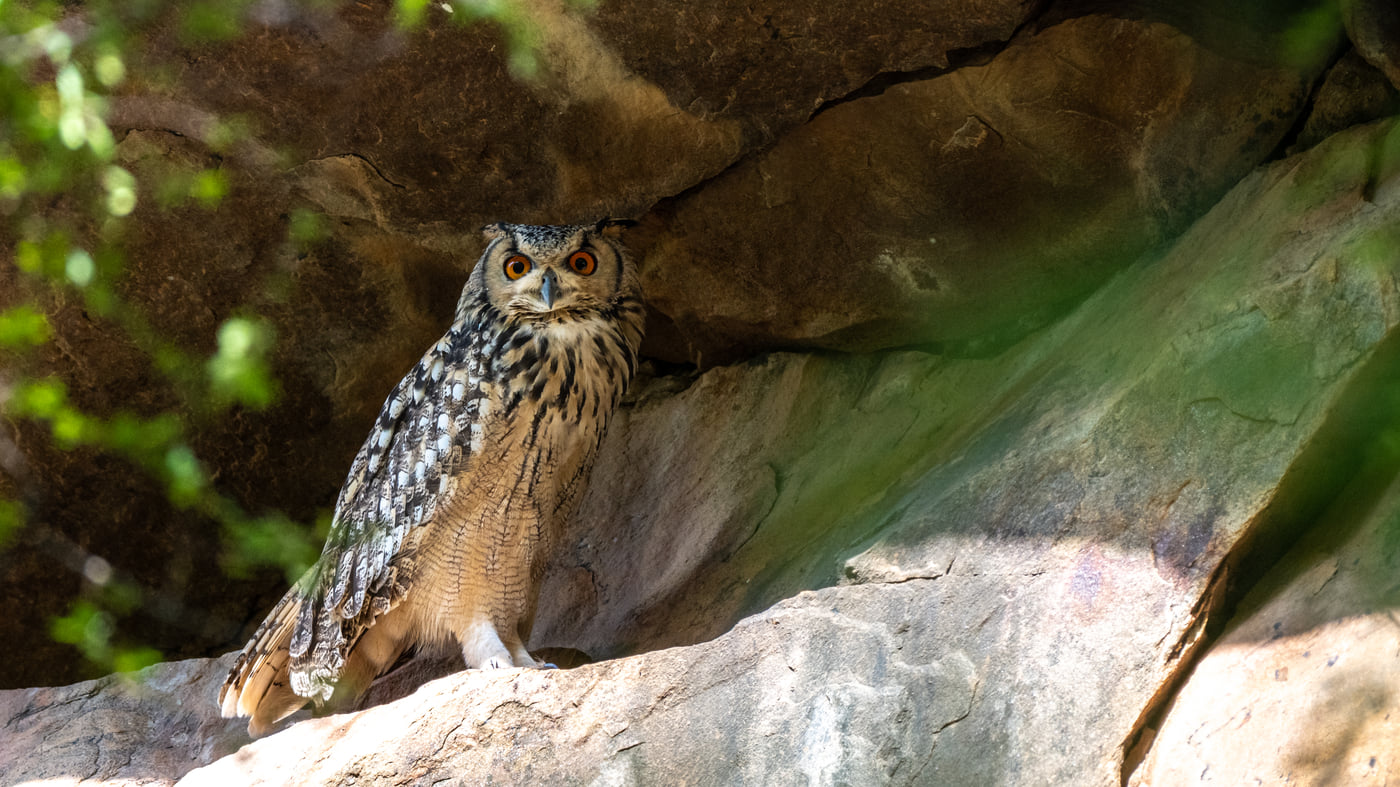
Indian Eagle Owl & Crested Serpent Eagle: Among the most prominent avian predators in Sariska are the Indian eagle owl and the crested serpent eagle. These raptors are often seen perched high on trees, scanning the landscape for prey.
Peafowls & Golden-backed Woodpeckers: Sariska is where India's national bird, the peacock, is frequently seen, and the visually stunning golden-backed woodpeckers are often observed foraging for insects on tree trunks.
Demoiselle Cranes & Sandgrouse: During the migration season, demoiselle cranes and sandgrouse make their way to Sariska, adding to the park’s seasonal biodiversity. These birds are best spotted near water bodies and open plains.
Reptiles & Other Fauna
Sariska National Park is also home to numerous reptiles and amphibians, adding to its rich wildlife diversity.
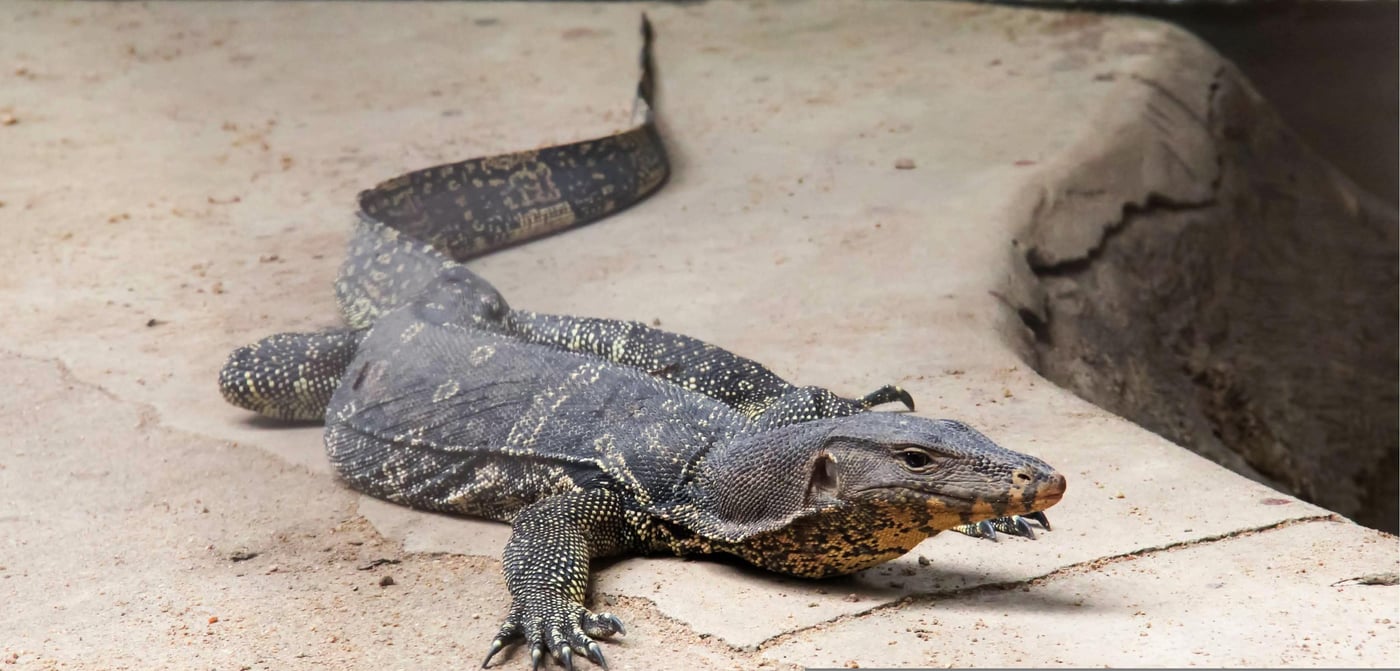
Monitor Lizards and Indian Pythons: Among the largest reptiles in Sariska are Bengal monitors. These slow-moving yet powerful creatures can be seen basking in the sun on rocky outcrops. The park is also home to Indian pythons, which are non-venomous but capable of preying on large mammals and birds.
Cobra, Russell’s Viper, and Saw-Scaled Viper: Sariska’s reptilian diversity extends to venomous snakes, including the Indian cobra, Russell’s viper, and saw-scaled viper. These snakes play a significant role in the ecosystem by controlling rodent populations.
Stay Suggestion: Utsav Camp Sariska
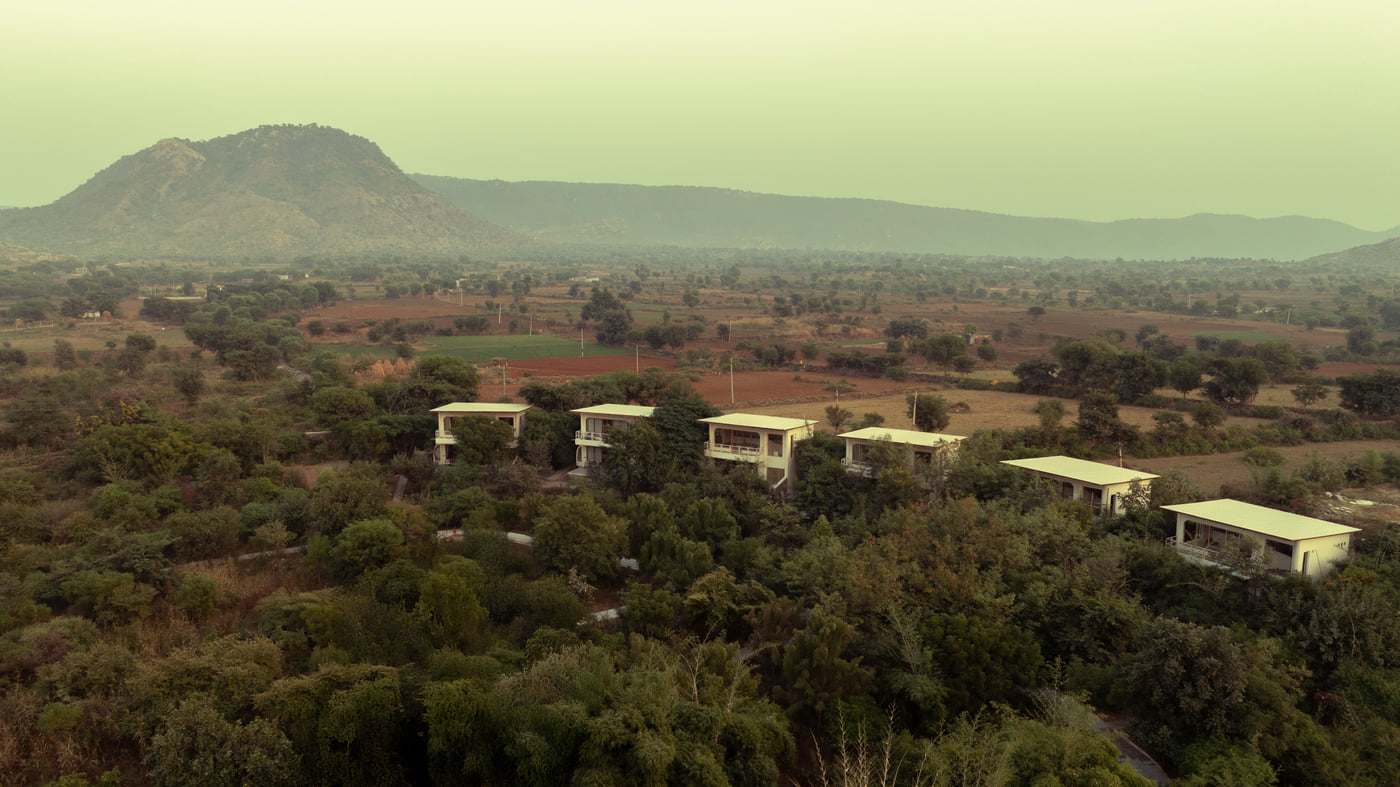
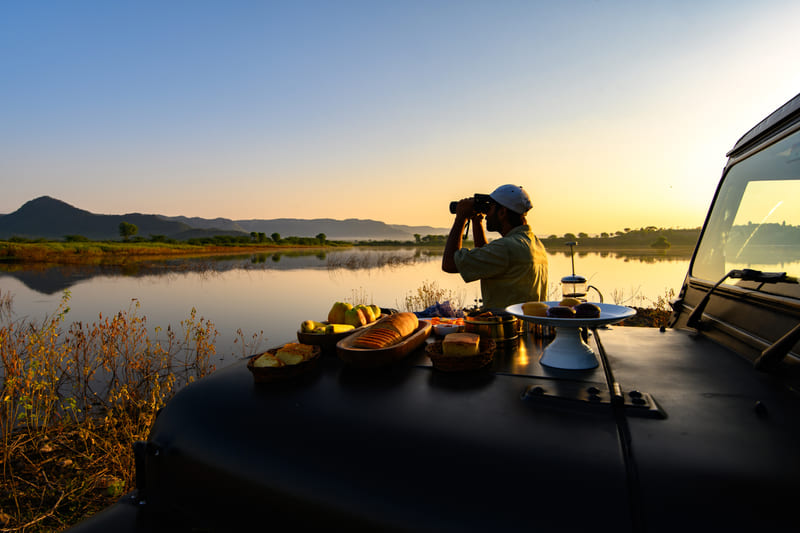
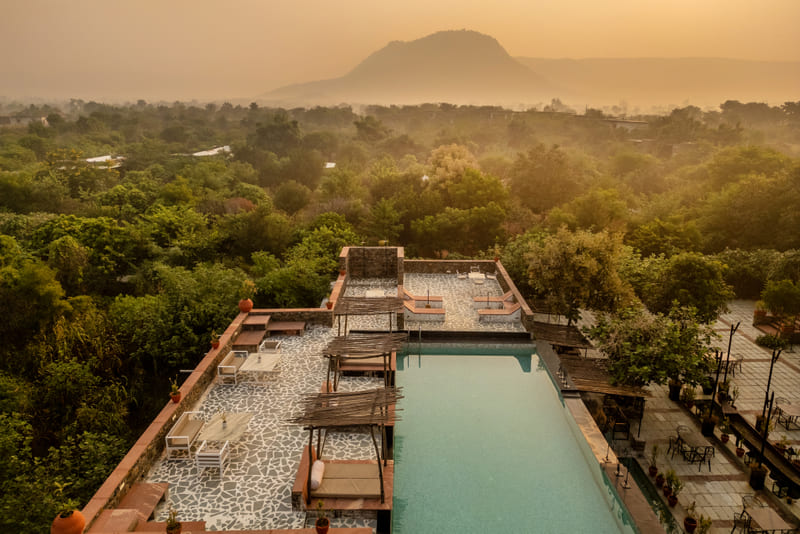
For an immersive wildlife experience, a stay at Utsav Camp Sariska is highly recommended. This eco-friendly retreat offers sustainable accommodations amidst nature, providing guests with comfort and adventure. Whether you want a luxurious forest stay, guided nature walks, or outdoor dining under the stars, Utsav Camp Sariska ensures a memorable visit to the national park.
Visiting Sariska National Park offers an unforgettable experience. It showcases the captivating wildlife in Rajasthan with breathtaking sightings and serene landscapes. Whether you’re hoping to catch a glimpse of a Royal Bengal Tiger, witness the flight of a serpent eagle, or explore the rocky terrain home to leopards and jackals, Sariska is a must-visit for nature lovers. Combine your adventure with a stay at Utsav Camp Sariska to enhance your journey into the wild while enjoying eco-conscious luxury.