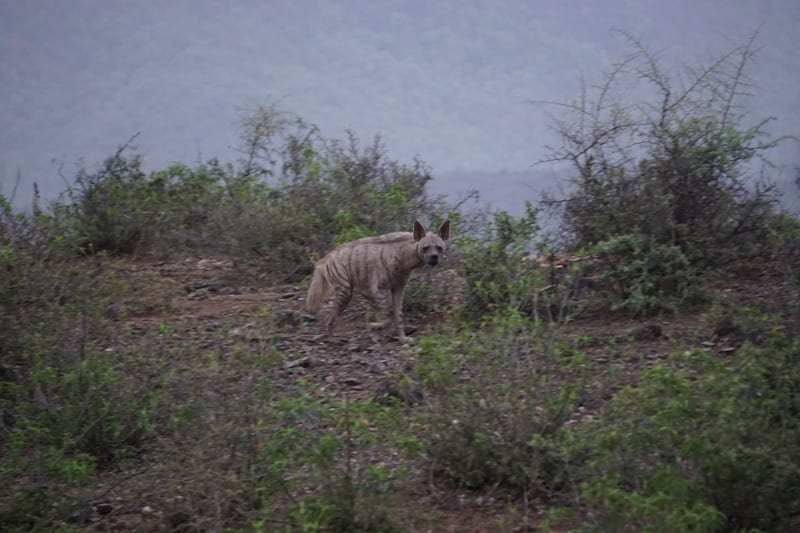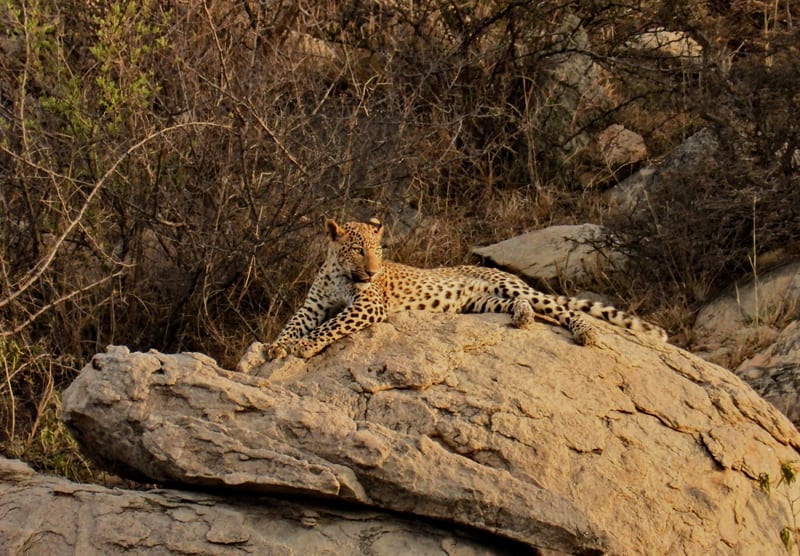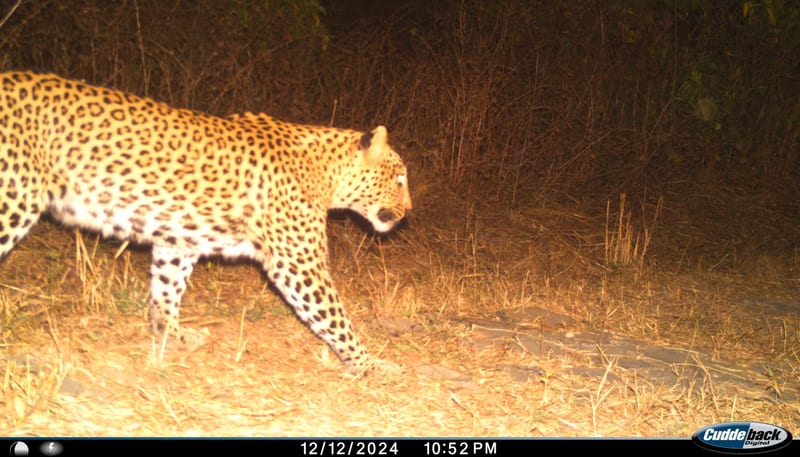

Rajasthan, known for its forts, palaces, and vibrant culture, is also a land of diverse natural wonders. From the rocky Aravalli hills to sweeping desert plains, the state is home to unique ecosystems that host remarkable wildlife. In recent years, eco-tourism in Rajasthan has gained momentum, offering travellers a chance to experience its natural beauty while preserving it for future generations. This form of travel is not just about visiting scenic locations; it’s about contributing to conservation, respecting local communities, and leaving a minimal footprint.
Understanding Rajasthan’s 2021 Eco-tourism Policy
The Rajasthan eco-tourism policy was introduced in July 2021 as a significant step towards sustainable travel. An update of the earlier 2010 framework, it focuses on balancing tourism growth with environmental protection and community involvement. At its core, the policy highlights community ownership, environmental education, low-impact activities, & authentic experiences. Permitted activities under this policy include stargazing events, forest trails, educational tours, and safaris that promote conservation learning. By setting clear guidelines, the state ensures that tourism does not compromise the very landscapes it seeks to showcase.
Exploring the Top Eco-tourism Sites in Rajasthan
Rajasthan boasts a wide variety of destinations that perfectly align with eco-tourism principles. Here are some must-visit eco-tourism sites in Rajasthan:
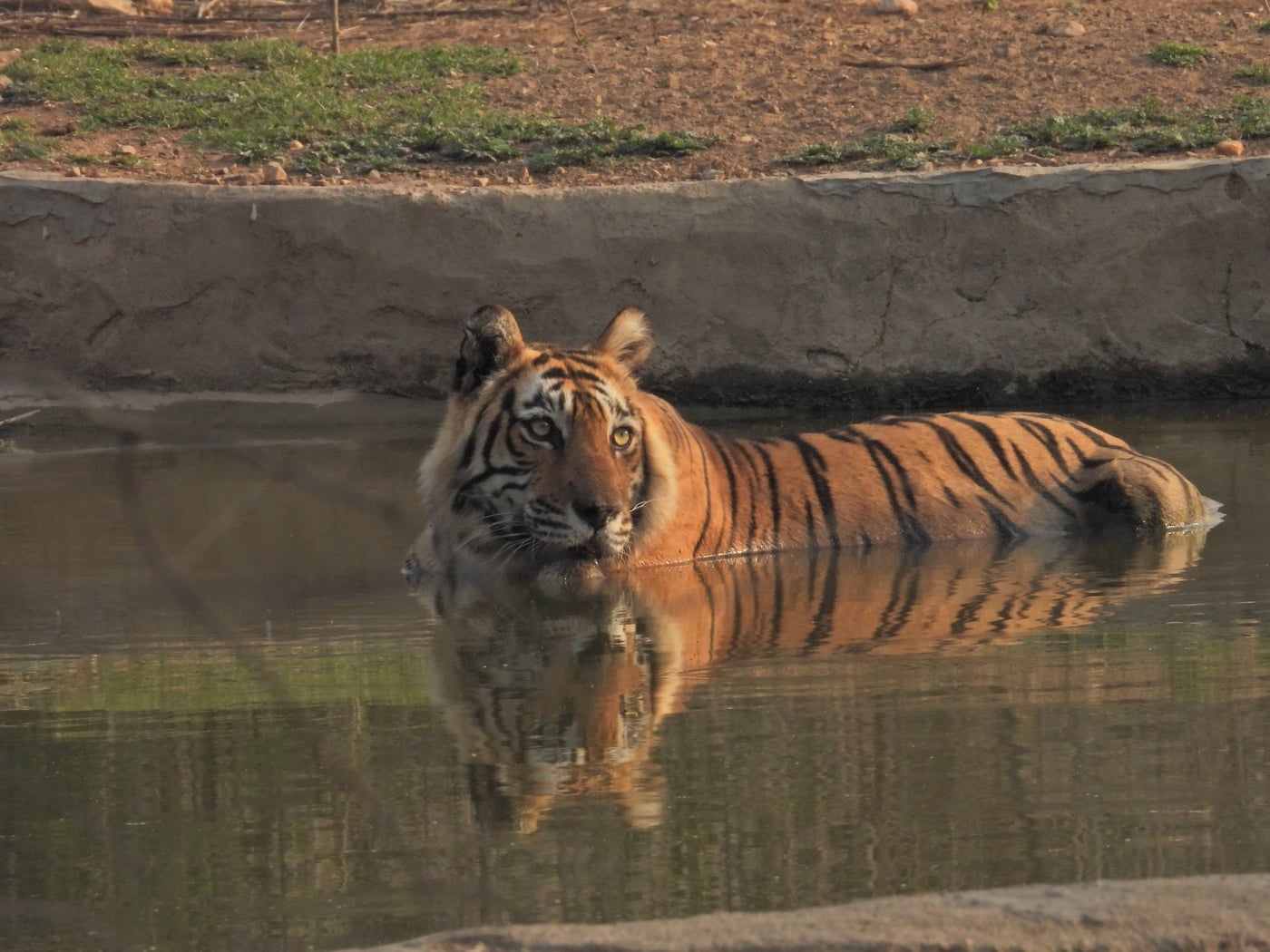
- Sariska Tiger Reserve, Alwar: Covering about 1,213 sq. km., Sariska is home to tigers, leopards, hyenas, and 470+ bird species. Its thriving ecosystem makes it a key player in India’s tiger conservation story. Located close to Utsav Camp Sariska, it offers guests an unparalleled opportunity to experience wildlife up close while staying in sustainable accommodations.
- Nahargarh Wildlife Sanctuary, Jaipur: Spanning around 52 sq. km., this sanctuary serves as a vital green corridor for wildlife movement. It shelters large mammals and more than 285 species of birds, making it a favourite for birdwatchers.
- Jhalana–Amagarh Leopard Reserve, Jaipur: Rajasthan’s first dedicated leopard reserve, established in 2017 and expanded in 2023, covers nearly 35 sq. km. It offers guided safaris and a unique urban wildlife experience.


- Tal Chhapar Sanctuary, Churu: Known for its rare grassland-saline ecosystem, this sanctuary is home to graceful blackbucks and migratory birds, making it ideal for photographers and nature lovers.
- Menar Wetland, Udaipur: Added to the Ramsar list in June 2025, this wetland consists of seasonal lakes like Brahma Talab and Dhand Talab. It’s a haven for migratory birds and a vital conservation site.
Utsav Camp Sariska: Where Comfort Meets Conservation
Utsav Camp Sariska embodies the essence of eco-friendly travel. Located close to Sariska’s Gate 2 (Tehla), it provides an ideal base for exploring the reserve while staying committed to sustainable practices. The camp features thoughtfully designed accommodations such as the Forest Villas and Stone Cabins, built with natural materials that blend seamlessly into the surroundings. Guests can engage in meaningful experiences like naturalist-led hikes, boulder history trails, and safaris to Sariska National Park. For stargazing enthusiasts, the camp offers breathtaking views of Rajasthan’s night sky. Its restaurant serves locally sourced cuisine, supporting nearby communities and reducing environmental impact.

A Sustainable Future for Rajasthan’s Wild Spaces
Eco-tourism is more than a trend; it’s a movement that ensures Rajasthan’s landscapes and wildlife remain protected for generations to come. From spotting tigers at Sariska to birdwatching in Menar, every responsible journey strengthens the bond between people and nature.
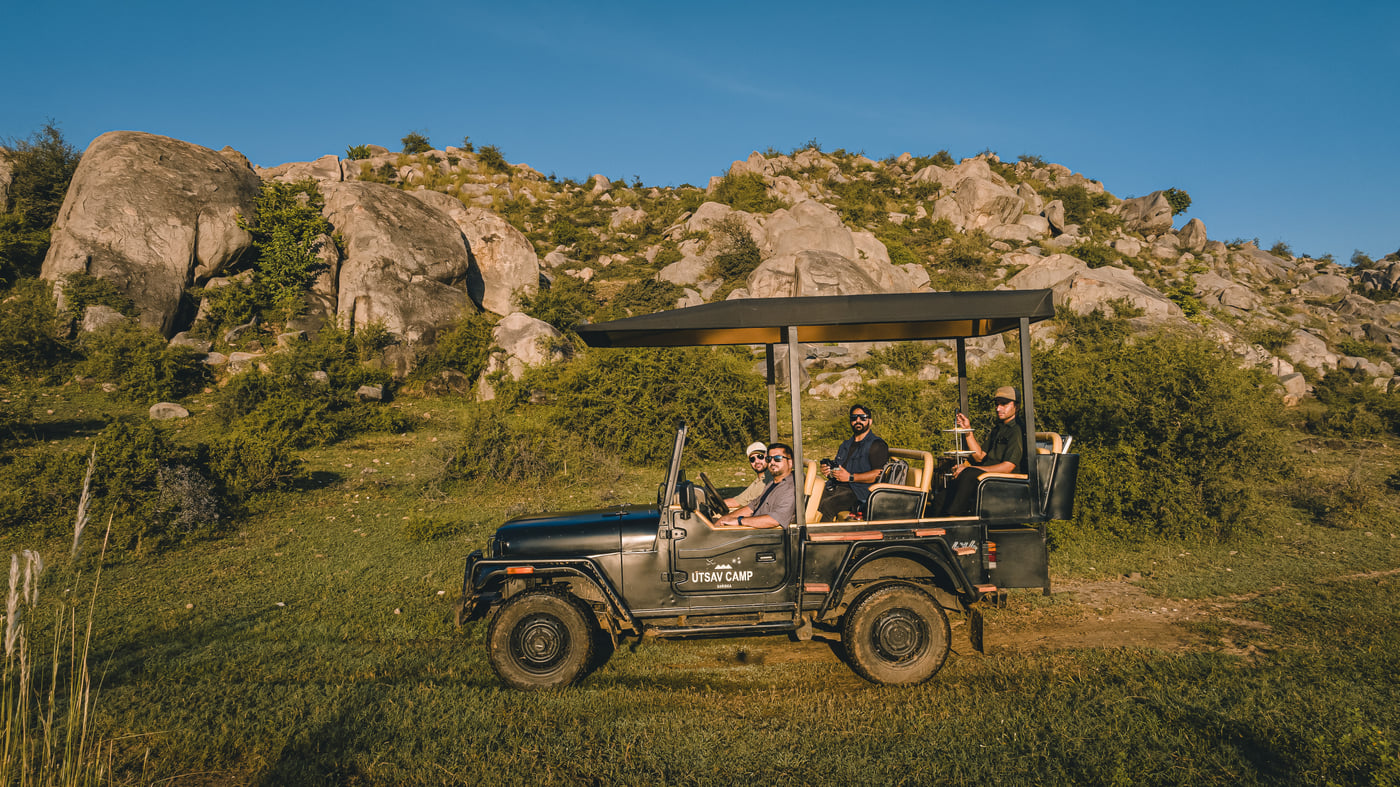
For those seeking an authentic, low-impact adventure, Rajasthan offers endless possibilities. And with Utsav Camp Sariska ’s experiences, travellers can enjoy comfort and conservation in perfect harmony. Discover more through our stories and updates on Instagram and YouTube.