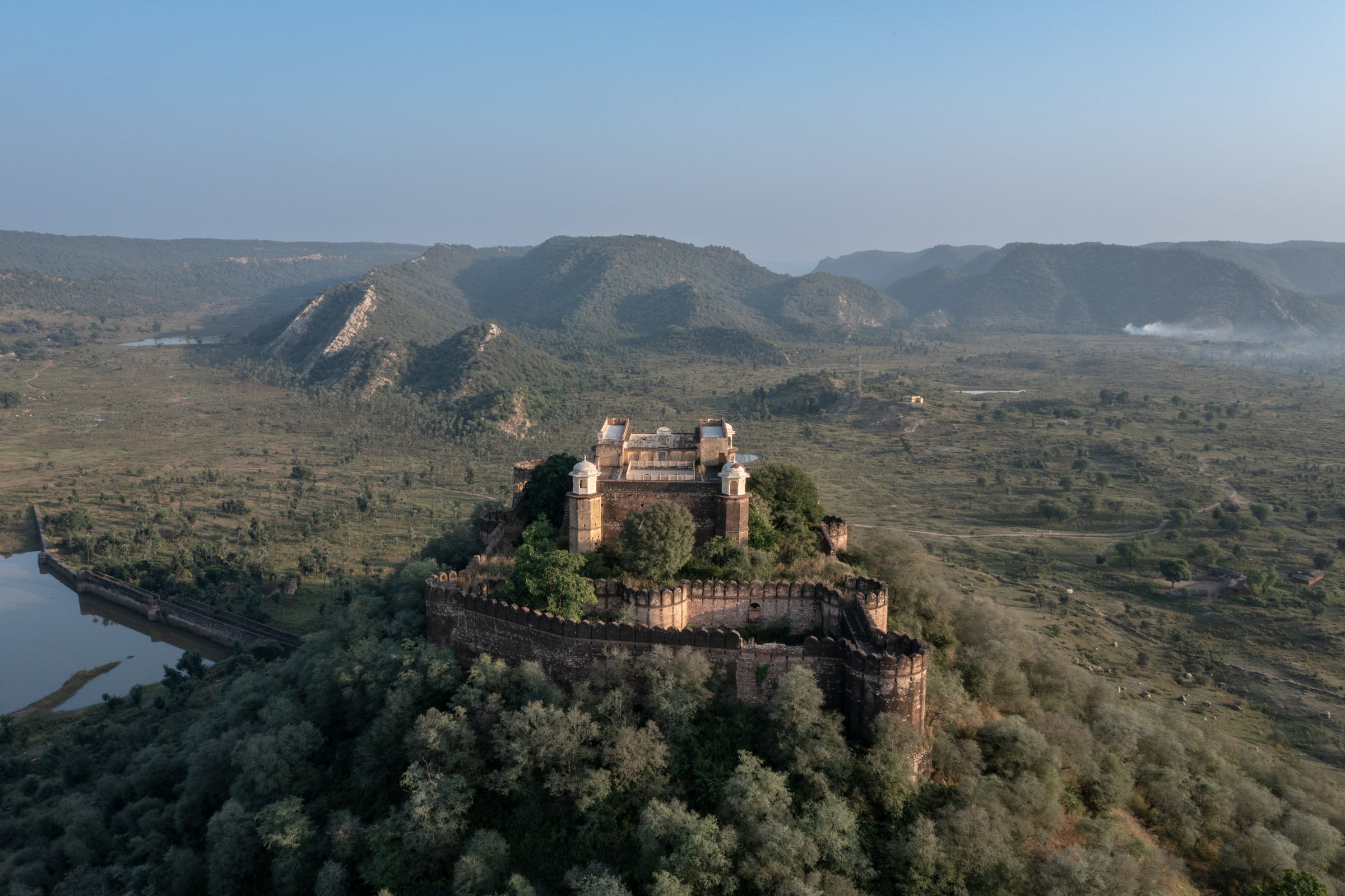
Sariska carries a human history considerably older than its identity as a tiger reserve, one written into stone, myth, and empire long before conservation gave this land its current boundaries.
Before Sariska carried any of its later history, its boulders already carried marks placed there by human hands. Around the villages near Tehla, on the reserve’s Rajgarh side, are cupules, small cup-shaped depressions pounded into granite and quartz boulders, among the earliest known forms of art anywhere in the world.
A 2022 field study by rock art researcher Meenakshi Dubey-Pathak, published by the Bradshaw Foundation, documented these markings in detail, on rock that predates the Aravallis themselves, its field notes record local assistance from Sariska naturalist Luv Shekhawat in reaching the sites.
The Mahabharata
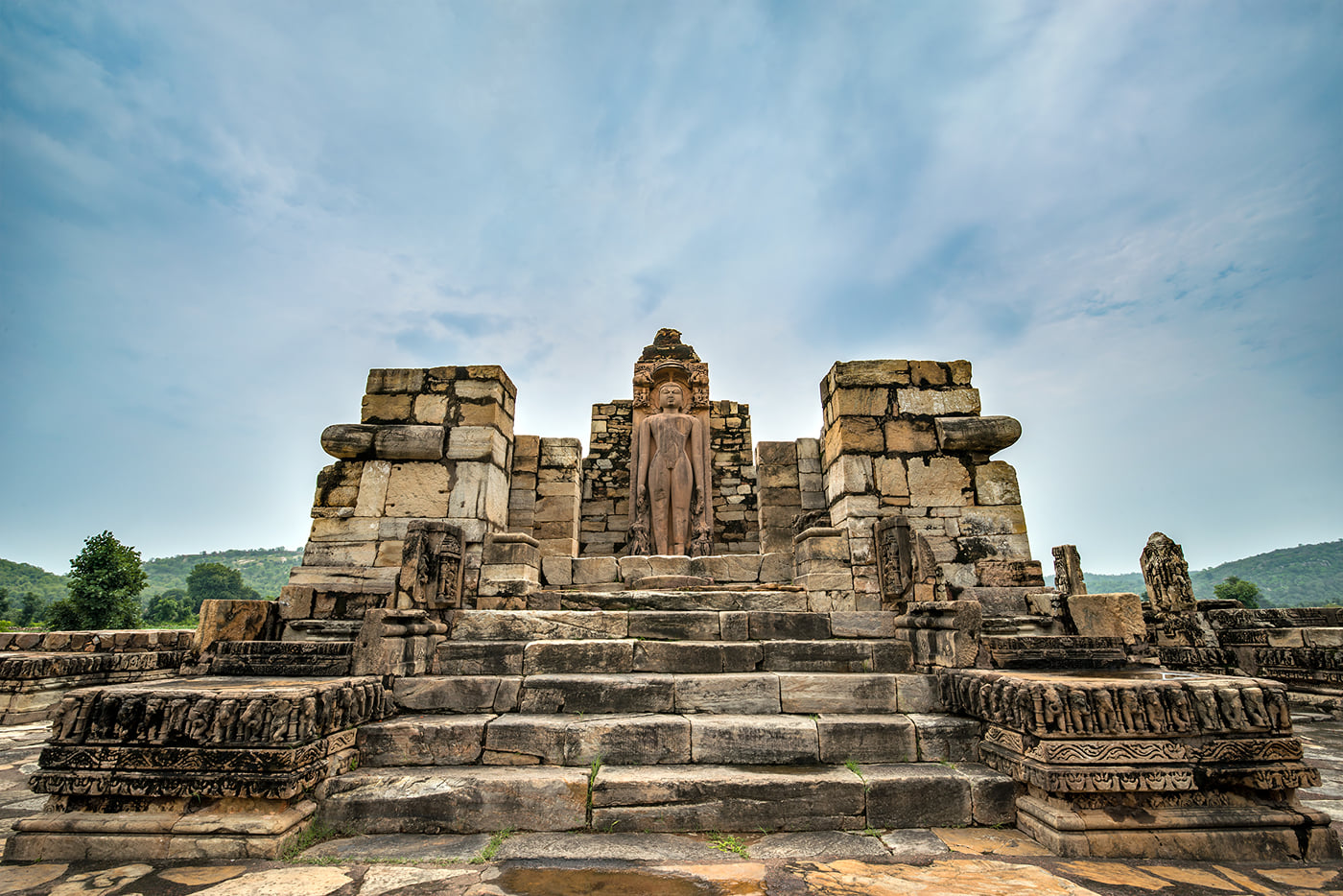
Alwar’s recorded history reaches back to at least 1500 BC, when it was known as Viratnagar, capital of the Matsya Kingdom described in the Mahabharata.
The cupules are older, but this is where the landscape first enters the written record, carried in an epic rather than a chronicle, centuries before any of the forts now standing inside the reserve.
Rajputs & Mughals
As Rajput power consolidated across the region, the Kachhwaha rulers of Alwar claimed these forests as their hunting reserve rather than opening them to settlement or agriculture. That control held through the Mughal era and beyond, a continuity that did more to protect Sariska’s ecology than almost anything that followed, keeping the forest largely intact through periods when much of Rajasthan’s wilderness was being cleared elsewhere.
As princely hunting estates across India were absorbed into the new republic’s forest system, Sariska followed the same arc: declared a wildlife sanctuary in 1955, brought under Project Tiger in 1978, and formally established as a national park in 1982.
Kankwari
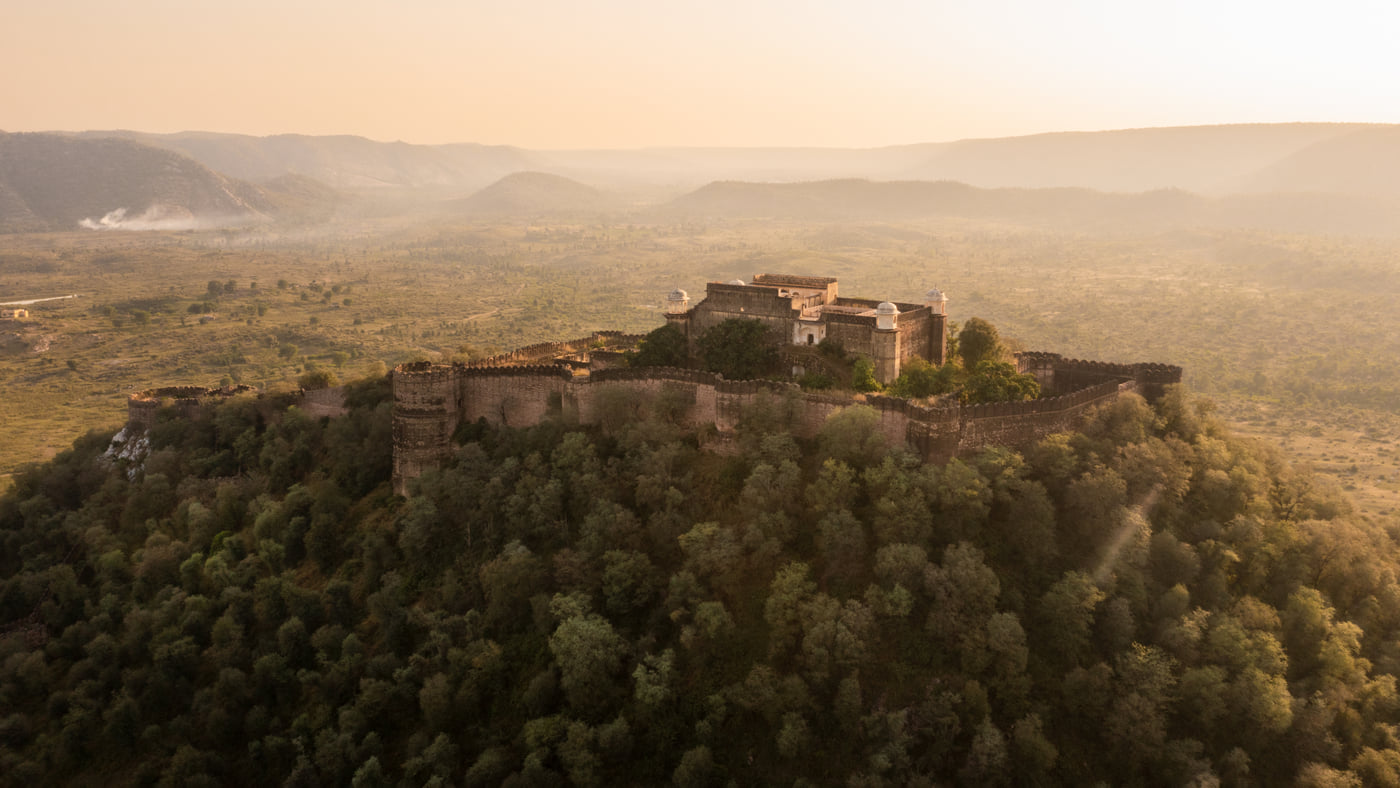
Inside the reserve, half reclaimed by forest, stands Kankwari Fort, remembered as the place where the Mughal emperor Aurangzeb imprisoned his own brother, Dara Shikoh, during the succession struggle that followed Shah Jahan’s illness.
It is a piece of imperial history now visited from the back of a safari jeep, a fort that once held an empire’s fate quietly standing inside a wildlife corridor.
_ecbc8f8a.png)