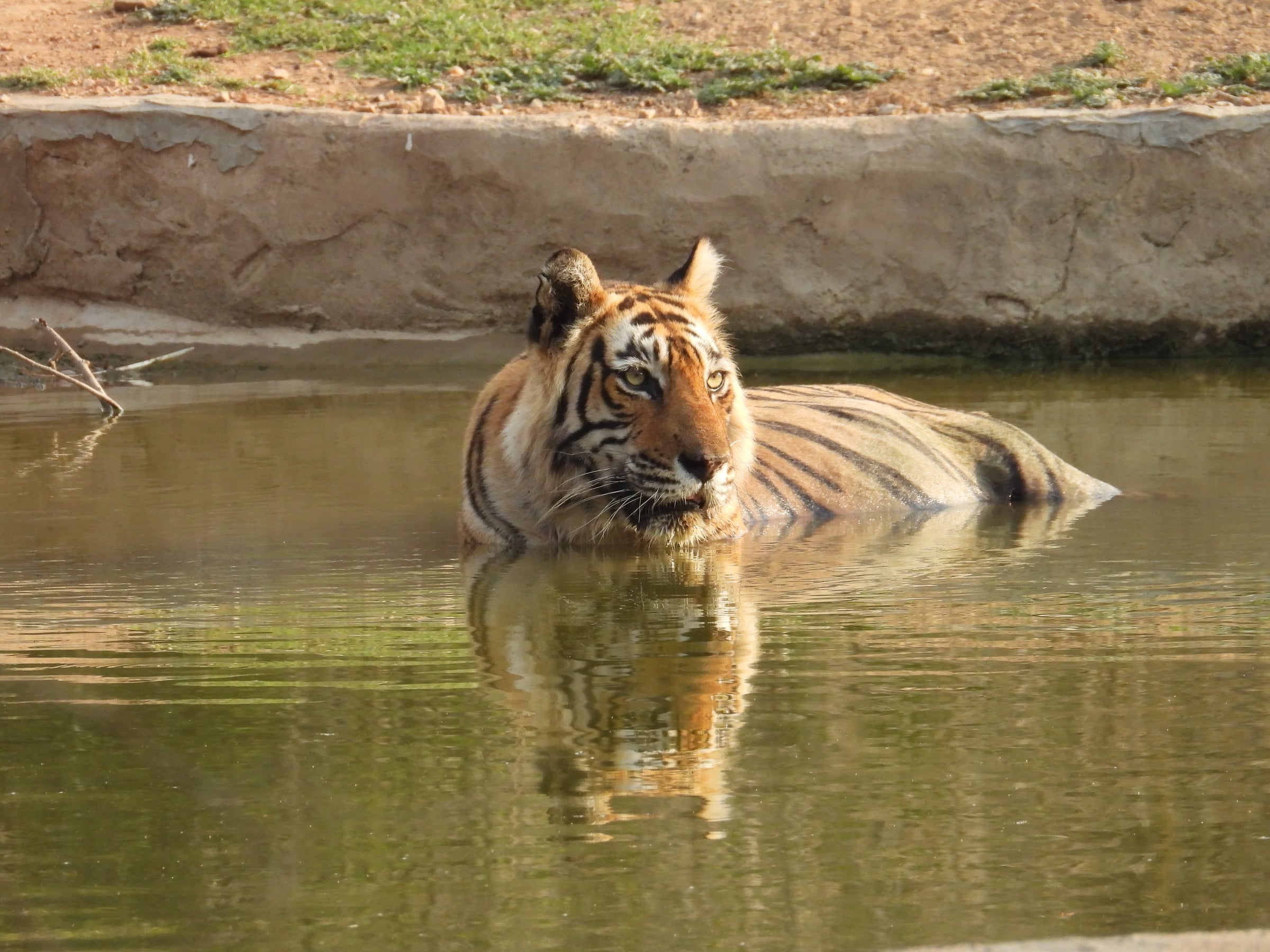
Few conservation stories anywhere in the world are as literal as Sariska’s. This is a forest that lost every one of its tigers, then built the population back from nothing through the Sariska tiger reintroduction.
By 2004, rangers and researchers suspected what a 2005 census would confirm: Sariska’s tiger population had been wiped out entirely, hunted and poached to local extinction inside a reserve created specifically to protect them.
For a forest with centuries of history behind it, the loss was not only ecological. It stripped the reserve of the one animal its entire protected status existed around.
28 June 2008
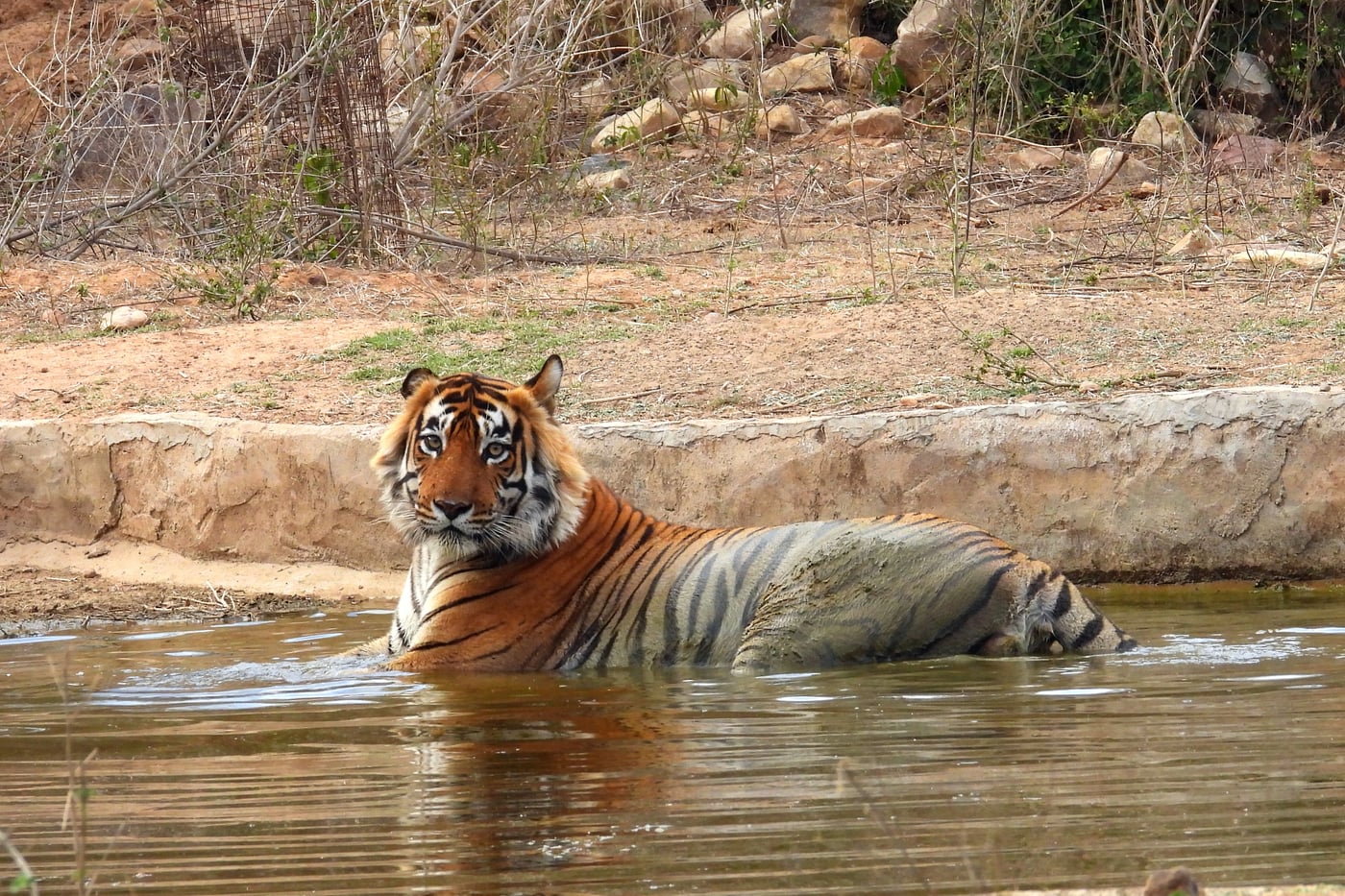
On 28 June 2008, a male tiger named ST1 was flown by helicopter from Ranthambore into an empty Sariska, the first tiger relocation of its kind attempted anywhere in the world. It was untested and closely watched, a genuine experiment in whether a lost tiger population could be deliberately rebuilt rather than simply written off.
More tigers followed over the next few years, and in 2012, ST2 gave birth to the first cubs born wild in Sariska in over a decade, the moment conservationists later pointed to as proof the reintroduction had actually taken.
Where It Stands
That single litter marked a turning point. The population has climbed every year since, and the Forest Department’s most recent census recorded its highest count yet, up from zero in under 2 decades. Every tiger in that count descends from ST1 and the handful of tigers relocated alongside it.
Researchers now describe Sariska’s recovery not as luck but as the result of sustained, deliberate work across nearly 2 decades, work that continues quietly every season the population keeps growing.
_ecbc8f8a.png)