_ecbc8f8a.png)
Sariska Tiger Reserve
A hunting ground for the rulers of Alwar, a sanctuary from 1955, under Project Tiger since 1978, and a national park since 1982.
Know the Reserve More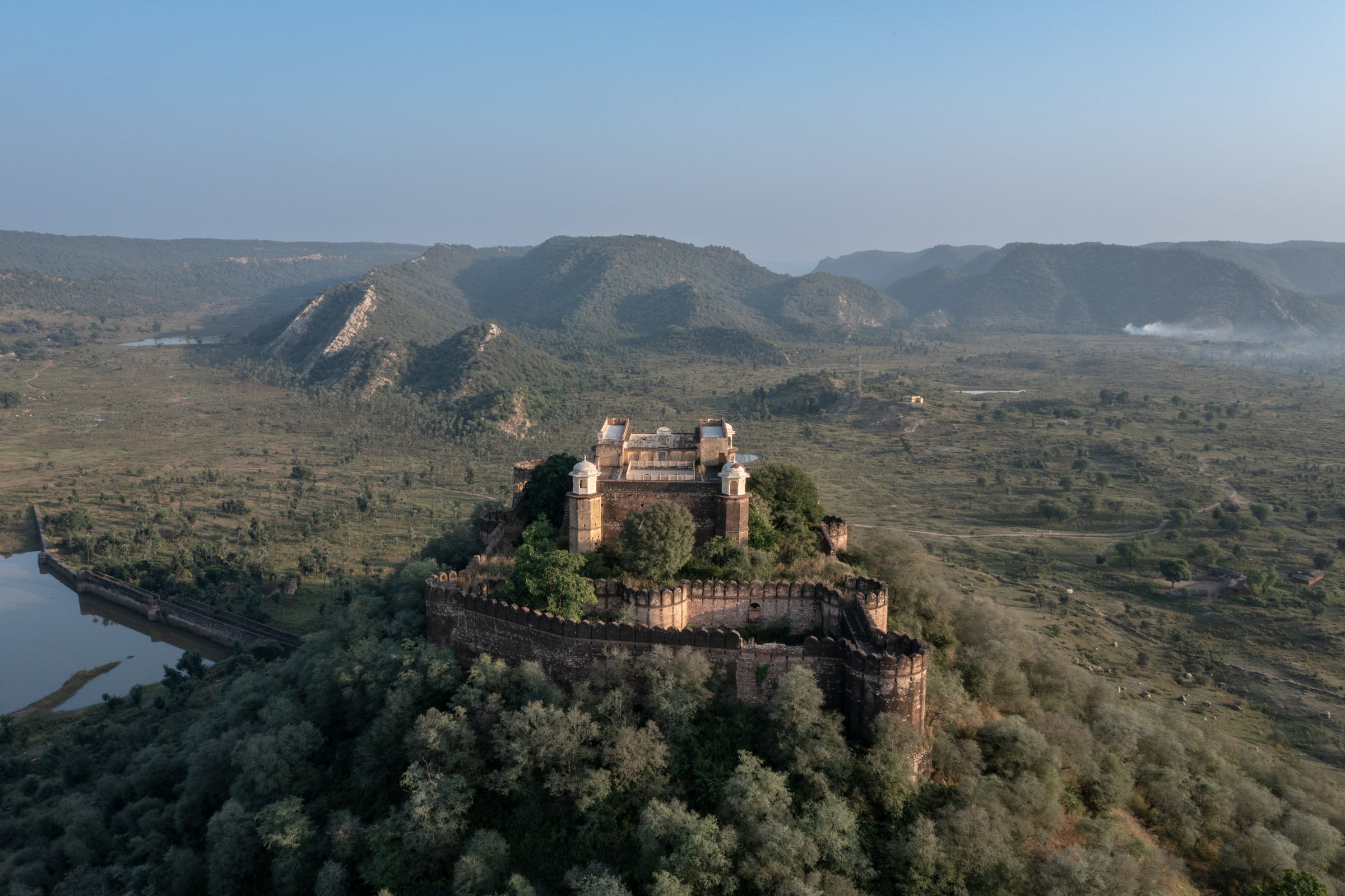
There is a point along the Aravalli hills where the road stops behaving like a highway and starts behaving like a forest. Sariska is that point.
Sariska is not a stop on the way to somewhere else. It is the threshold itself, the gateway to the Indian wilderness, sitting inside the Golden Triangle formed by Delhi, Jaipur, and Agra, and closer to both capital cities than almost any other tiger reserve in the country.
What follows below is the whole of it: the reserve and its gates, the deep time in its hills, its forests, and seasons, its wildlife, and the history written into this land long before the forts.
Where is Sariska?The Destination
A hunting ground for the rulers of Alwar, a sanctuary from 1955, under Project Tiger since 1978, and a national park since 1982.
Know the Reserve MoreA tiger population that has climbed every year since 2008, the highest leopard density of any tiger reserve in India, and 470+ recorded bird species.
Meet the WildOne of the oldest mountain systems on Earth, older than the Himalayas, with granite and quartz boulders older still.
Walk Deep TimeA forest that lost every one of its tigers, then built the population back from nothing, from ST1’s arrival in 2008 to the highest count yet.
From Zero to NowPrehistoric cupules, the Mahabharata’s Viratnagar, the hunting grounds of Alwar, and a fort that held an emperor’s brother.
Walk the RuinsThe untouched side of Sariska: the quieter of the 2 gates, boulder country, a lost temple town, and 3 waters around a village.
Explore Tehla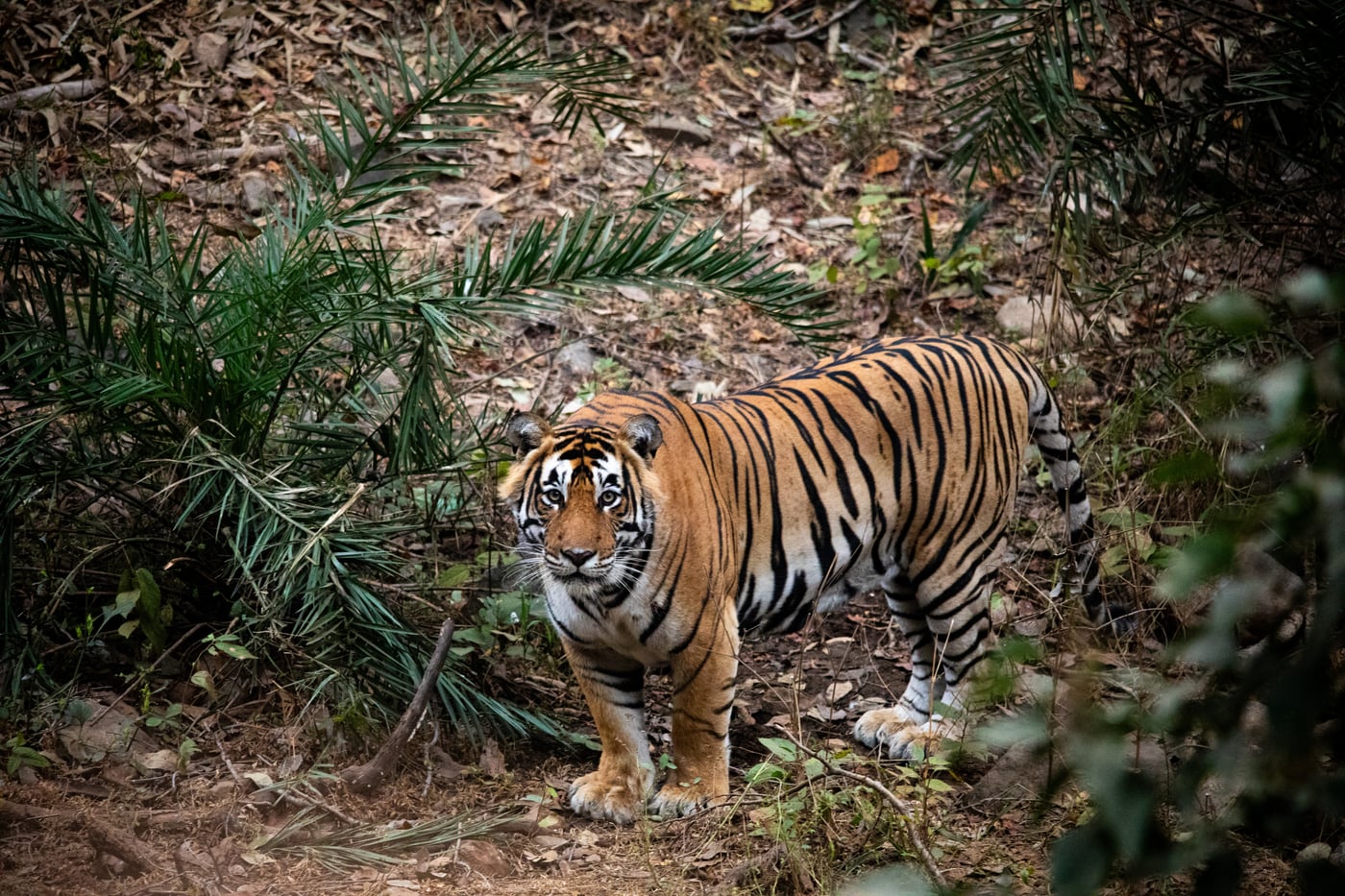
The Golden Triangle
Sariska was declared a wildlife sanctuary in 1955, brought under Project Tiger in 1978, and given national park status in 1982, formalising protection for a forest that had already served as a hunting ground for the rulers of Alwar for generations before that.
What sets it apart from India’s other tiger reserves is proximity. Sitting ~195 to 220 km from Delhi and ~107 to 116 km from Jaipur, Sariska is the tiger reserve most easily reached from within the Golden Triangle circuit, a detour of a few hours rather than a journey of its own.
Deep Time
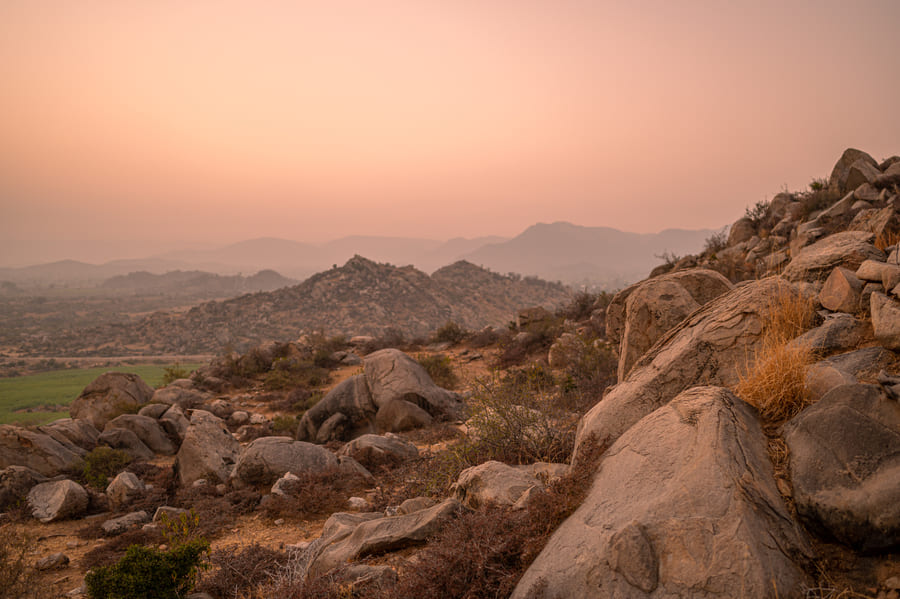
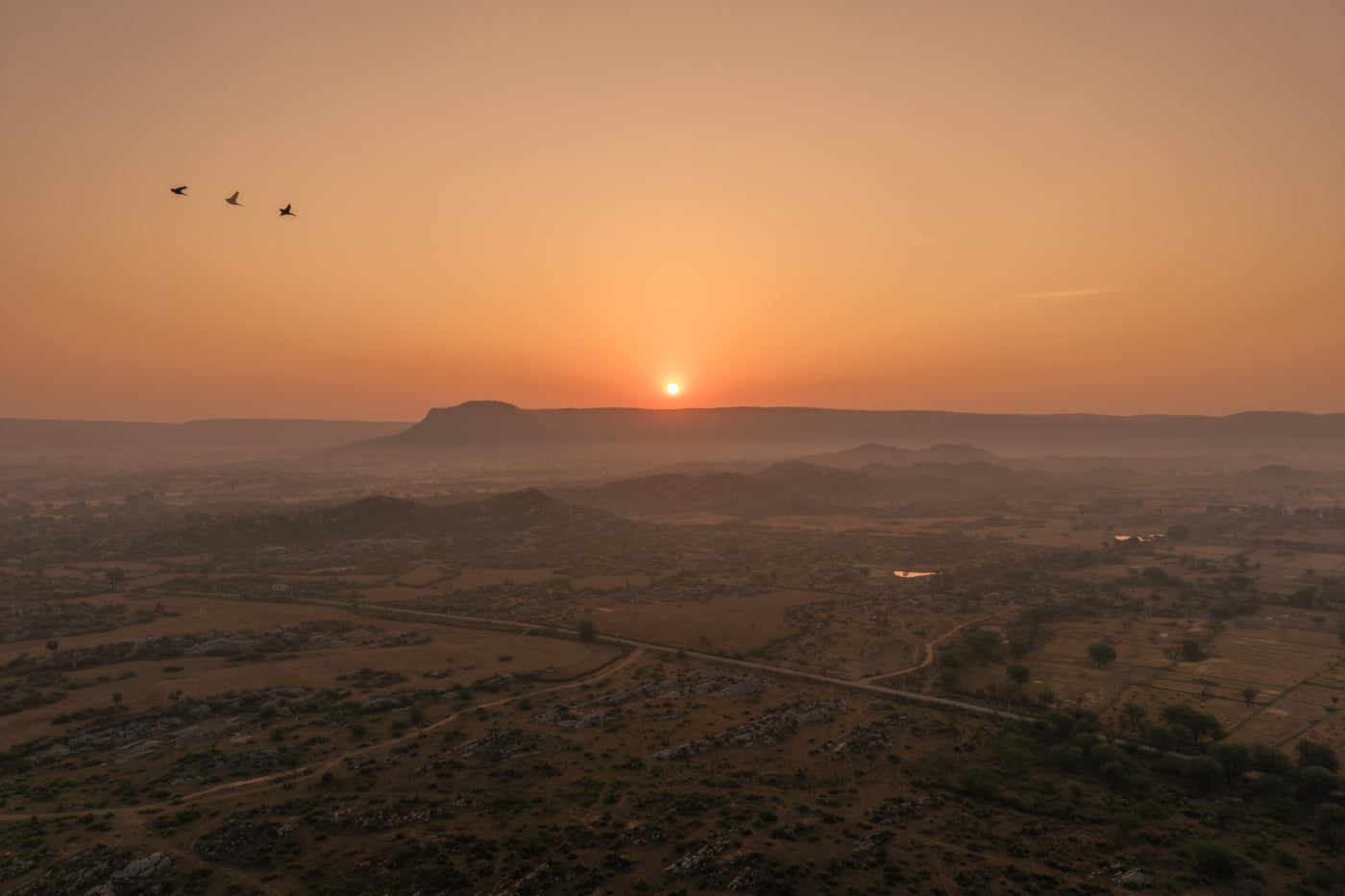
The Aravalli range that shelters Sariska is among the oldest mountain systems on Earth, far older than the Himalayas.
But the hills are only part of the story. Scattered through them are boulders and outcrops of granite and quartz, rock formed from ancient volcanic and igneous activity, in places even older than the Aravallis themselves.
Sariska’s wilderness did not settle onto ordinary ground. It settled onto some of the oldest rock in India, and one of the oldest continuously living ecosystems anywhere on the planet.
The Forest
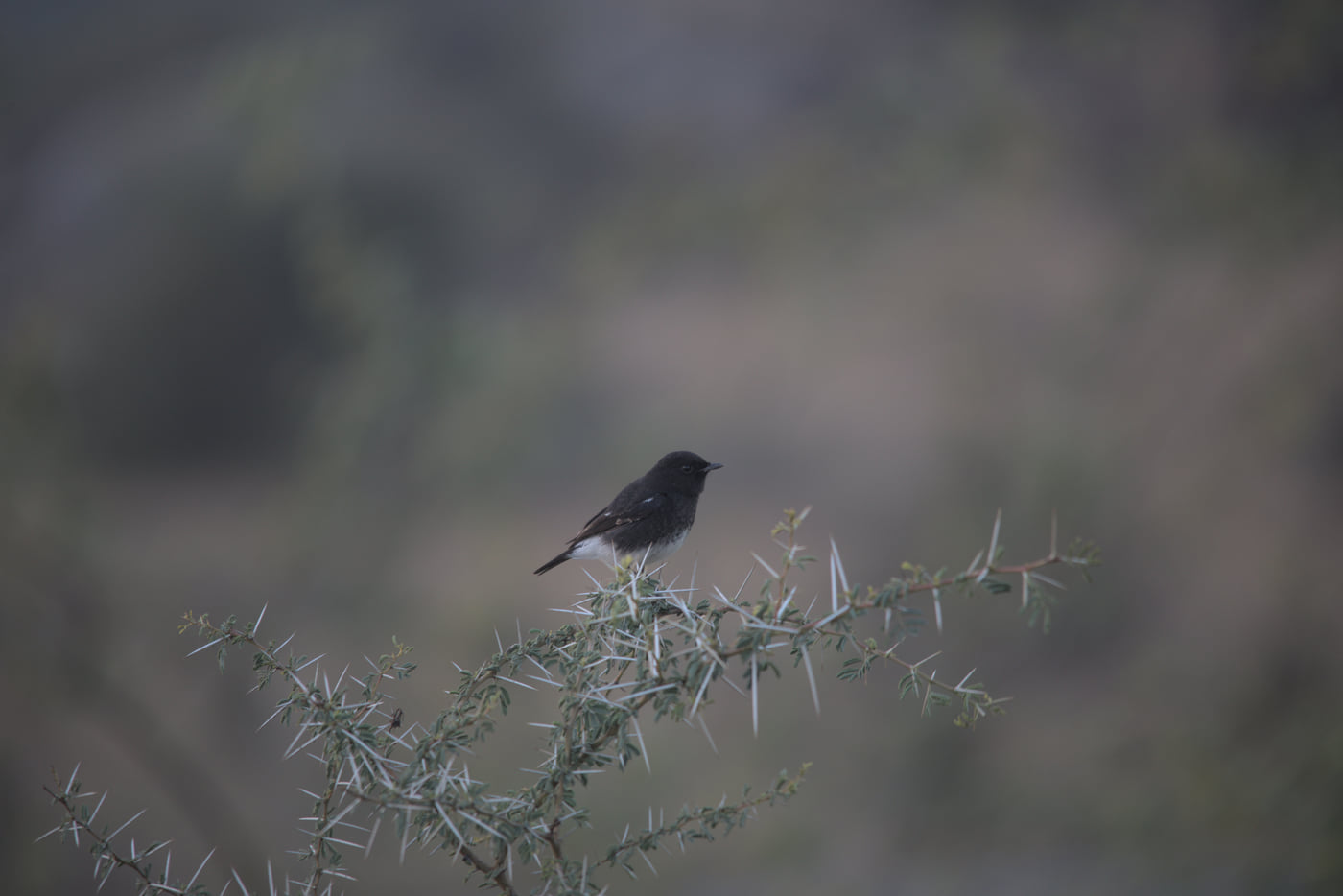
Sariska is one of the finest dry deciduous forests left standing anywhere in the world, and it changes character with the seasons in a way few reserves do. Dhok trees, which cover roughly 60% of the forest, shed their leaves through the dry months and turn the forest floor the colour of old parchment, opening long sightlines across the hills.
Come monsoon, the same terrain turns dense and green within weeks. Visiting Sariska twice can feel like visiting 2 different forests.
Seasons of Sariska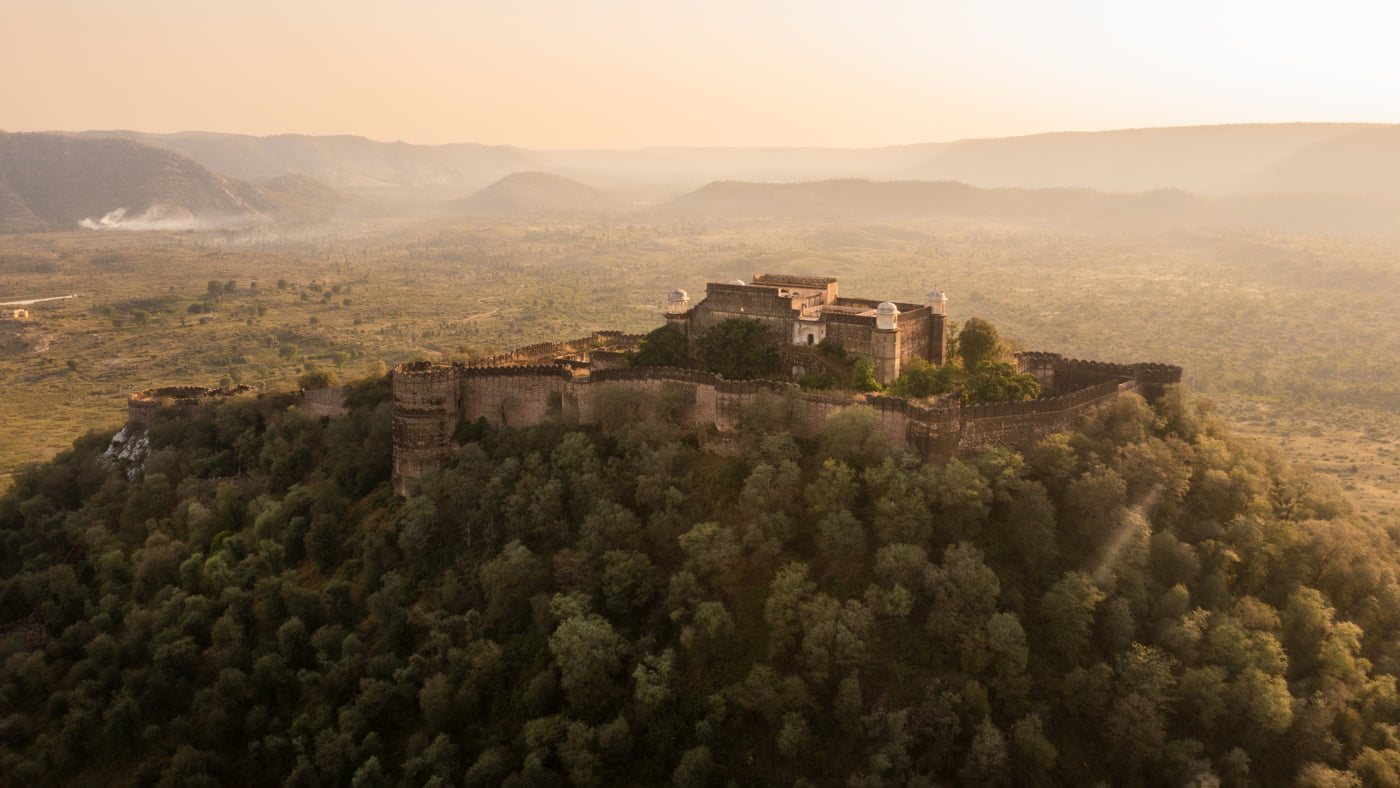
Before the Forts
Long before Sariska had a conservation boundary, this land already carried history in layers most visitors never hear about. On the boulders around Tehla, on the reserve’s Rajgarh side, are cupules, cup-shaped marks pounded into rock by human hands, among the earliest known forms of art anywhere in the world.
A 2022 field study by rock art researcher Meenakshi Dubey-Pathak, published by the Bradshaw Foundation, documented these markings in detail across the villages near Tehla, on granite and quartz boulders that predate the Aravallis. The paper’s field notes record local assistance from Sariska naturalist Luv Shekhawat in reaching the sites.
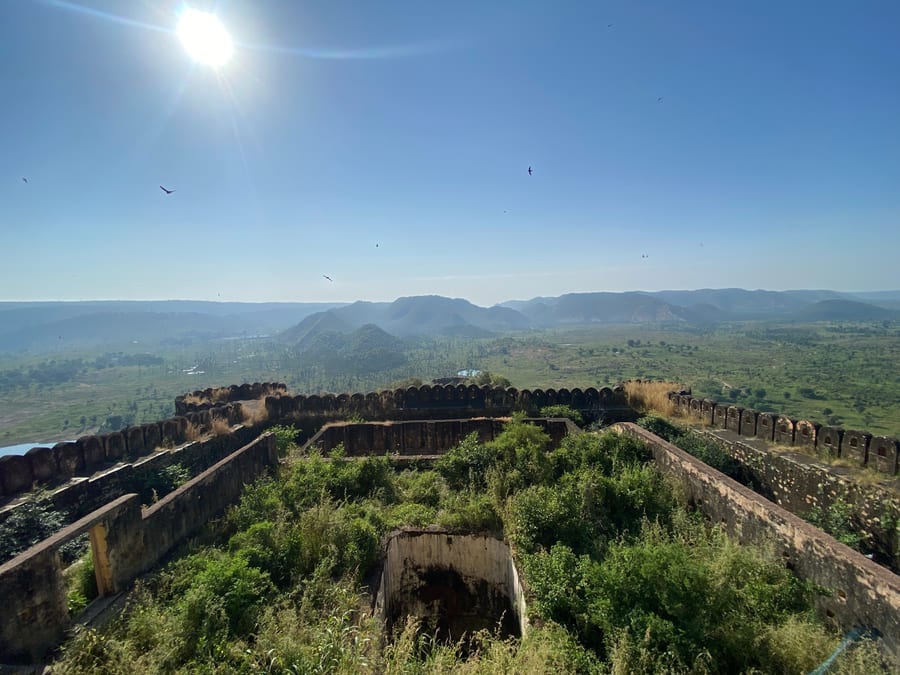
Alwar itself has a documented history reaching back to at least 1500 BC, when it was known as Viratnagar, capital of the Matsya Kingdom described in the Mahabharata. Centuries later, as Rajput power consolidated across the region, the Kachhwaha rulers of Alwar claimed these forests as a hunting reserve, a use that, incidentally, kept much of the terrain undisturbed through the Mughal era and beyond. Mughal history passed through here too. Kankwari Fort, deep inside the reserve, is remembered as the place where Aurangzeb imprisoned his brother Dara Shikoh during the succession struggle that followed Shah Jahan’s illness, a piece of imperial history now visited from a safari jeep rather than a princely court.
How the Reserve Opens Up
Sariska is entered through 2 main gates on the core area (Sariska Gate and Tehla Gate, ~80 km apart by road) along with 2 smaller buffer gates at Baraliwari and Bala Quila. Only a small fraction of the reserve, roughly 4.8% of the core habitat, is open to safaris at all, home to around 16 tigers within that tourism zone, a deliberate limit that keeps the rest of the forest undisturbed.
From October, once the reserve reopens after its monsoon closure, 5 interconnected safari routes become accessible, and either main gate can be used to explore them. Tiger territories cross both sides of the reserve, several resident tigers range between Sariska Gate and Tehla, so sighting odds are broadly comparable across the core area rather than concentrated at one entrance.
Wildlife by the Numbers
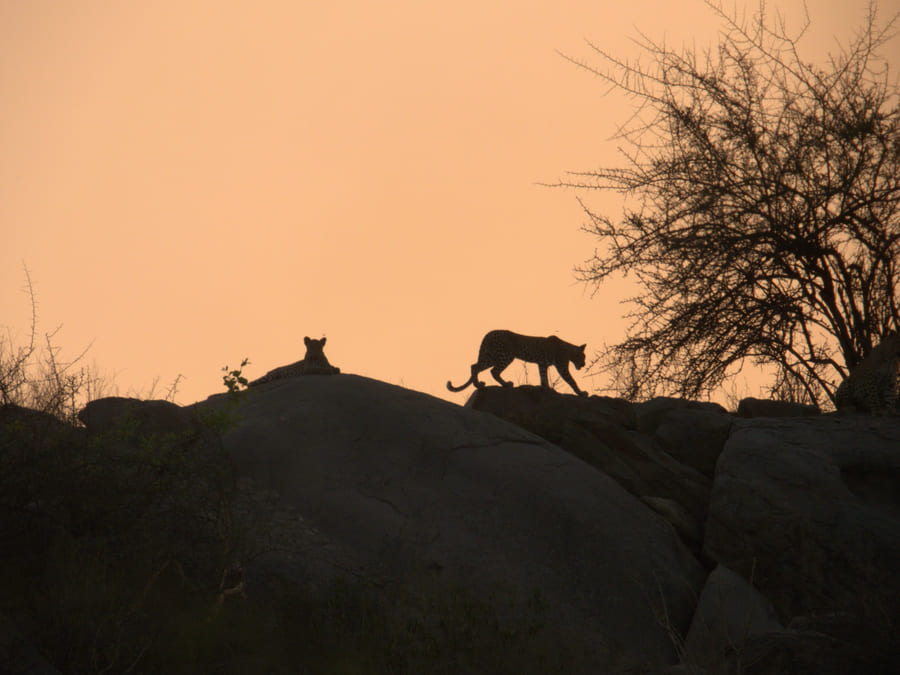
Sariska’s tiger population has grown every year since the reintroduction began, and the Forest Department’s most recent census recorded its highest count yet. Its leopard density is the highest of any tiger reserve in India, a government census putting the figure in the low hundreds and ahead of every other reserve measured.
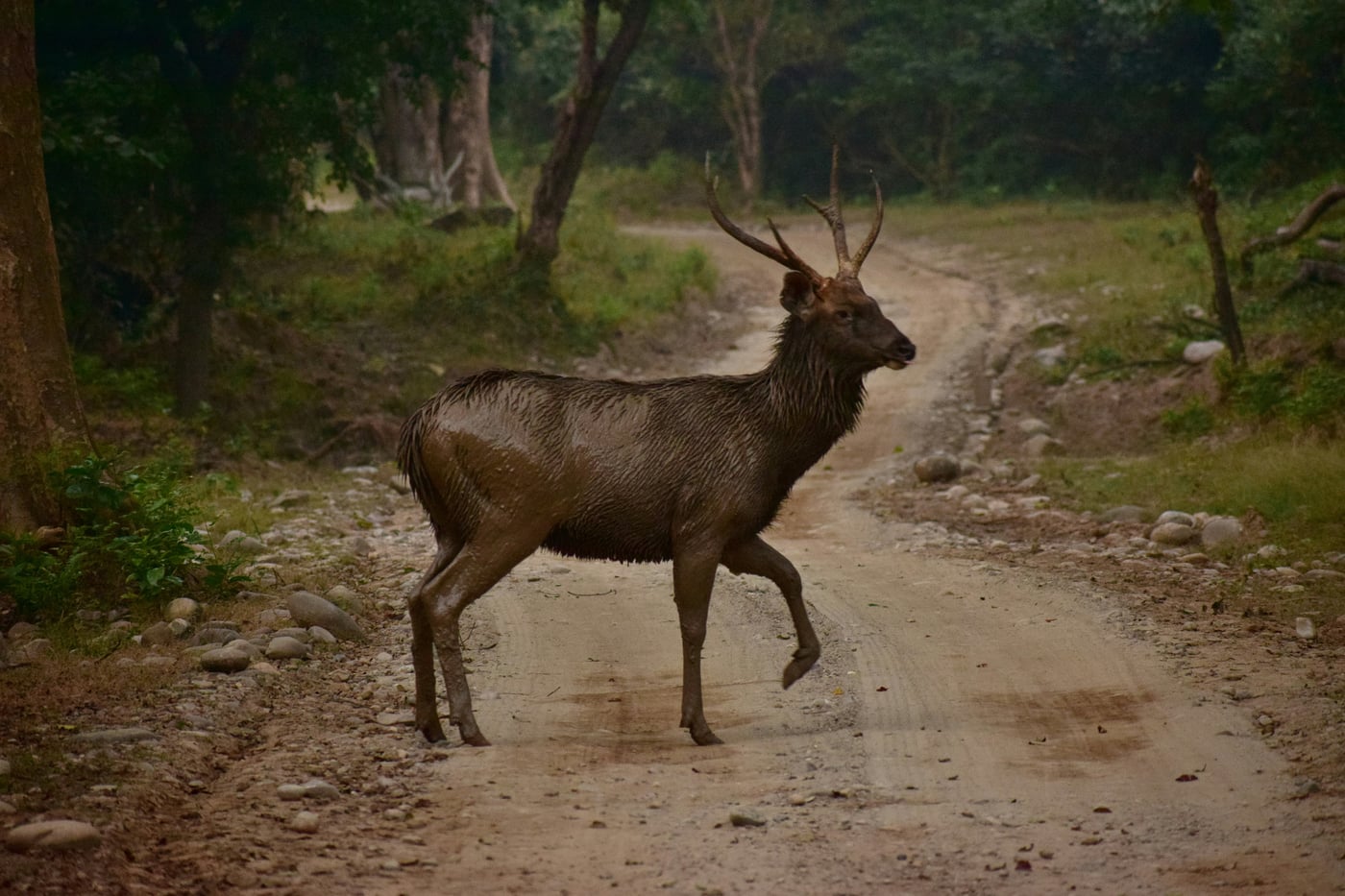
Bird surveys have logged 471 recorded species, and nilgai and sambar deer move through the reserve in some of the highest antelope densities found anywhere in the country, gathering at waterholes through the dry months.
More Than a Retreat
Utsav Camp Sariska sits on the Tehla side of the reserve, and its connection to this land runs deeper than hospitality. The camp operates the Sampat Wildlife Foundation, named for Luv Shekhawat’s grandfather, Sampat Singh Shekhawat.
Sampat Singh Shekhawat was one of the last forest officers trained under British administration, and his work helped lay the foundation for the Ranthambore, Bharatpur, and Sariska forest training schools.
The foundation carries that work forward through conservation research, environmental education, and support for the naturalists and communities around the reserve, making the camp less a retreat that happens to sit near a forest, and more a continuation of a family’s long involvement in protecting it.
A few useful things to know.
Sariska Tiger Reserve lies in the Aravalli hills of Alwar district, Rajasthan, inside the Golden Triangle formed by Delhi, Jaipur, and Agra. At ~195 to 220 km from Delhi and ~107 to 116 km from Jaipur, it is the tiger reserve most easily reached from within the Golden Triangle circuit.
Sariska was declared a wildlife sanctuary in 1955, brought under Project Tiger in 1978, and given national park status in 1982. Before that, the forest served as a hunting ground for the rulers of Alwar.
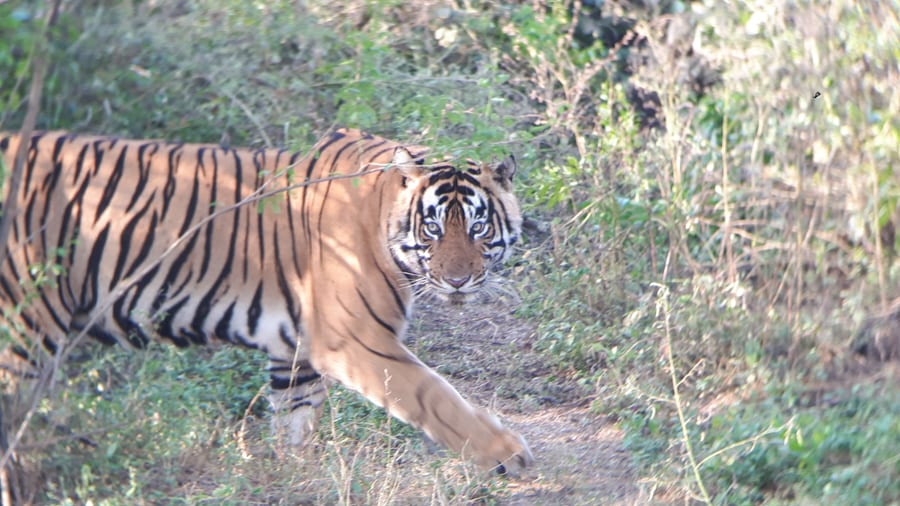
As of June 2026, Sariska Tiger Reserve is home to 56 tigers, 22 of them cubs. The reserve lost every one of its tigers by 2005, and the population has been rebuilt since the first tiger, ST1, was brought in from Ranthambore in 2008.
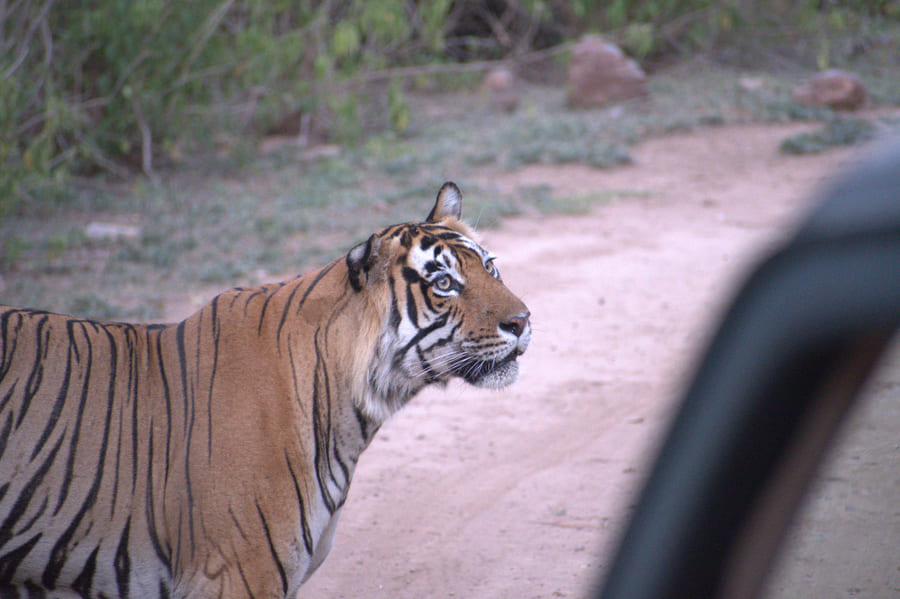
Sariska has the highest leopard density of any tiger reserve in India. Striped hyenas, sambar and spotted deer, nilgai, wild boar, langurs, and mongooses are also seen on safari, and bird surveys have recorded 470+ species.
Sariska has 2 main gates on the core area, Sariska Gate and Tehla Gate, ~80 km apart by road, along with 2 smaller buffer gates at Baraliwari and Bala Quila. From October, 5 interconnected safari routes open, and either main gate can be used to explore them.
Tehla Gate (Gate No. 2) is the closest, ~7 km or about 10 minutes from the camp. It is the quieter of the 2 main gates and admits only 13 vehicles at a time.
October to March brings pleasant weather and is the most comfortable time to visit. April to June is hot, but the dry forest opens up long sightlines and wildlife gathers near water. The reserve closes for safaris from July to September during the monsoon.
Yes. Kankwari Fort, deep inside the reserve, is where Aurangzeb imprisoned his brother Dara Shikoh. On the Tehla side are the Neelkanth Mahadev temple ruins and prehistoric cupules on the boulders, and Bhangarh Fort is ~36 km from the camp.