_ecbc8f8a.png)
Sampat Wildlife Foundation
Established to honour Sampat Singh Shekhawat’s extraordinary contributions to wildlife conservation, and dedicated to perpetuating his distinguished efforts and visionary work.
The Foundation
A philosophy of mindful consumption, supporting the surrounding natural habitat and enabling a thriving local ecosystem.
The fast-paced lifestyle of urban living can leave you chronically depleted and disconnected from your ancient, integral connection to Mother Nature. We embrace a philosophy of mindful consumption to support the surrounding natural habitat and enable a thriving local ecosystem.
Reducing our carbon footprint and investing in the local economy allow us to make a greater impact with the choices we make. Over 85% of our team members are from Tehla and nearby villages, and we are proud to support local families.
What We Do
Established to honour Sampat Singh Shekhawat’s extraordinary contributions to wildlife conservation, and dedicated to perpetuating his distinguished efforts and visionary work.
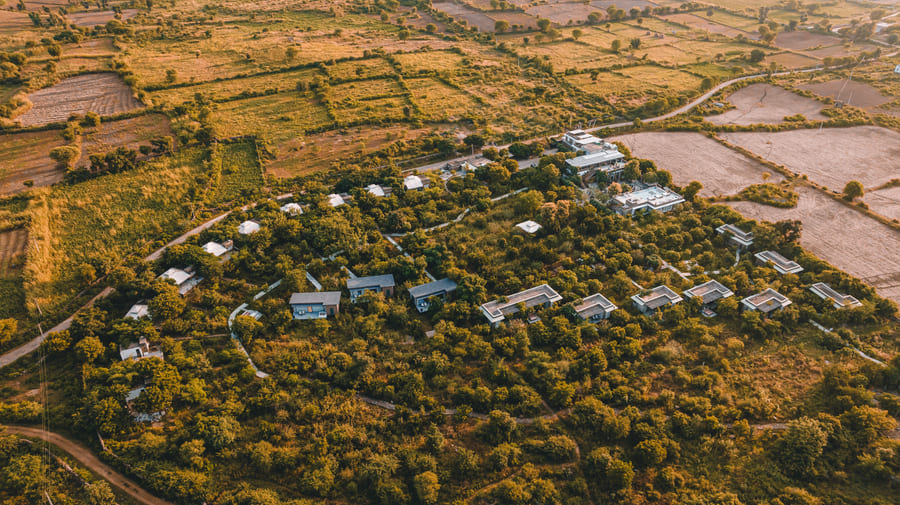
The FoundationHundreds of indigenous trees and plants, naturally suited to harsh Rajasthan summers, needing no extra water or special care, planted on land that began as barren ground.
RewildingNative planting helps maintain the groundwater table at healthy levels. Rooms carry reverse-osmosis filtered water in glass bottles, and linens are changed on request only.
Water WorkOver 85% of our team members come from Tehla and the nearby villages. Investing in the local economy is how the choices we make reach further than the property line.
CommunitiesIn Practice
We are committed to reducing our carbon footprint and enhancing our green initiatives, ensuring that the surrounding wildlife can thrive. None of the below is seasonal or optional; it is simply how the camp operates.
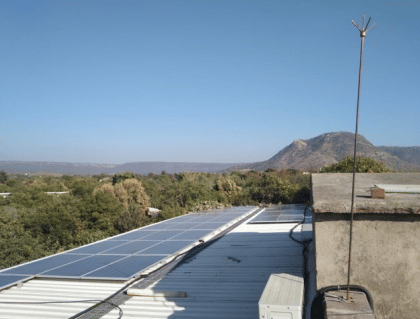
We recognise the importance of investing in clean energy and reducing our reliance on fossil fuels. To reduce our energy consumption, we installed 100-KW solar panels, making this largely a solar powered camp and cutting over 200 tonnes of carbon dioxide emissions per year.
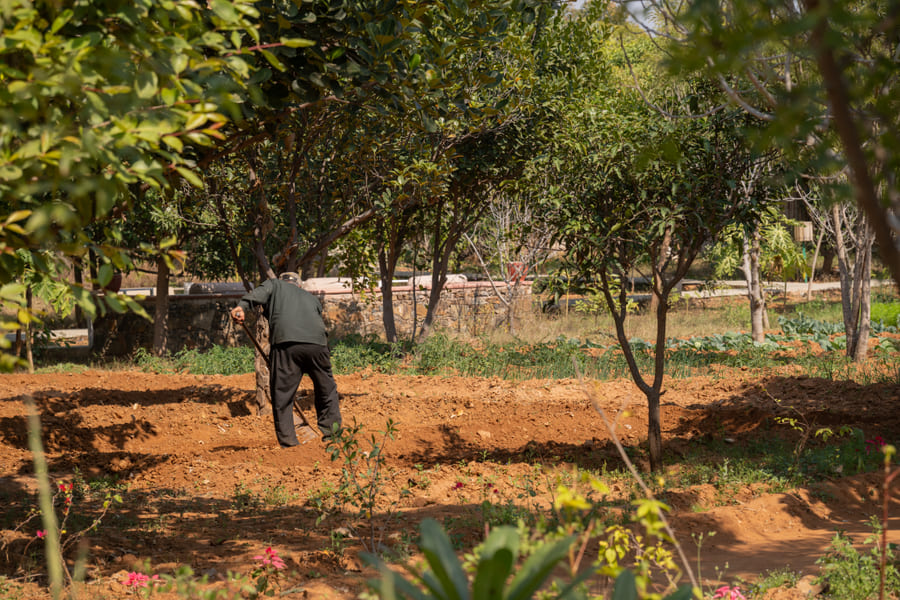
We follow the Zero-mile approach for sourcing fresh ingredients for our seasonal menu. We have our own pesticide and chemical-free garden to provide fresh vegetables and herbs for our kitchen. We use manure from the resident Utsav Camp Sariska dairy cows and vermicompost in our garden to nourish the soil and plants.
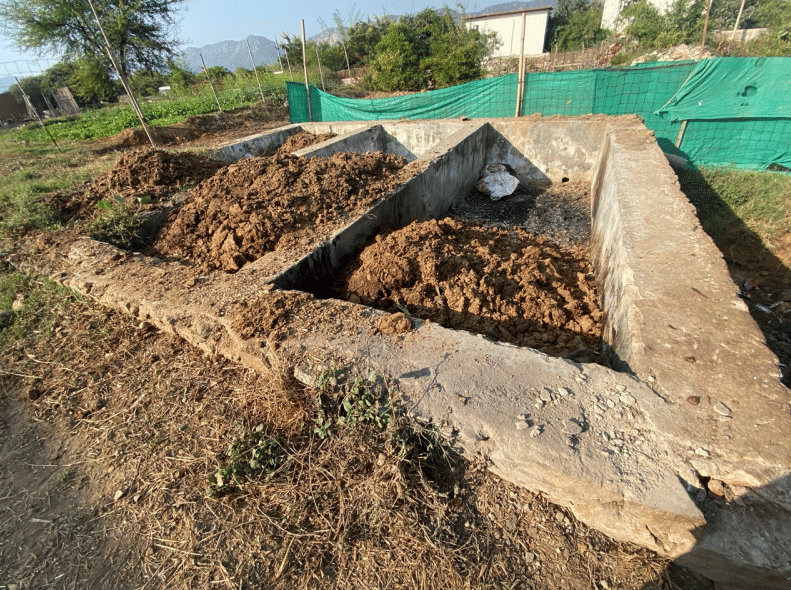
Waste management is one of the greatest challenges for the 21st century. We avoid the use of plastic bottles and all rooms are provided with reverse osmosis filtered water in glass bottles. All our trash is segregated, and we compost all biodegradable waste. Guests help us by not carrying disposable plastic bottles or packaged food in plastic pouches or bags.
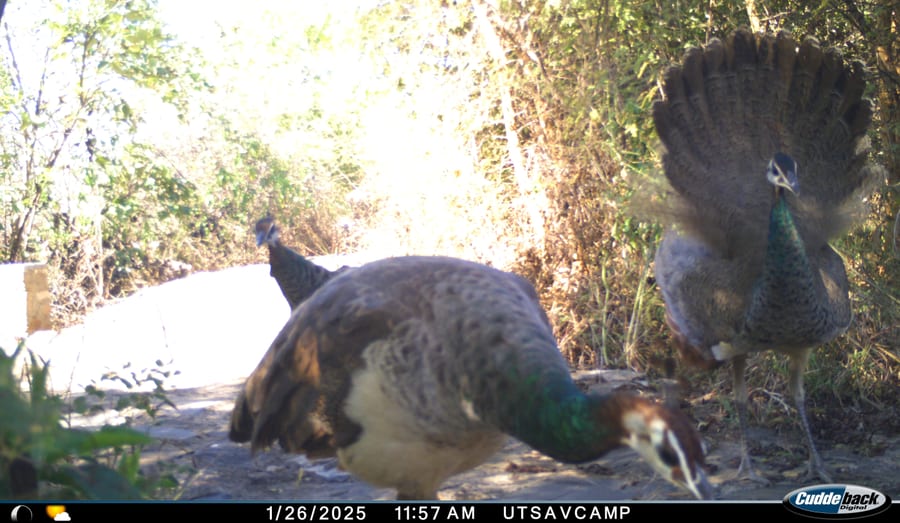
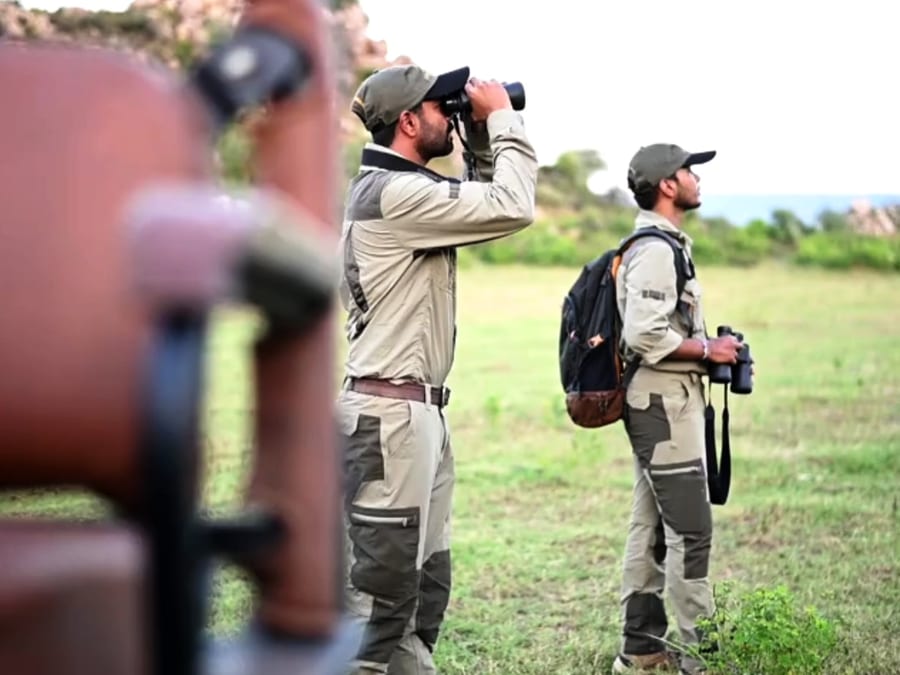
Our trained naturalists and rangers regularly document local wildlife with the aid of camera traps and photography. We have also mapped out the habitats around Utsav Camp Sariska and maintained checklists of indigenous flora and fauna.
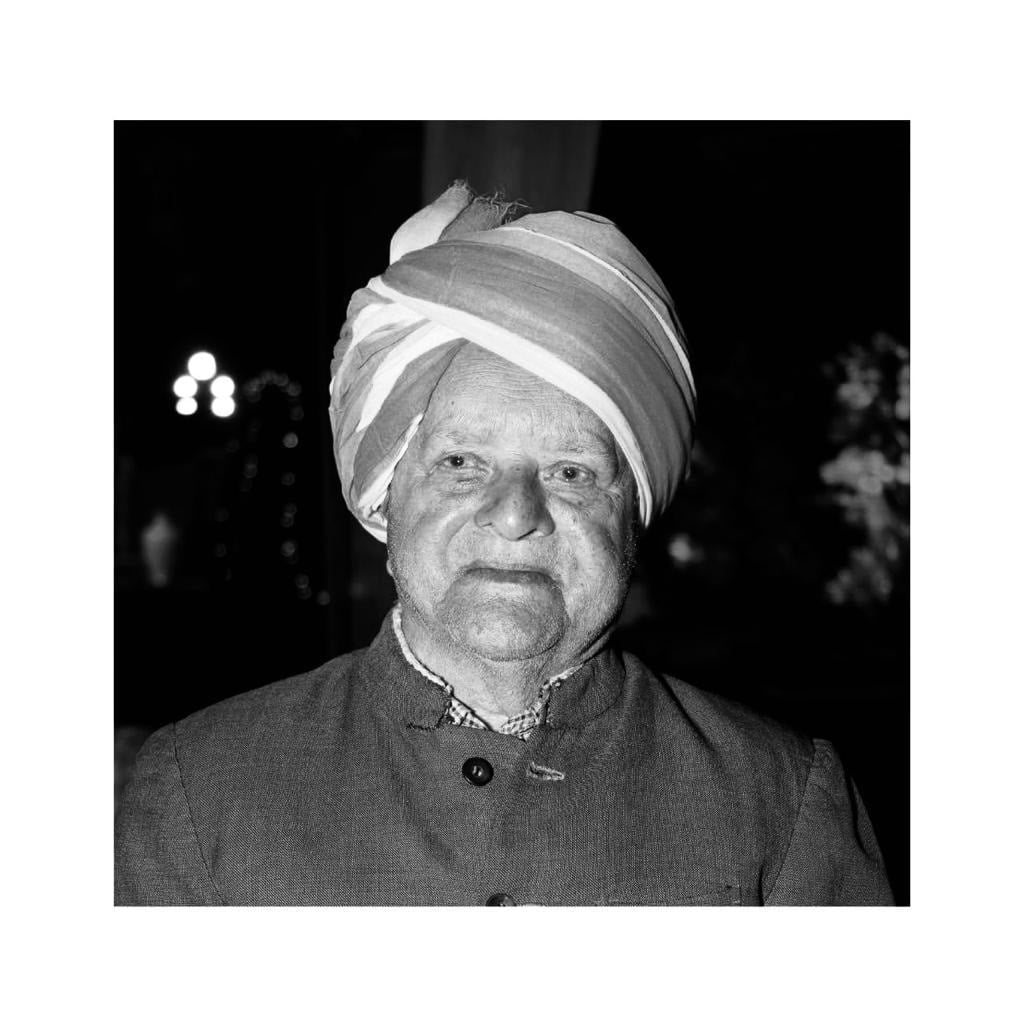
The Genesis of Our Foundation
The Sampat Wildlife Foundation epitomises the enduring legacy of the late Mr Sampat Singh Shekhawat, a revered figure and grandfather to Mr Luv Shekhawat. Established to honour Shekhawat’s extraordinary contributions to wildlife conservation, this foundation is dedicated to perpetuating his distinguished efforts and visionary work.
Sampat Singh Shekhawat was one of the final generations of forest officers to be trained by British officials. His pioneering initiatives were pivotal in laying the foundation for the esteemed Ranthambore, Bharatpur, and Sariska forest training schools, institutions that have since become cornerstones in shaping the trajectory of wildlife conservation in India.
Impact
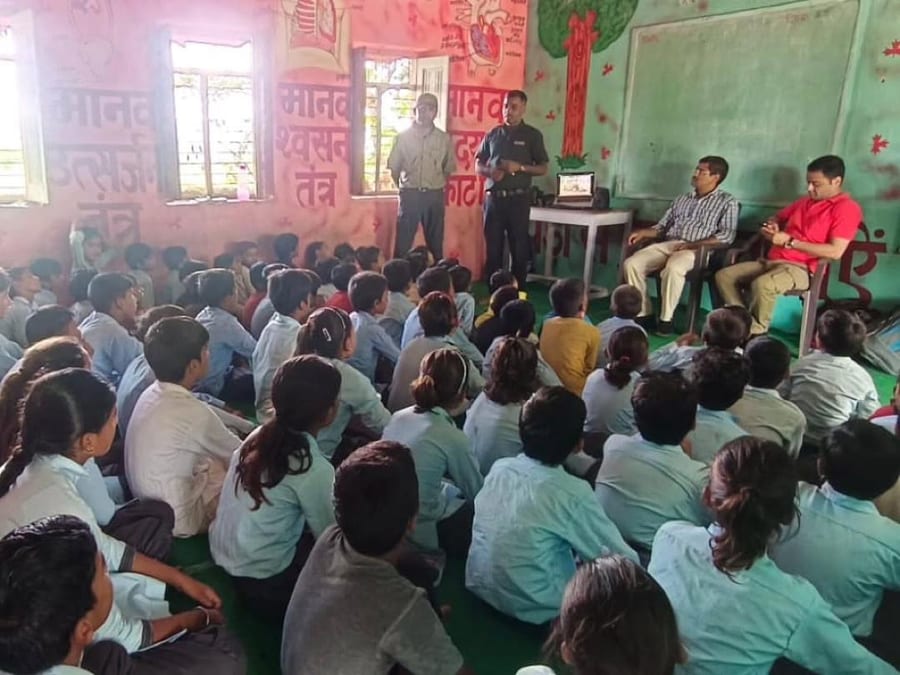
With unwavering dedication to safeguarding the natural world, the Sampat Wildlife Foundation is devoted to advancing sustainability and nurturing an eco-friendly future. The foundation engages in a diverse array of initiatives, ranging from education and research to hands-on conservation efforts, each designed to preserve and enrich India’s splendid natural heritage.
Through these efforts the foundation not only commemorates the legacy of Sampat Singh Shekhawat but perpetuates his invaluable work, ensuring that India’s wildlife treasures are preserved and protected for generations to come.
The Future
Utsav Camp Sariska holds memberships with TOFT, HIP Hotels, RARE, and Secret Retreats, bodies that certify responsible and sustainable tourism practice. If you would like to see the work rather than read about it, ask when you book.
Contact us to learn how to contribute to the Sampat Wildlife Foundation’s education, research, and conservation work.
Students and researchers have worked alongside our naturalists in the field. Write to us with what you would like to study.
Camera-trap lines, habitat documentation, and the village economy that surrounds the camp, all part of the Conserve experiences.
The foundation posts its field work at @sampatwildlifefoundation on Instagram.