_ecbc8f8a.png)
Wildlife of Tehla
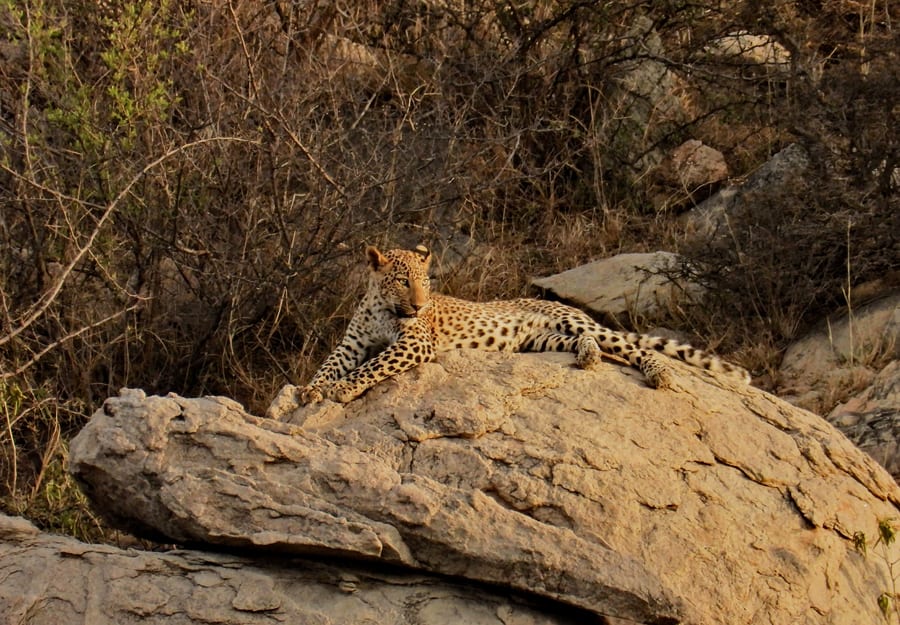
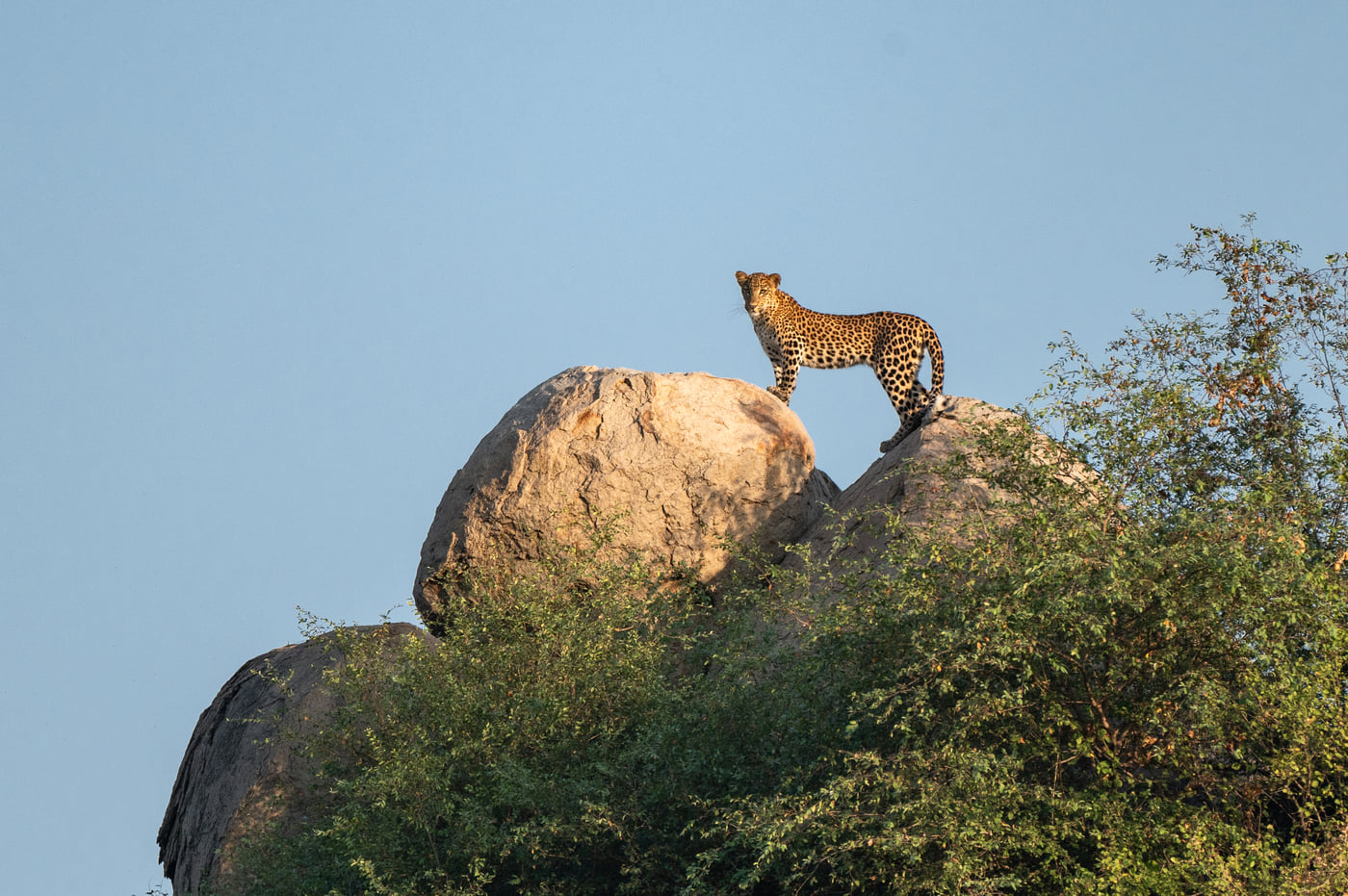
Leopard country, most of the leopards seen from this side turn up in the buffer land, working the same rocky ground that holds the boulder fields.
Meet Leopard Country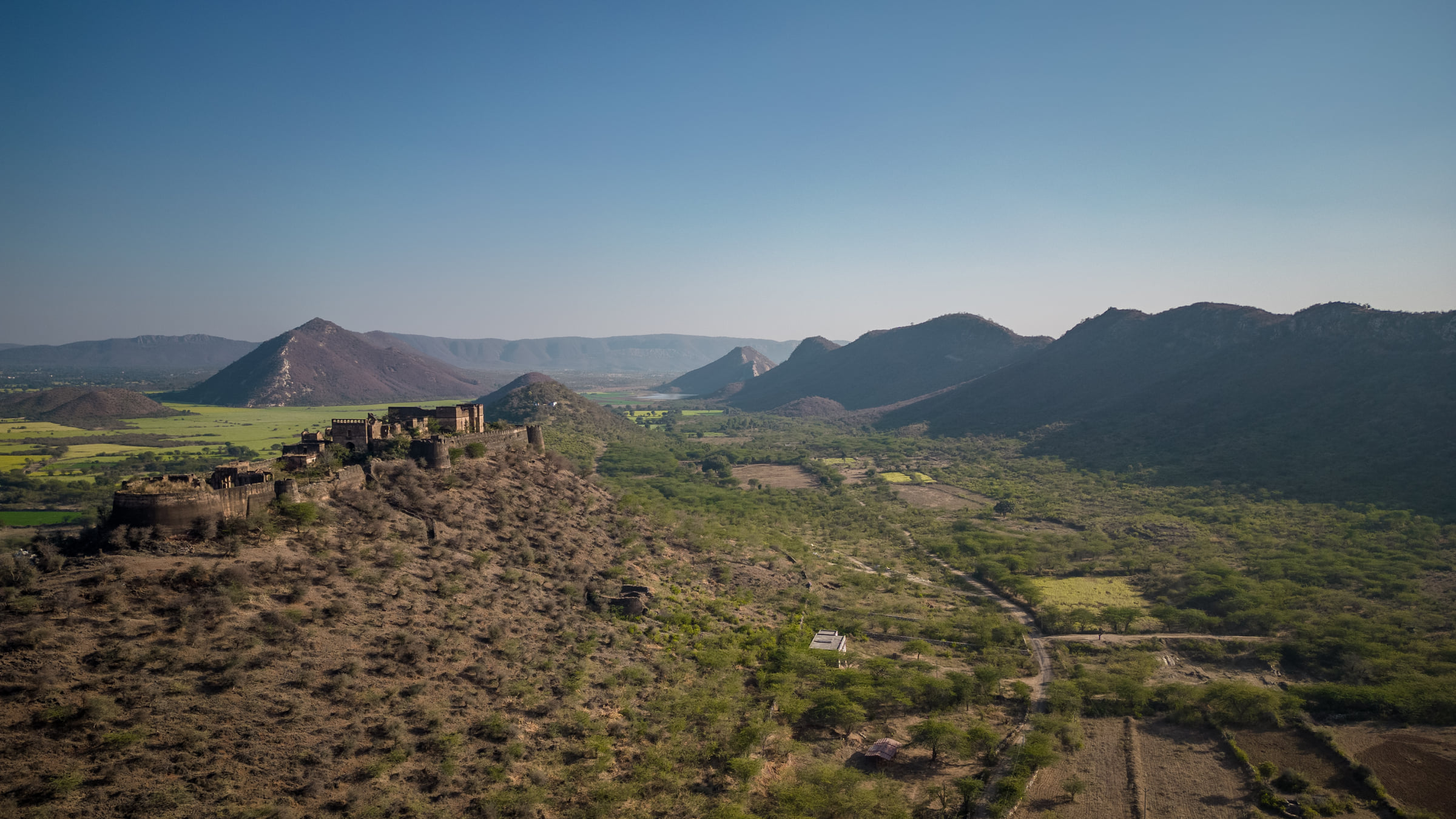
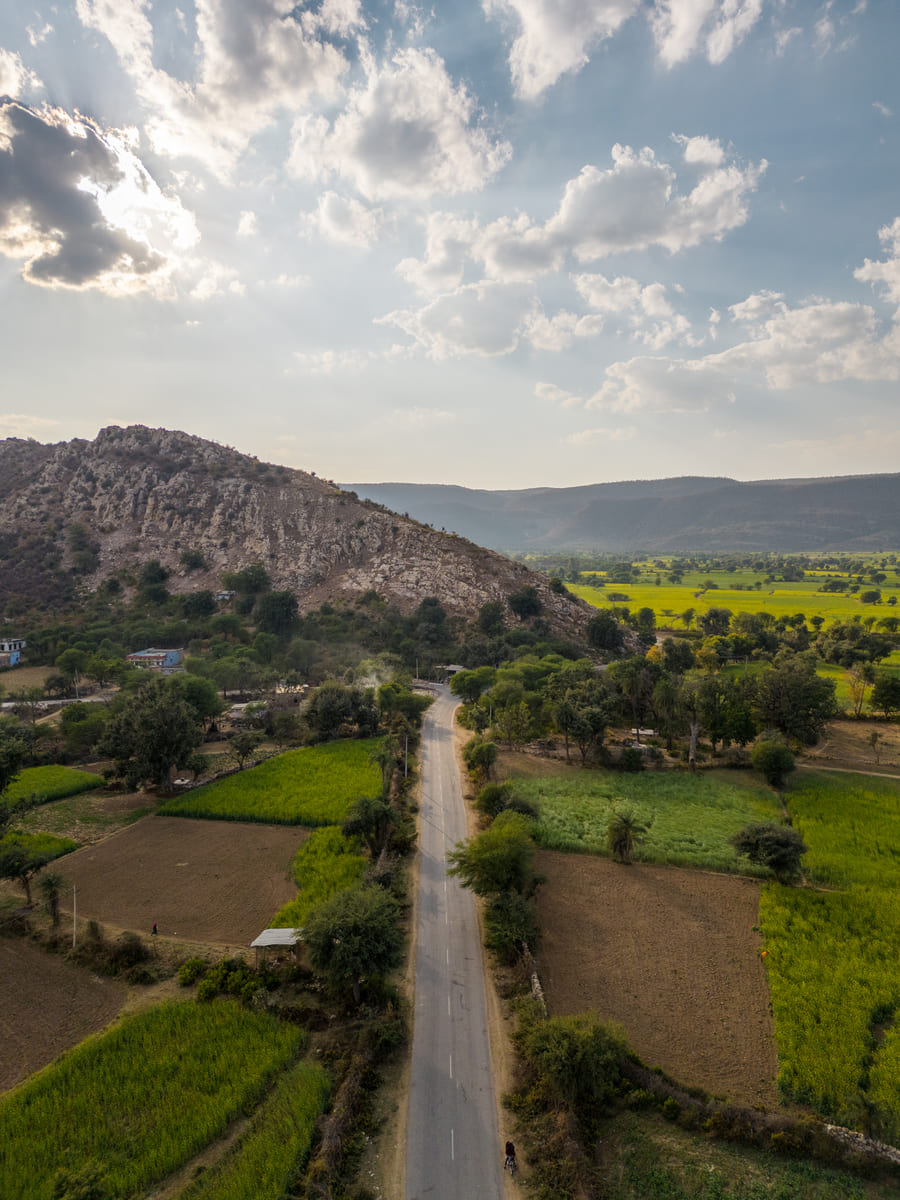
South of Rajgarh, where the road empties out and the Aravallis close in, sits a village at the end of the road Rajasthan rarely thinks to take.
Tehla holds the second of Sariska Tiger Reserve’s 2 gates, and by far the smaller share of everyone who passes through either one.
What waits past that gate isn’t a lesser version of the reserve’s main entrance. It’s a different piece of the same wilderness: boulders marked by hand thousands of years before anyone here kept written records, a lost temple town with more ruins than most visitors could count, and leopards that have learned to hunt rock instead of open forest.
The Quiet Gate
The ground here doesn’t carry much traffic. A handful of jeeps might cross a given stretch of road in a morning, rarely more, and the wildlife along it has never had much reason to learn the sound of an engine as a warning. A leopard crossing open ground here won’t bother hurrying.
The terrain does its share of the work too. Quartzite ridges break the tree line into long stone spines, and the tracks narrow to a single set of tyre ruts in places. Both gates open onto the same park, and a safari from either one can range across it, but Tehla’s admits only 13 vehicles at a time, a cap that goes a long way toward explaining why this side still feels undiscovered. Most naturalists, asked which half of the reserve rewards patience over speed, will point south without much thought.
The Boulders
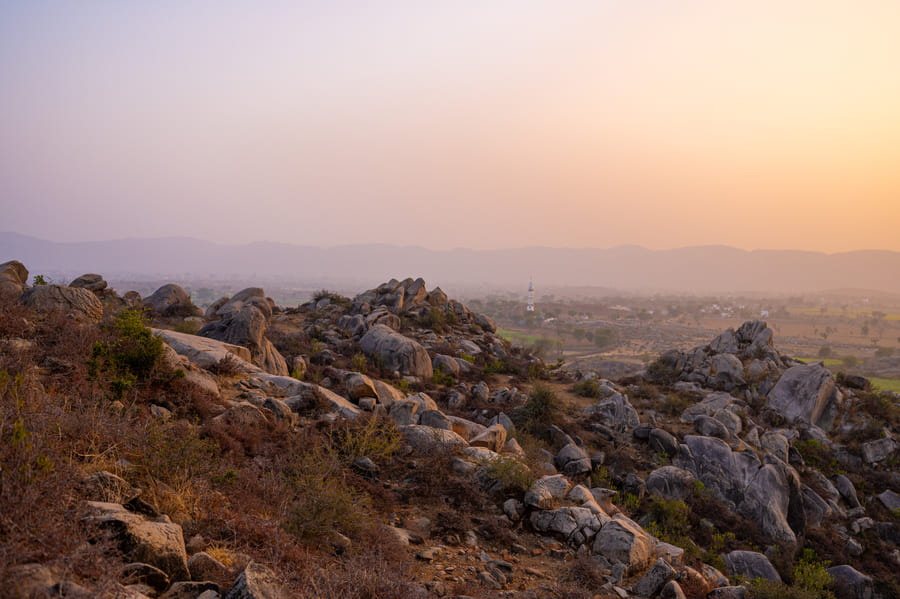
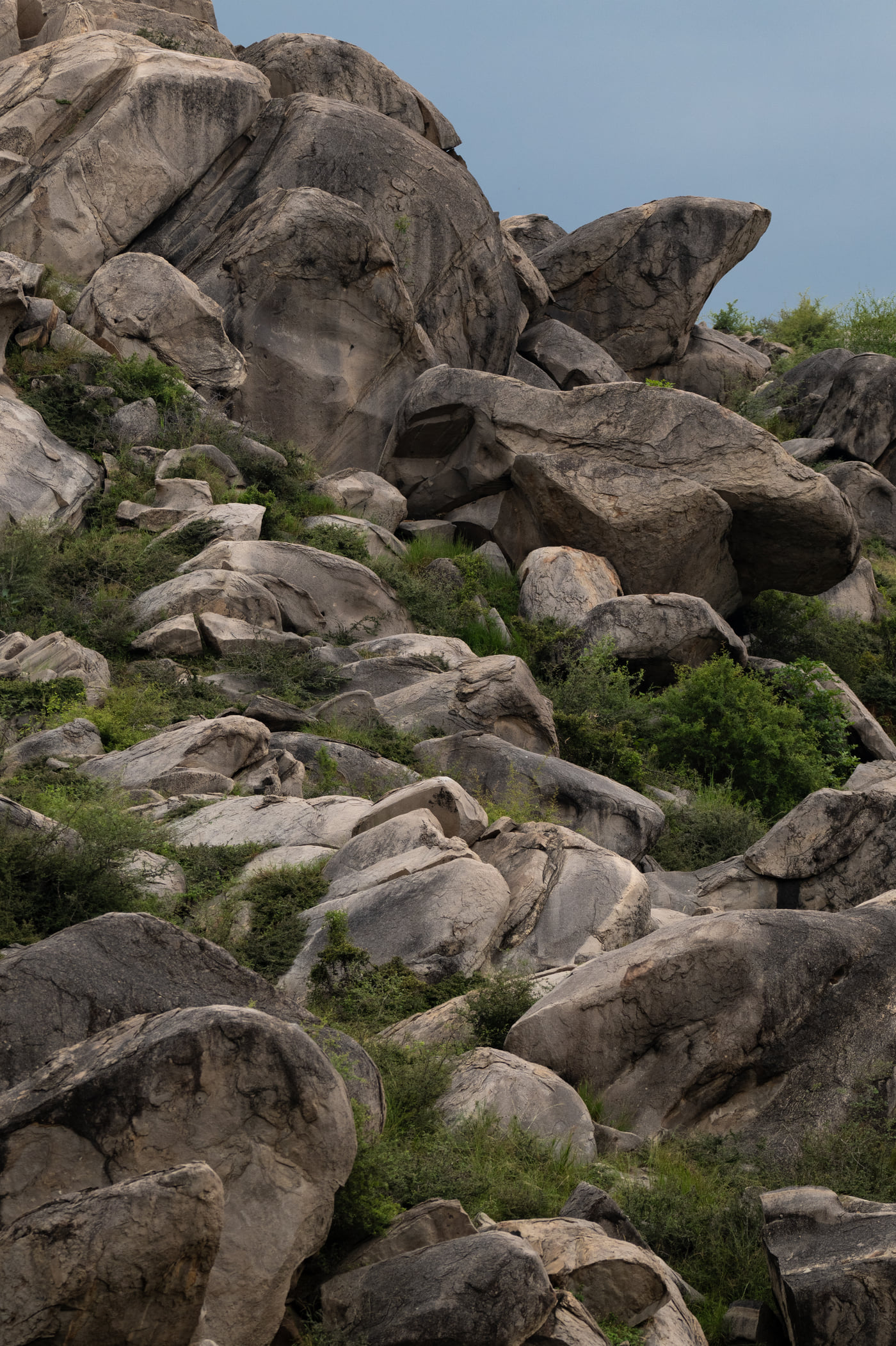
Scattered across the boulder fields around Tehla, on rock older than the Aravallis themselves, are small round hollows worked into stone by hand by people who left no other record of who they were. Cupules, they’re called: among the oldest known human art anywhere on the planet.
They sit in the open, uncatalogued, passed by almost every tourist on the way to a tiger sighting. A 2022 field study was the first serious attempt to document them.
The Boulders of Tehla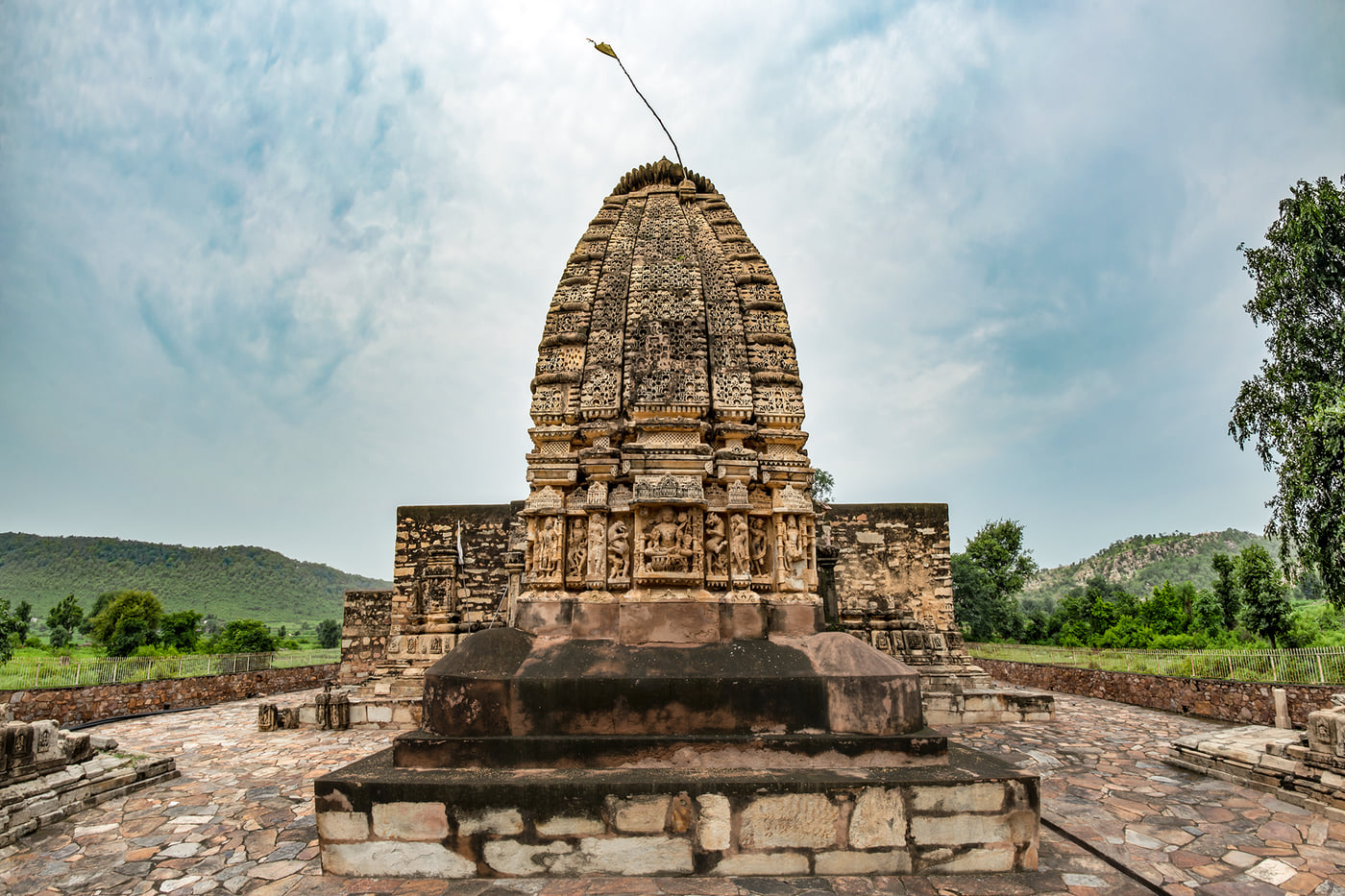
The Temple
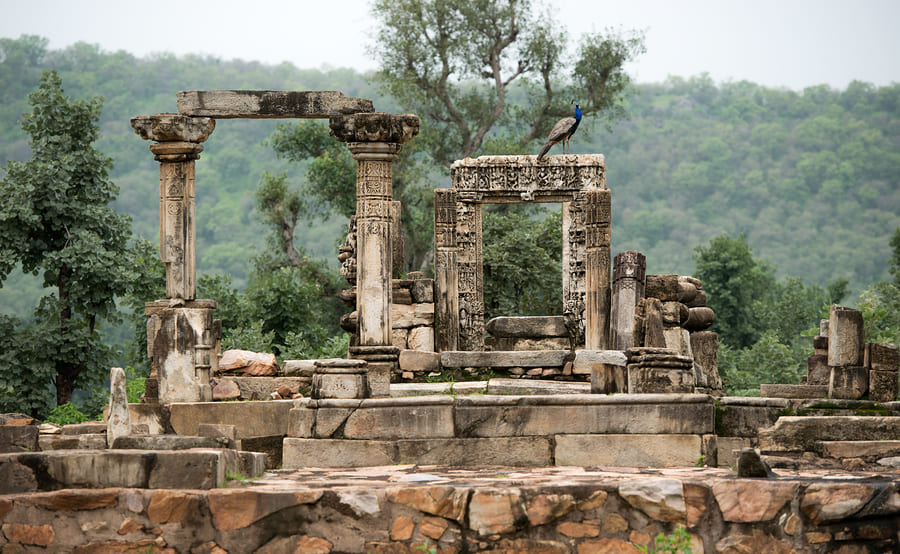
Deeper into the same forest, past the boulders, stands a temple complex active from roughly the 8th to the 15th century CE, once home to over 300 shrines and now, by most archaeological counts, to 321 documented ruins around the one temple still standing.
It has never been renovated for footfall or added to a tour circuit: spared, like the boulders and much of Tehla, simply by being left alone. Most visitors to Rajasthan have never heard of it.
The Temple Beyond the Gate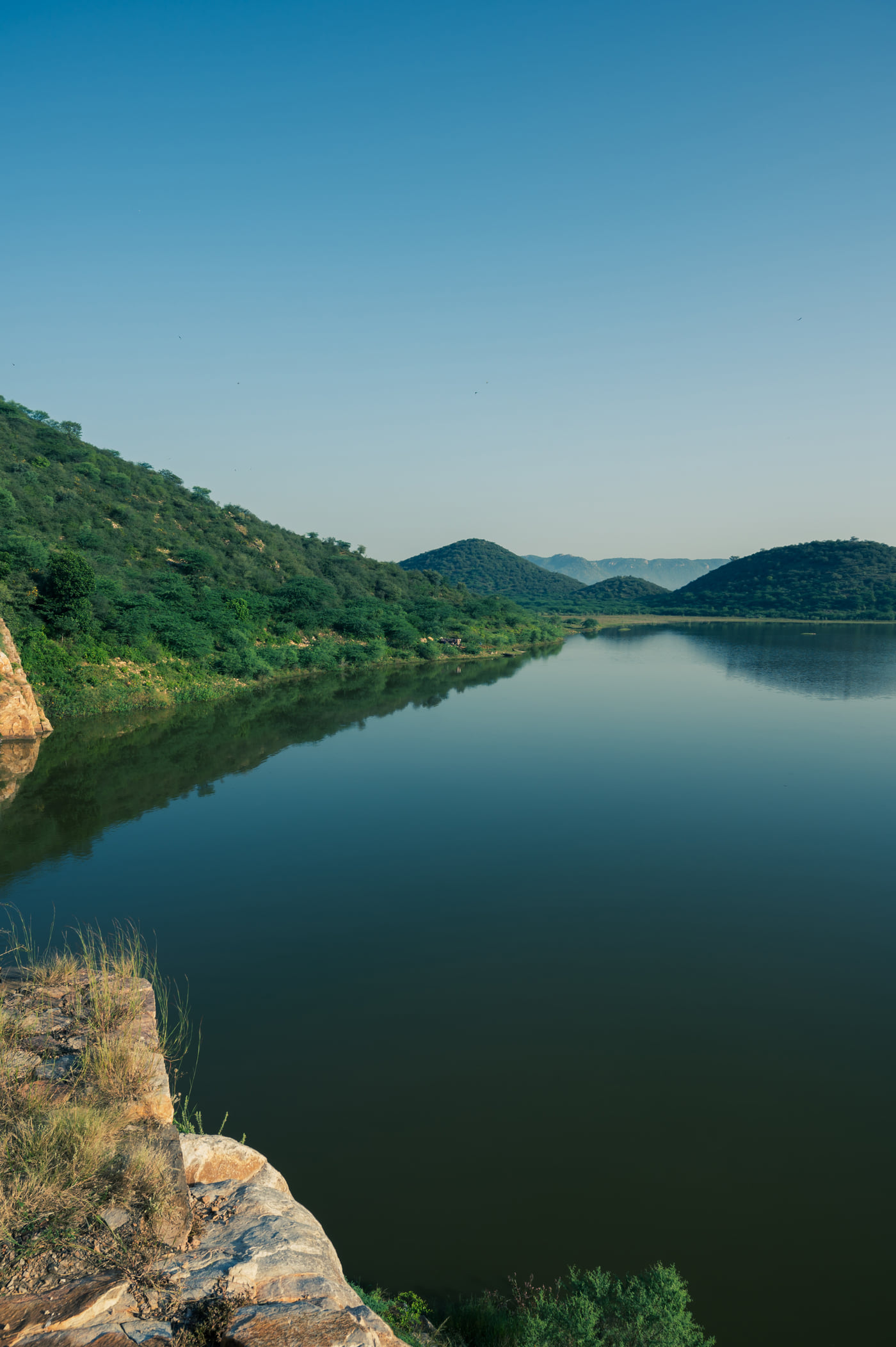
Three Waters
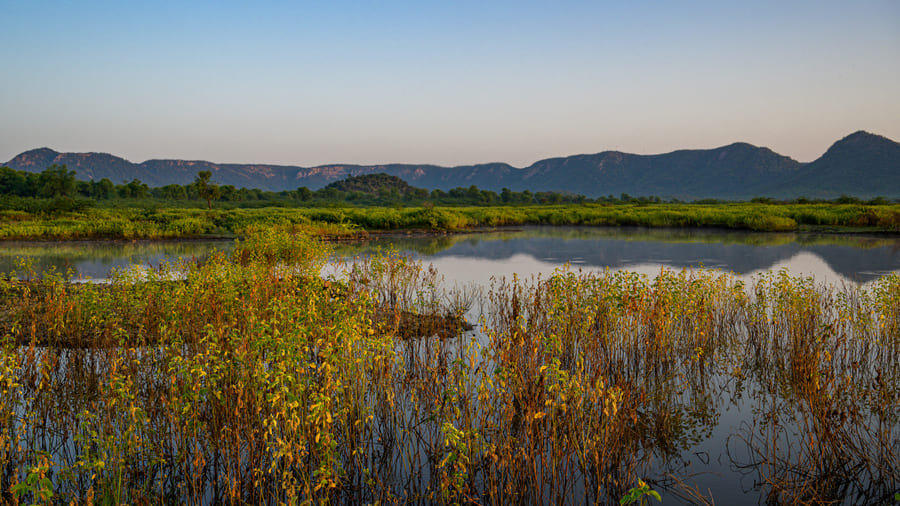
South of the boulders, 3 bodies of water (Mallana, Mansarovar, and Talab) hold the reserve’s dry months together, pulling herons and painted storks down from wherever they spend the rest of the year.
Between them sits Tehla itself, a village where farming and small trade set the rhythm of the week, the forest and the water shaping the pace of things here far more than any tourist season does.
The Three Waters of TehlaSlow Days
None of this asks to be rushed. A morning safari might turn up nothing louder than pug marks and a heron lifting off Mansarovar. An afternoon at the boulders might turn up nothing but the sound of your own footsteps on ground that’s carried human marks for thousands of years.
Tehla rewards the traveller willing to let a few days unfold slowly rather than chase a single sighting across the whole reserve.
Utsav Camp
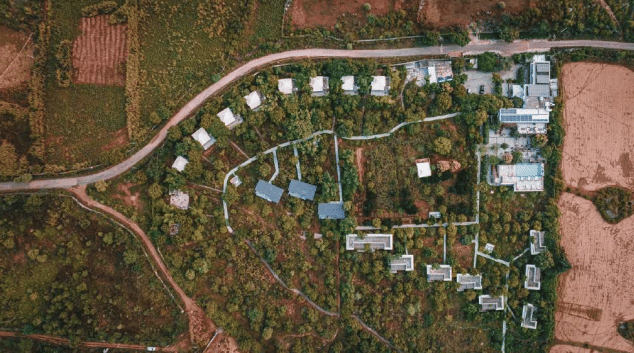
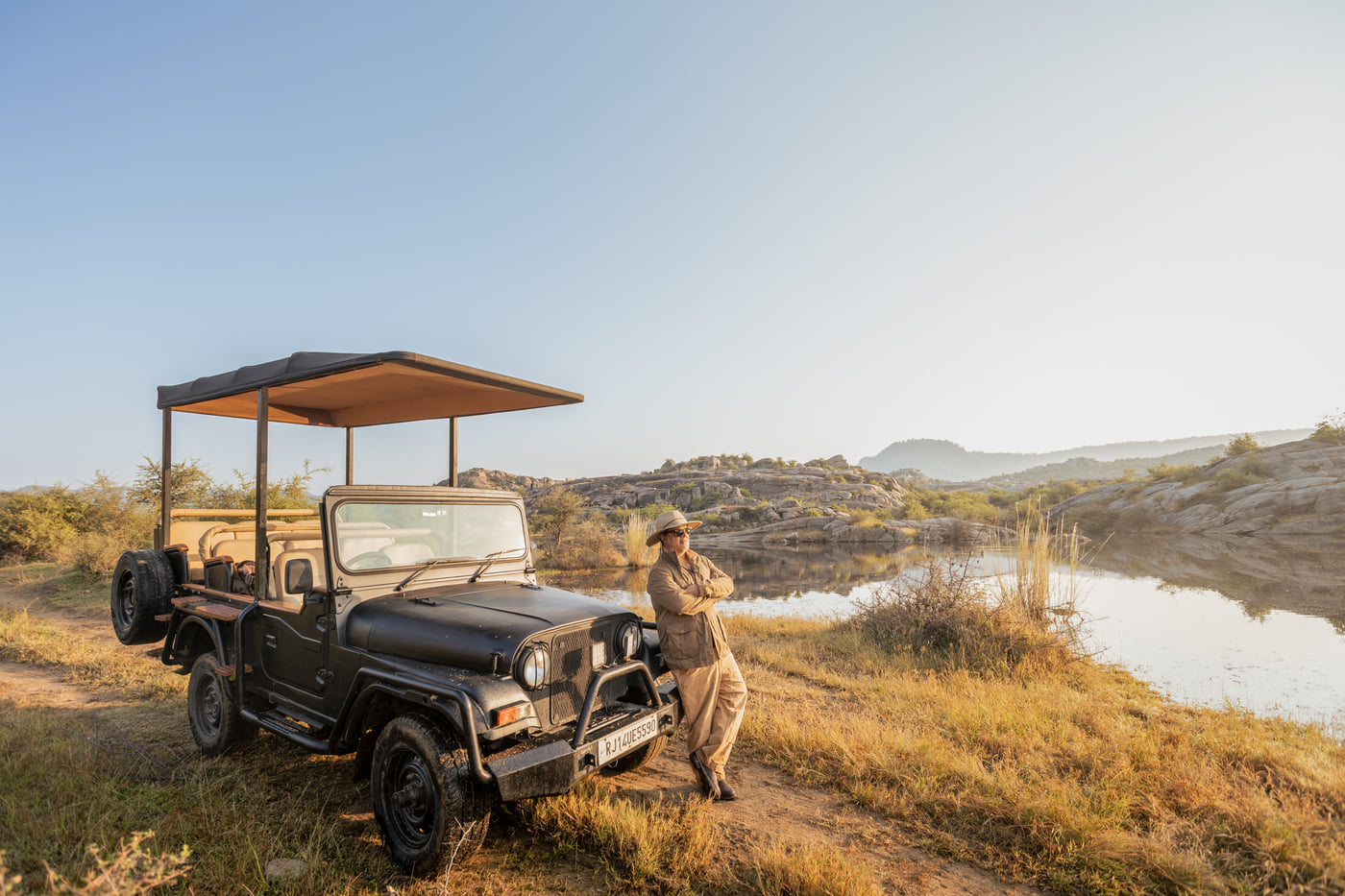
Utsav Camp Sariska was the first camp built in the Tehla region, and has spent more time studying this ground than any other property.
It runs its own wildlife tracking, keeps camera traps holding over a decade of behaviour no nearby property has on record, and helped a rock art researcher reach boulders undocumented before 2022.
One Camp, Every LayerThe Untouched Side
Leopard country, most of the leopards seen from this side turn up in the buffer land, working the same rocky ground that holds the boulder fields.
Meet Leopard CountryRock art older than the Aravallis: cupules struck into granite by hands that left no other record, first studied in detail in 2022.
Read the RockA temple town of the 8th to 15th century CE: 321 documented ruins around the one shrine still standing, beyond Tehla Gate.
The Temple Beyond the GateMallana, Mansarovar, and Talab form a rough triangle around the village, and that triangle is, in practice, where the wildlife is.
Follow the WaterFarming still sets the week here, and Gurjar families carry an oral history running back several hundred years, tied to the boulders themselves.
Meet Tehla2 to 3 hours from Jaipur on NH248, about 4 from Delhi by expressway, and a last stretch that feels like an arrival.
Make the JourneyA few useful things to know.
Tehla is a village south of Rajgarh in Alwar district, Rajasthan, on the southern side of Sariska Tiger Reserve. It holds the second of the reserve’s 2 main gates, and Utsav Camp Sariska sits in the Tehla region at Village Murlipura.
Yes. Tehla Gate and Sariska Gate open onto the same park, ~80 km apart by road, and a safari from either one can range across the reserve. Tiger territories cross both sides, so sighting odds are broadly comparable from either gate.
Tehla Gate admits only 13 vehicles at a time, so the tracks stay quiet and the wildlife is less used to engines. Quartzite ridges and narrow tracks give this side a wilder feel, and it is the side naturalists tend to recommend for patient wildlife watching.
Tehla is leopard country, with about 42 leopards in the region, most of them seen in the buffer land around the boulder fields. Hyenas, golden jackals, jungle cats, and resident raptors are also found here, and herons and painted storks gather at the 3 waters in the dry months.
They are granite and quartz formations between 1,000 and 2,500 million years old, older than the Aravallis themselves. Many carry cupules, small hollows worked into the rock by hand and among the oldest known forms of human art, which a 2022 field study was the first to document in detail.
Neelkanth Mahadev is a temple complex beyond Tehla Gate that was active from roughly the 8th to the 15th century CE. It once held over 300 shrines and now has 321 documented ruins around the one temple still standing. It is ~17 km, or about 30 minutes, from Utsav Camp Sariska.
Mallana, Mansarovar, and Talab form a rough triangle around Tehla village and hold the area’s wildlife together through the dry months. Mansarovar Lake is ~10 km and Mallana Dam ~13 km from the camp.
The best way is by road. Utsav Camp Sariska in Tehla is ~116 km from Jaipur and ~233 km, or about 4 hours, from Delhi; from Delhi, take NH48 up to Pinan and then the road to Tehla via Rajgarh. Jaipur International Airport is the nearest airport, Rajgarh and Bandikui are the nearest railway stations, and the camp can arrange transfers on request.