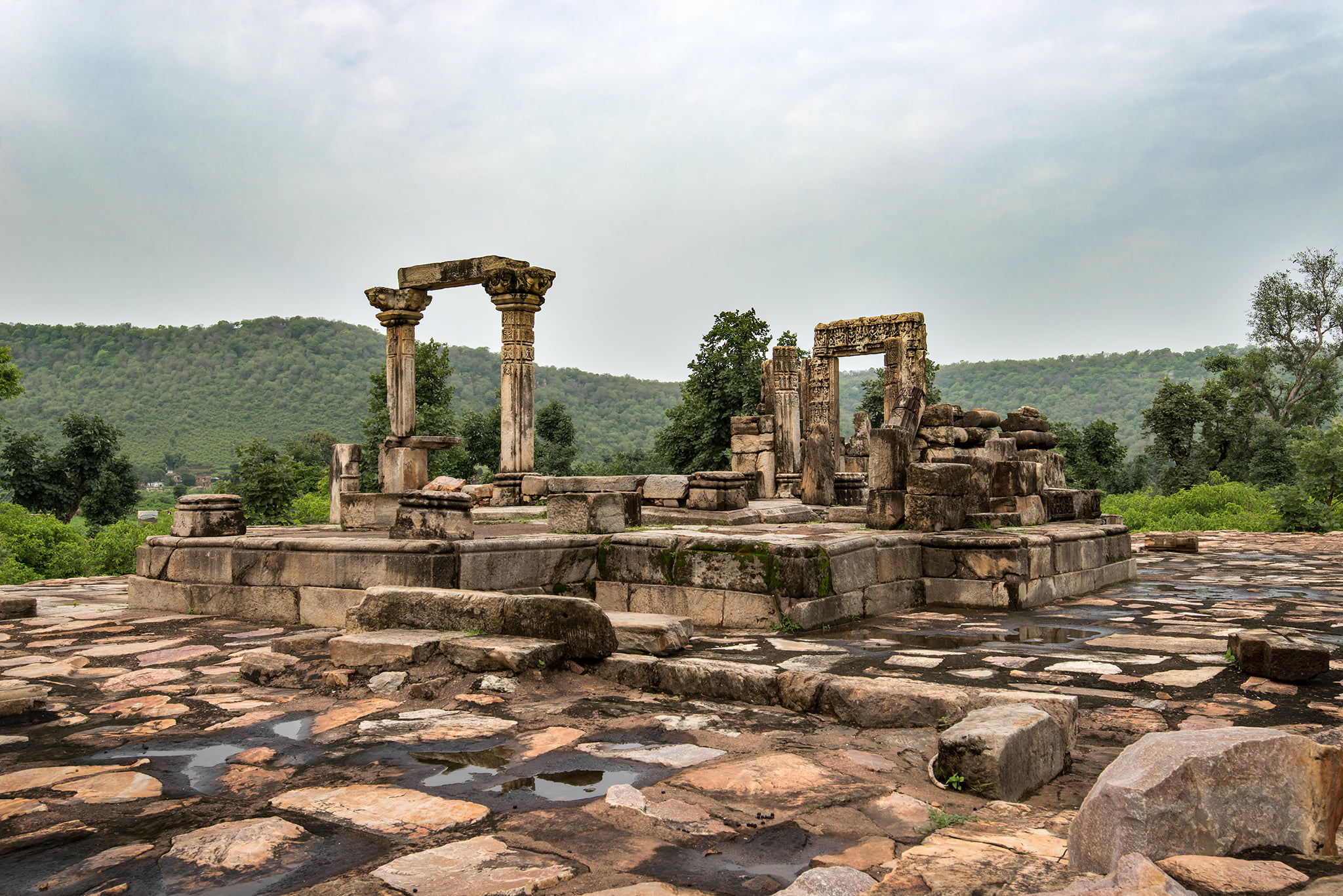
Archaeological surveys place the site’s active period between the 8th and 15th century CE, and what stands today is only a fraction of what once did. Records count 321 temple ruins scattered across the hills around the one shrine still standing, a scale that has earned the site an informal name among historians: the Khajuraho of the Aravallis.
Set into the hills along the Tehla route, it draws a handful of devotees on a given day rather than a procession. Reaching it means driving through the same forest that shelters the reserve’s tigers and leopards, usually the first thing anyone visiting for the wildlife mentions afterward, that the drive to a temple turned into its own kind of safari.
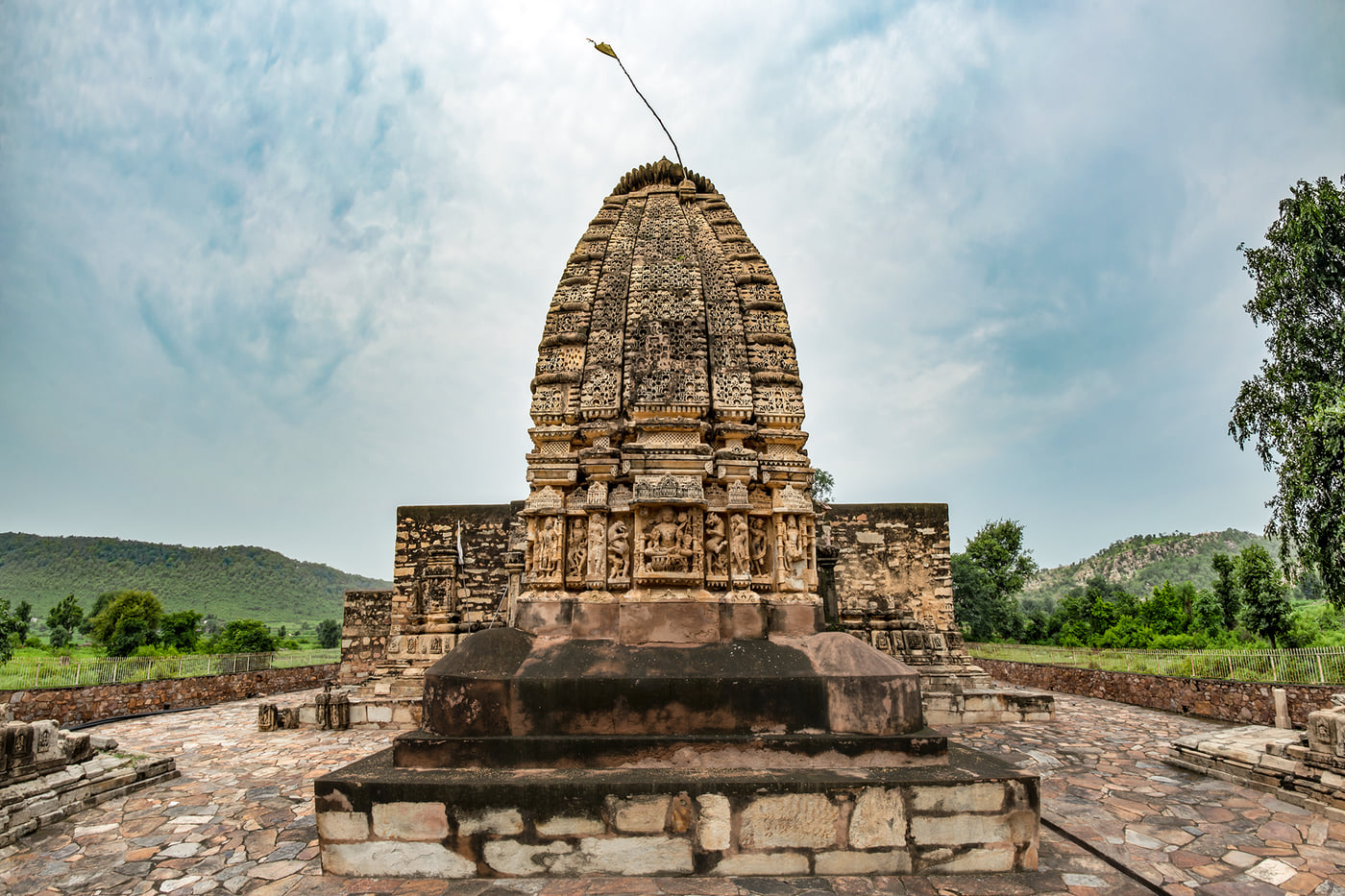
The Survivor
Local legend has its own account of why a shrine survived where hundreds did not, that an army sent to destroy it was driven off by a swarm of bees before the work was finished.
True or not, it’s the only version of the story anyone here bothers repeating.
Barely Studied
What the ruins hold has barely been studied. Carved pillars, temple foundations, and sculptural fragments from a documented span of 7 centuries sit exposed to the weather, most of it never catalogued in any detail.
For a site this old and this large, it remains one of the least examined records of Indian temple art anywhere in Rajasthan.
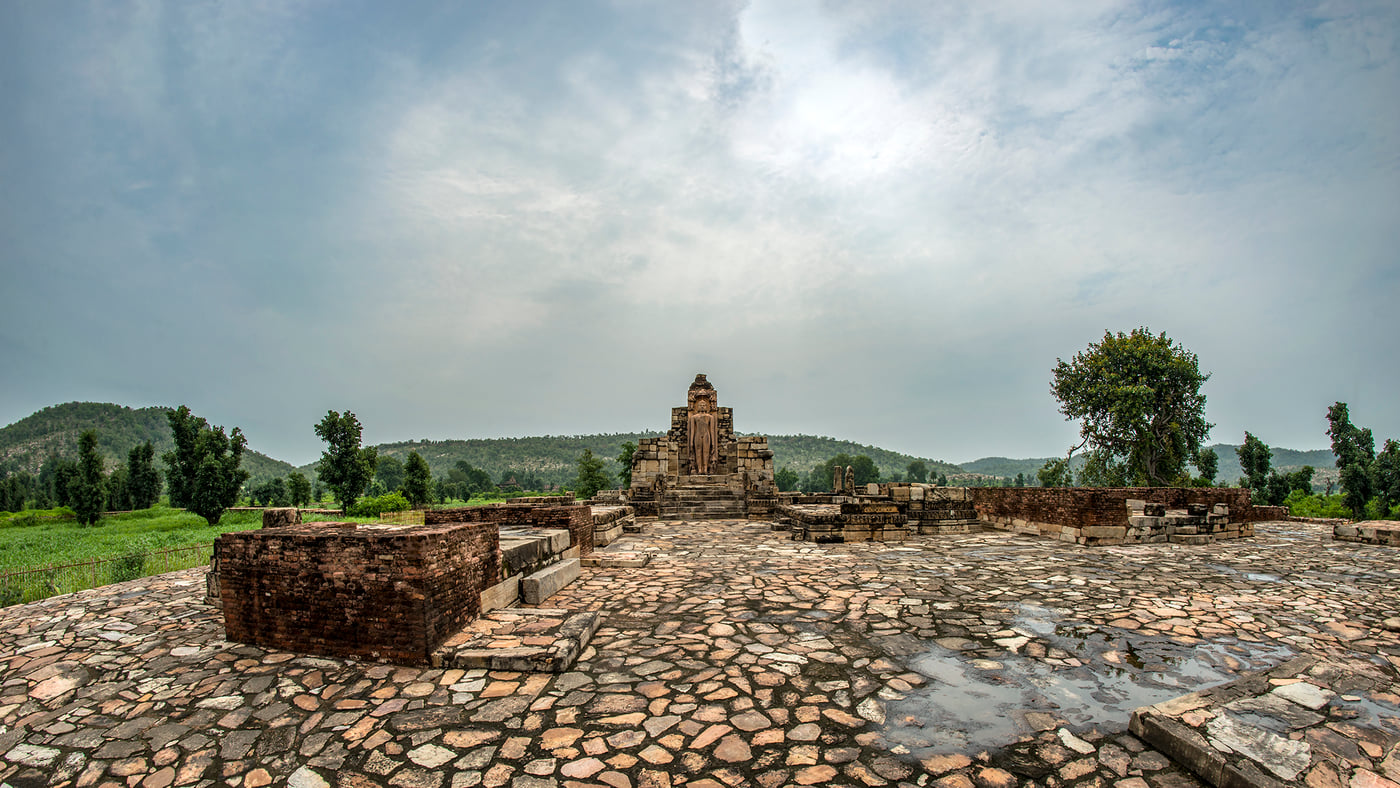
Left Alone
No gift stalls line the path in. No amplified chanting carries across the valley. The temple has stayed roughly the shape it always was: a bell, a shrine, stone worn by monsoons rather than by tour groups, and a walk in that doubles as a passage through some of the reserve’s least disturbed terrain.
_ecbc8f8a.png)