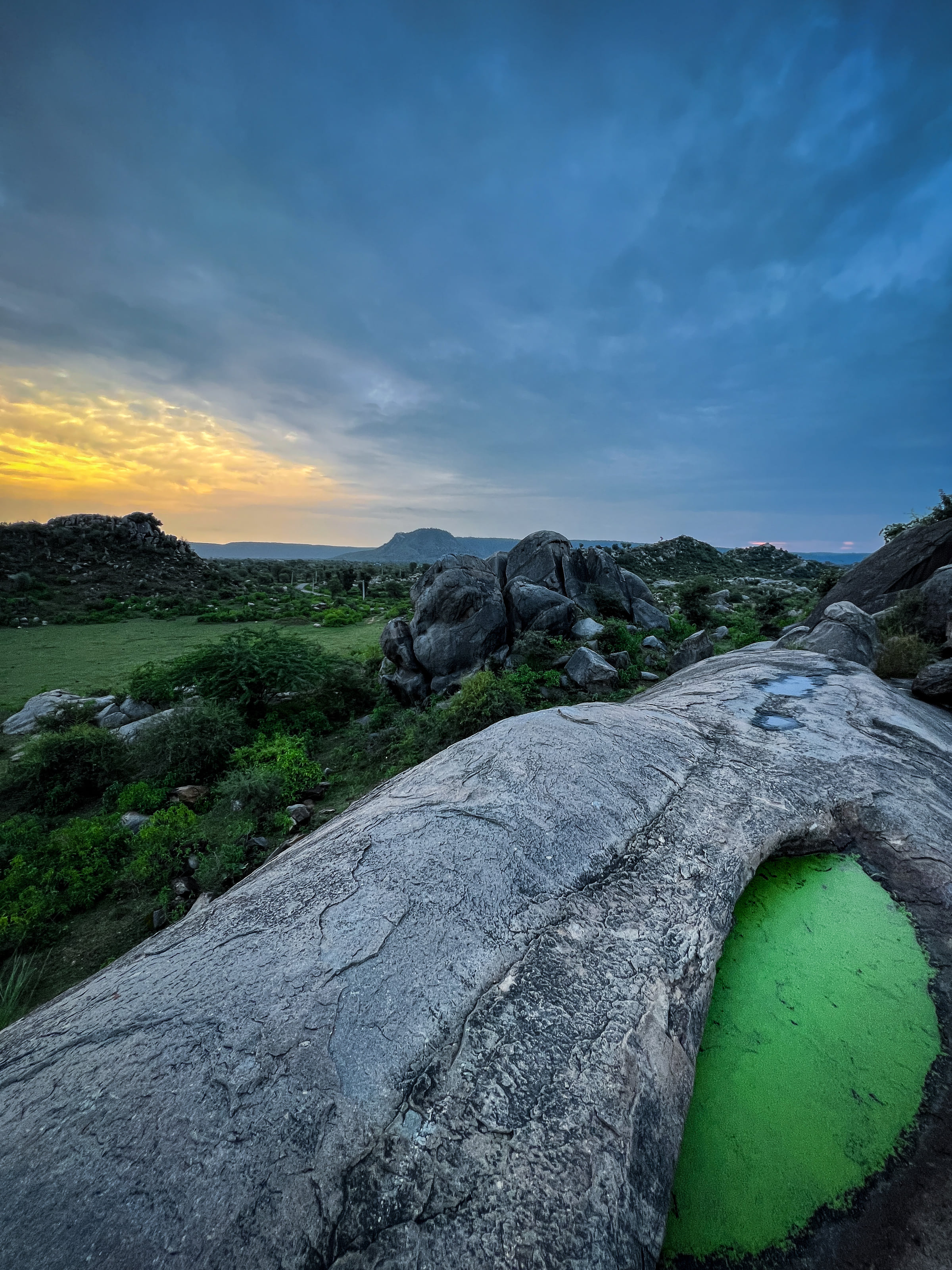
Someone once used a stone just like it to strike the same spot on a boulder face until a small round hollow appeared. That hollow is called a cupule, the simplest form of Tehla rock art. Nobody in Tehla today can tell you who made the first one.
The Rock Itself
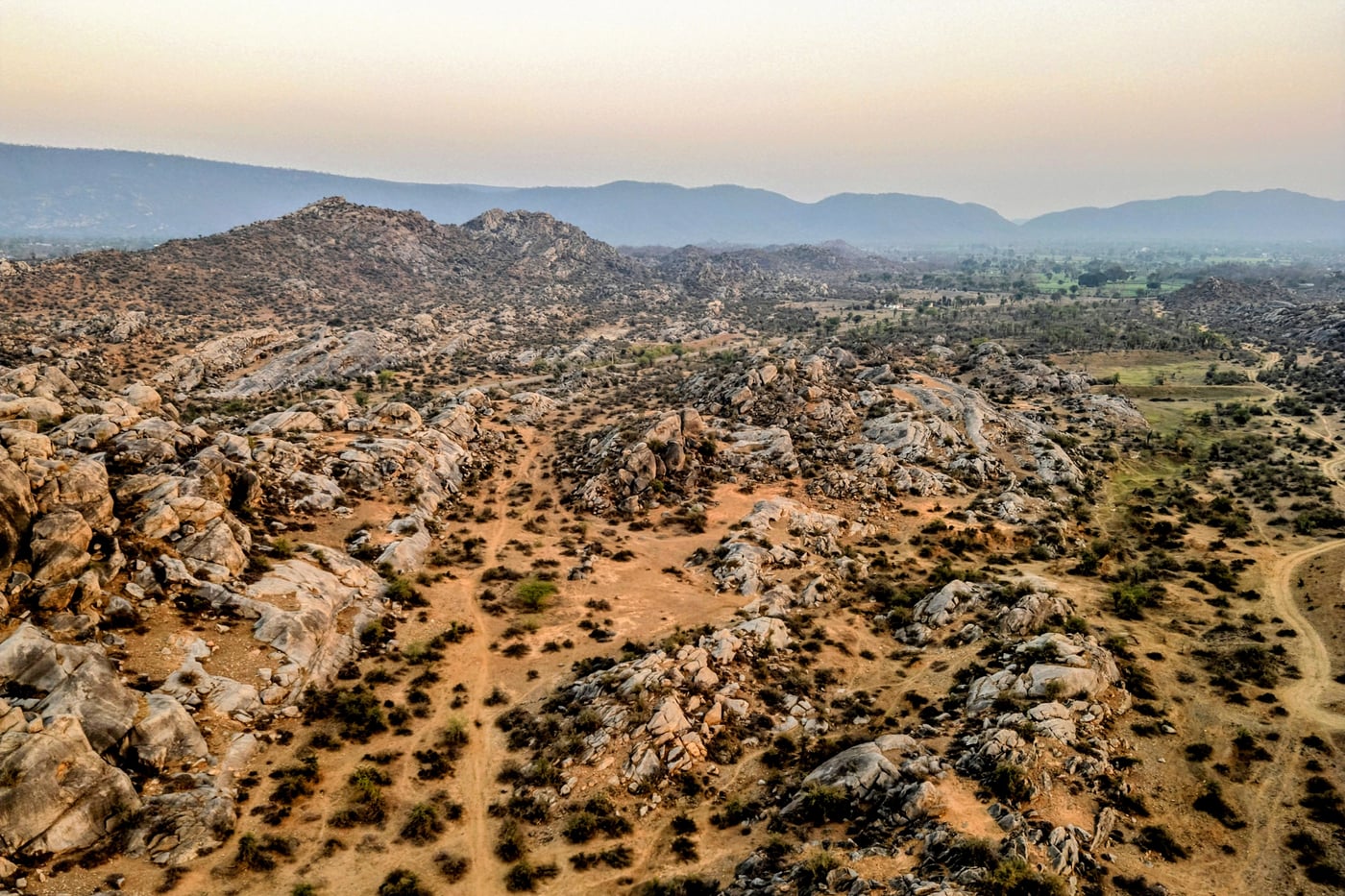
The boulders themselves are granite and quartz, igneous rock formed long before the softer sedimentary stone of the Aravallis piled up around them. Radiometric dating puts them older than the range that now holds them; erosion simply couldn’t wear granite down at the rate it wore everything else away.
What’s left is a maze of narrow passages and hidden crevices spread across ~12 to 15 km of terrain around Tehla, including the ground the camp itself sits on.
Older Than Almost Any Art
Cupules are considered the earliest known form of art made by human hands, found on every continent except Antarctica, made across a stretch of time running from the Upper Palaeolithic through the Mesolithic and into the Neolithic.
Alwar, Kota, and Bundi hold some of the densest concentrations of this art form anywhere in India, in the same broad tradition as the Bhimbetka rock shelters, among the most significant prehistoric art sites in the world. Almost none of it is fenced or labelled.
The Study
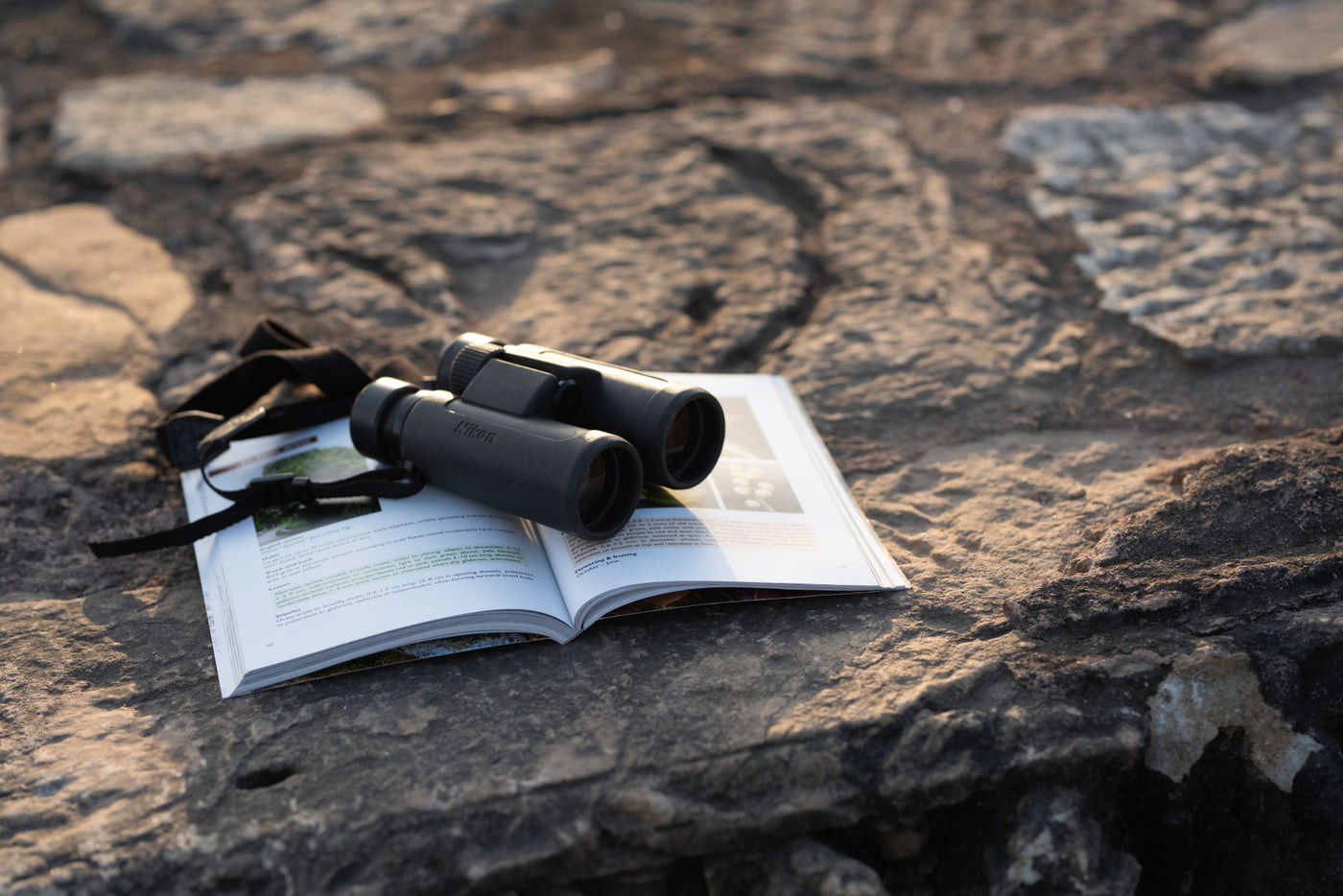
In 2022, rock art researcher Meenakshi Dubey-Pathak published a field study through the Bradshaw Foundation documenting these markings around Tehla in real detail, work that had local naturalist Luv Shekhawat helping her reach sites with no formal record before then.
Not far away, in a village called Dadikar, similar rock art wasn’t identified until 2001. Alwar’s boulders had been sitting in plain sight for at least that long.
Shared Ground
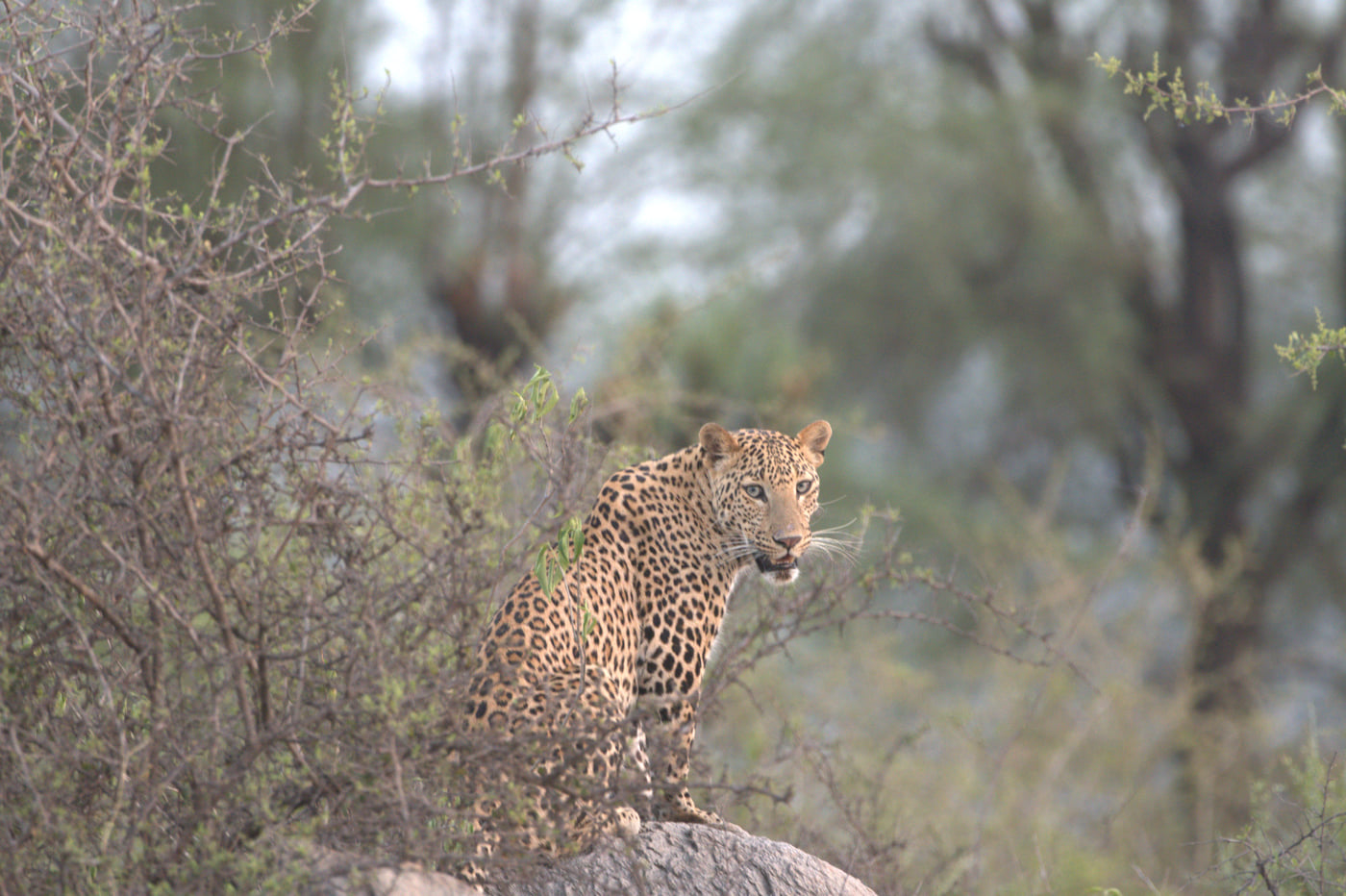
The same crevices that hold markings struck into the rock thousands of years ago also collect rainwater long after the monsoon ends, and leopard, hyena, jungle cat, and nilgai come to drink from them today, likely much the way something did on the day the first cupule was made.
_ecbc8f8a.png)