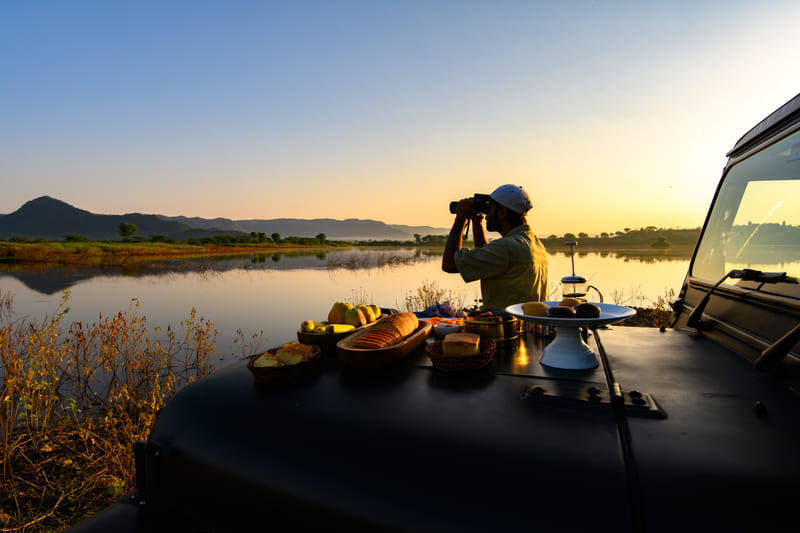

Nestled amidst the rugged Aravalli Hills, Sariska is best known for its thriving tiger reserve, but its appeal extends far beyond wildlife. Ancient forts, centuries-old temples, serene lakes, and royal landmarks are scattered across the landscape, each revealing a different chapter of Rajasthan's rich cultural and historical heritage.
While a tiger safari may bring travellers to the region, the places to visit in Sariska offer plenty of reasons to explore further. From Kankwari Fort Sariska, where Mughal prince Dara Shikoh was once imprisoned, to the intricately carved Neelkanth Mahadev Temple and the historic Tehla Fort, every attraction unveils a unique story. Together, these transform a wildlife holiday into an enriching journey through history, architecture, spirituality, and the timeless beauty of the Aravalli Hills.
Where Wilderness Meets History
Sariska tourism is centred around the Sariska Tiger Reserve, a protected landscape that blends remarkable biodiversity with centuries of history. The reserve spans an 881 sq. km. core zone and a 322.23 sq. km. buffer, covering a total protected area of 1,203.34 sq. km. Its dry deciduous forests and rugged Aravalli terrain are home to Bengal tigers, leopards, striped hyenas, golden jackals, wild boar, and sambar deer.
471 bird species have also been recorded here, including the Indian eagle-owl, peafowl, and crested serpent eagle. Yet, Sariska is more than a wildlife destination. Hidden within and around these forests are ancient temples, forgotten forts, royal lakes, and heritage landmarks that make exploring the region just as rewarding beyond the safari.
Kankwari Fort: Where Mughal History Lives On
A Fortress Frozen in Time
Hidden within the forests of the Sariska Tiger Reserve, Kankwari Fort is one of the region's most significant historical landmarks. Built by the Kachwaha Rajputs, with later additions attributed to King Jai Singh II, the fort is best known for imprisoning Mughal prince Dara Shikoh after the war of succession. Its isolated hilltop setting, chosen for its strategic location, now offers sweeping views of the surrounding forests. Though much of the interior has weathered over time, this fort remains one of the most fascinating places to visit in Sariska, where history and nature come together.

A Scenic Safari to Kankwari Fort
Kankwari Fort, Sariska, lies ~20 km from Utsav Camp Sariska and is accessible only through a Forest Department-authorised safari vehicle via the Tehla Gate. The journey takes around an hour each way, so most visitors combine the fort with a half-day Sariska safari. As private vehicles are not permitted, an early morning safari offers the best chance to spot wildlife along the route. Beyond the story of Dara Shikoh’s imprisonment, the journey continues to one of the oldest surviving temples in the Aravalli Hills, where centuries of craftsmanship remain beautifully preserved.

Neelkanth Mahadev Temple: A Timeless Shrine in the Aravallis
A Temple Carved Through Time
Dating from between the 6th and 9th centuries CE, Neelkanth Mahadev Temple is one of the oldest and most architecturally significant monuments in the Sariska landscape. The temple is renowned for its intricately carved stone walls, which depict Hindu deities, celestial figures, and scenes inspired by Shaivite traditions.
At its heart lies a revered Shiva lingam that has been worshipped by generations of devotees, preserving the temple's spiritual significance through the centuries. Its layered architecture reflects the influence of multiple ruling dynasties, each contributing to the temple's evolution while carefully preserving the work of their predecessors.

A Tranquil Route Through the Aravallis
Neelkanth Mahadev Temple is located ~16 km from Utsav Camp Sariska, around a 30-minute drive through the picturesque Aravalli landscape. The route passes small villages, open farmland, and rocky hills before reaching the temple's peaceful surroundings. Early mornings and late afternoons are among the best times to visit, when the softer light beautifully highlights the intricate carvings and the temple offers a quieter, more contemplative atmosphere.

Tehla Fort: A Hidden Sentinel of Sariska
A Forgotten Fort Amidst the Aravallis
Nestled near the Tehla Gate of the Sariska Tiger Reserve, Tehla Fort is a lesser-known historical landmark that reflects the region's rich heritage. Surrounded by the rugged Aravalli landscape, the fort offers visitors a glimpse into Rajasthan's architectural legacy while providing scenic views of the surrounding countryside. Its peaceful setting makes it an ideal stop for travellers seeking history beyond the popular safari routes.

A Convenient Stop Near the Reserve
Located just a short drive from Utsav Camp Sariska, Tehla Fort can be easily visited by private vehicle while exploring the attractions around the reserve. The quieter surroundings and easy accessibility make it a worthwhile addition to a Sariska itinerary, especially for those interested in discovering the region's lesser-explored heritage sites.

Mansarovar and Mallana Water Bodies: Peaceful Wetlands of Sariska
A Haven for Nature Lovers
The Mansarovar and Mallana water bodies are among the important natural wetlands within the Sariska landscape. These serene water bodies attract a variety of resident and migratory birds, making them excellent spots for birdwatching and quiet nature walks. Surrounded by the Aravalli Hills, they offer a refreshing contrast to the rugged forests and historical monuments of the region.
Easily accessible from the surrounding areas, the wetlands are best visited during the cooler months, particularly between October and March, when bird activity is at its peak. Whether you are interested in photography, wildlife observation, or simply enjoying a peaceful setting, Mansarovar and Mallana provide a memorable experience beyond the safari.

Planning Your Sariska Trail
From wildlife encounters to ancient ruins and sacred landmarks, Sariska offers experiences that unfold across forests, hills, and heritage towns. The diverse tourist places in Sariska can be explored comfortably over 1 to 2 days, with some requiring planned access. Kankwari Fort is best visited through a scheduled safari with a Forest Department vehicle, while Tehla Fort, Neelkanth Mahadev Temple, and Mansarovar and Mallana water bodies can be explored by private car. Planning your route and timings in advance ensures a seamless journey through Sariska's diverse landscapes.

How to Plan Your Visit
The region around Sariska offers a mix of wildlife, history, and spiritual landmarks, each with its own way of access and experience. While some attractions lie within the boundaries of the Sariska Tiger Reserve and are best explored as part of a scheduled safari, others can be reached independently by road. Kankwari Fort requires a Forest Department vehicle, while Tehla Fort, Neelkanth Mahadev Temple, and the Mansarovar and Mallana water bodies are accessible by private car. For a smoother experience, planning your route, safari timings, and travel details in advance is recommended. Our trip to Sariska National Park guide covers everything you need to know before setting out.

Where to Stay
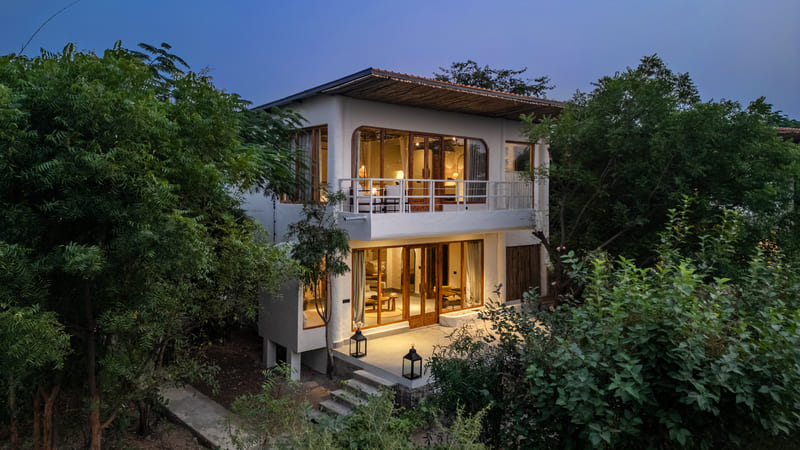
Utsav Camp Sariska sits ~7 km from the Tehla gate, close enough to reach Kankwari Fort, Neelkanth Mahadev Temple, and the Mansarovar and Mallana water bodies without a long drive back after each excursion. The Stone Cabins, Forest Bungalows, and Forest Villas sit among boulders and deciduous forest at the base of the Aravalli hills, each with air-conditioning and private outdoor seating.
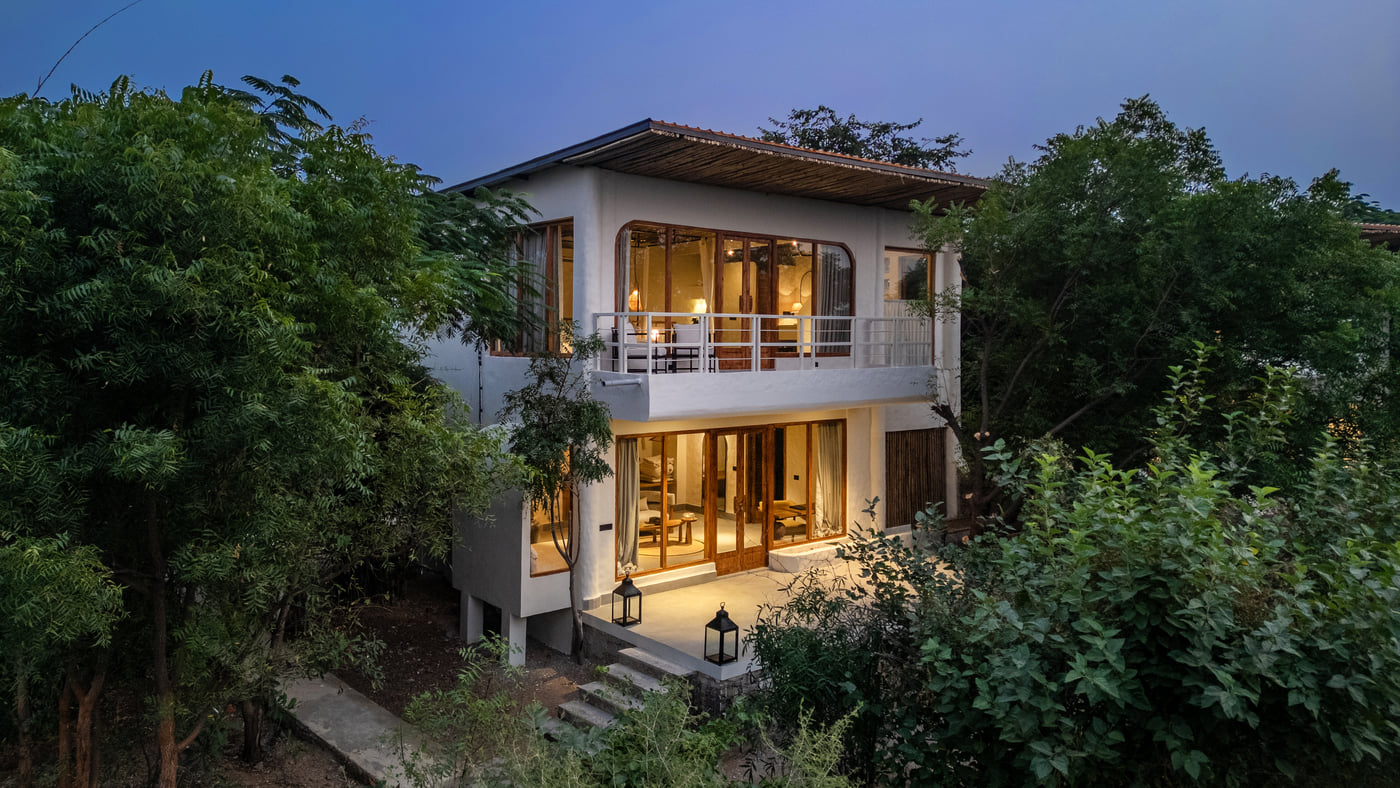
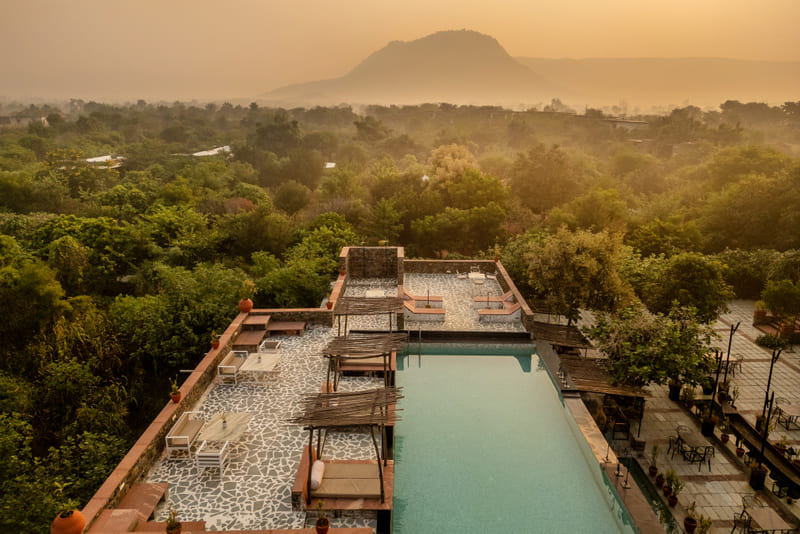
After a day among Sariska's forts and temples, the restaurant serves meals across multiple settings, from the rooftop to a private starlight dinner, and our outdoor pool offers a place to unwind before the evening's high tea. Utsav Camp follow eco-certified, solar-powered practices throughout the camp, keeping the Sariska safari and heritage sites nearby part of a wider, low-impact stay. Sariska's forts, temples, and lakes give a trip its history, and a quiet, nature-based base to return to each evening.
Sariska is a destination where wildlife, history, and tranquillity come together. From exploring the wilderness of Sariska Tiger Reserve and discovering the stories of ancient forts to visiting Tehla Fort, admiring the ancient Neelkanth Mahadev Temple, and enjoying the peaceful Mansarovar and Mallana water bodies, every experience offers a glimpse into the region's diverse charm. After a day of exploration, retreat to the comfort of Utsav Camp Sariska, where warm hospitality and thoughtfully designed spaces create the perfect setting to relax and reconnect with nature. Surrounded by the beauty of Rajasthan's landscapes, the resort offers a peaceful base for travellers looking to experience Sariska at a leisurely pace. Whether you are planning a wildlife getaway, a heritage journey, or a quiet escape amidst the Aravallis, Sariska promises an experience filled with discovery, serenity and unforgettable memories.
FAQs About Sariska Travel Guide
What are the places to visit near Sariska?
Travellers visiting Sariska can also explore Tehla Fort, Neelkanth Mahadev Temple, Mansarovar, and Mallana water bodies, Alwar, and Neemrana, each offering unique heritage and natural experiences.
What makes Sariska Tiger Reserve special?
Sariska Tiger Reserve is known for its wildlife experiences, scenic landscapes, and the opportunity to explore the natural beauty of the Aravalli Hills.
How many days are enough to explore Sariska?
A couple of days are ideal to experience Sariska’s wildlife, heritage sites, temples, lakes, and nearby attractions at a relaxed pace.
What is the best time to visit Sariska?
The winter months from October to March are ideal for visiting Sariska as the weather is pleasant for sightseeing and outdoor exploration.
What can travellers expect from a stay near Sariska?
Staying near Utsav Camp Sariska offers easy access to the region’s wildlife, heritage attractions, and natural surroundings, allowing travellers to enjoy a peaceful getaway.