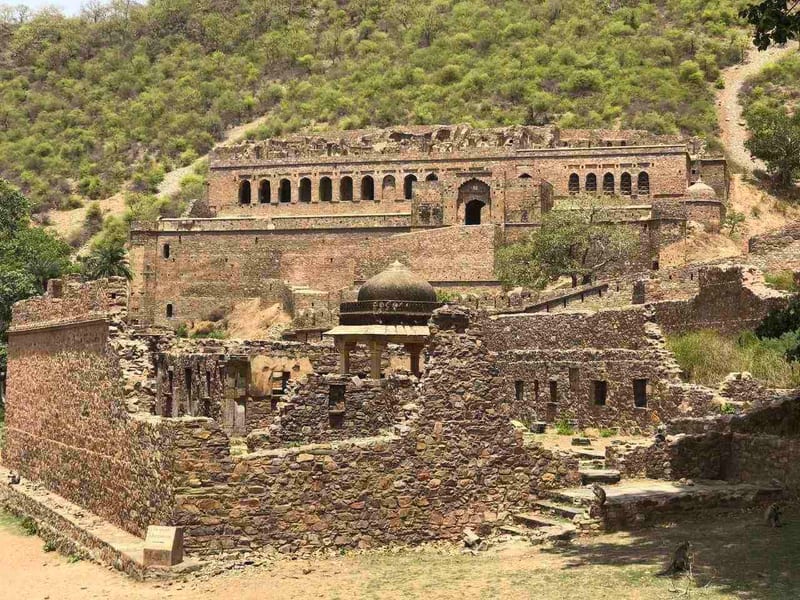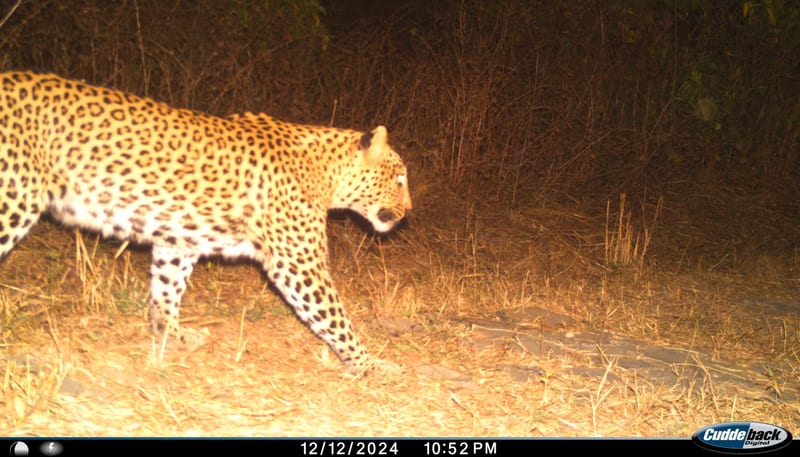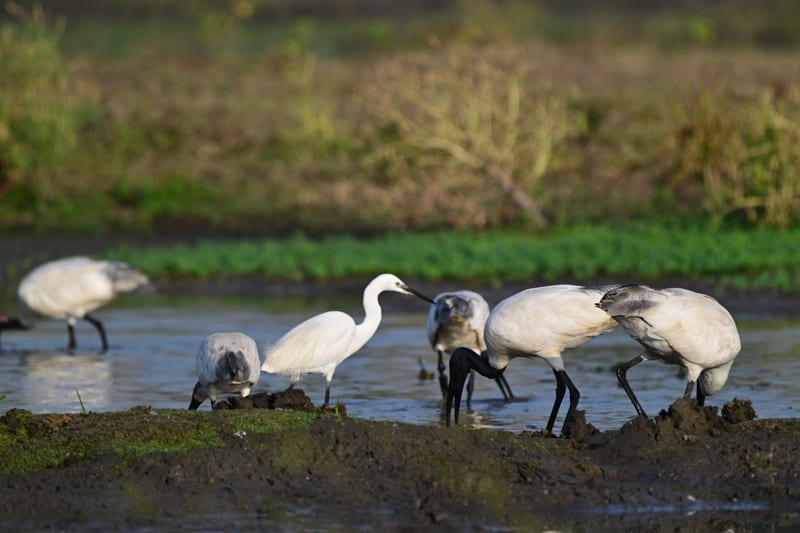
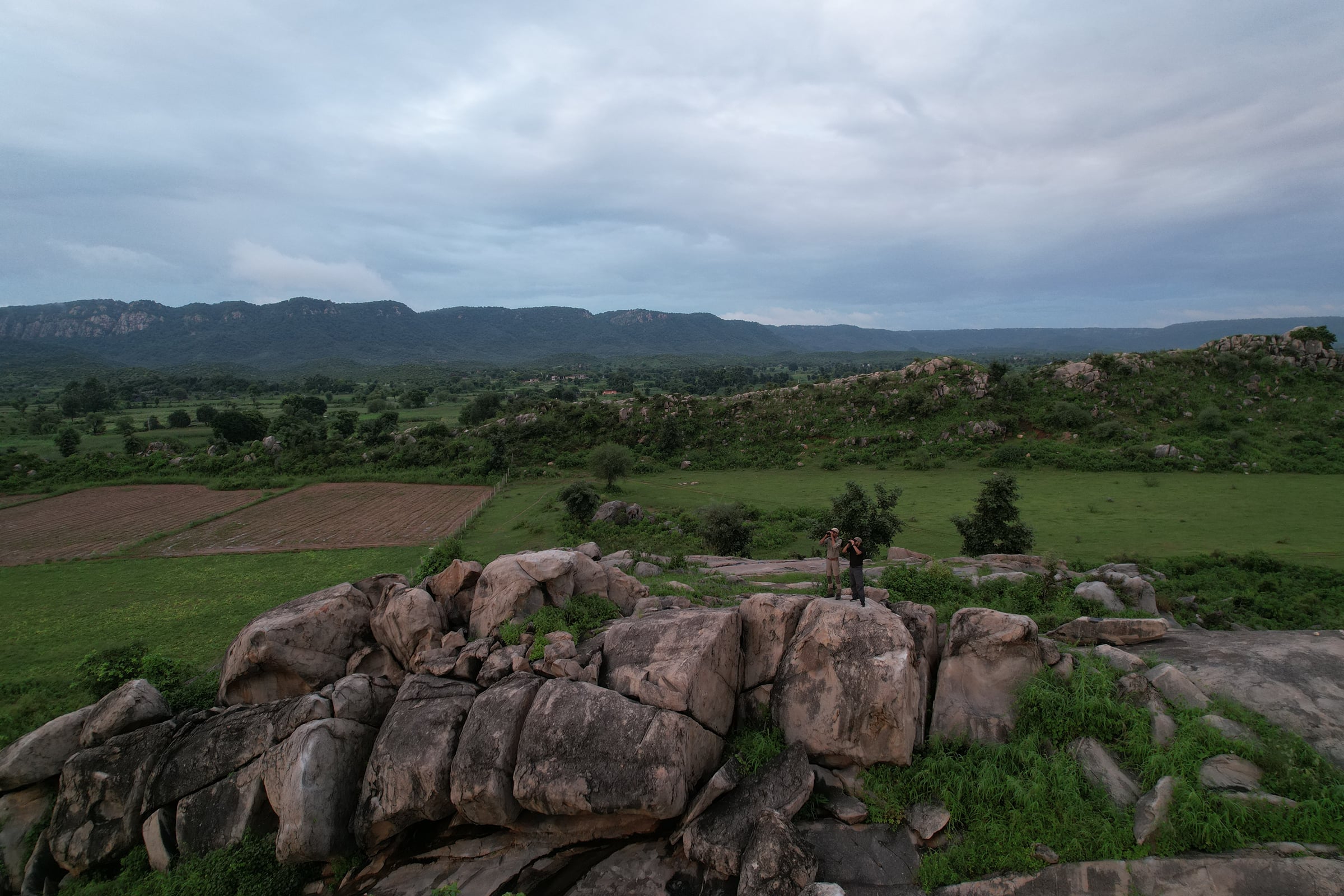
Sariska Tiger Reserve is home to 56 tigers as of June 2026, and not so long ago it had none. By 2005, poaching had emptied this dry deciduous forest of dhok trees and Aravalli rock, the very place set aside to protect them. So the answer to how many tigers in Sariska is also the story of a comeback, one that began with a helicopter flight from Ranthambore.
Every tiger here today descends from the handful flown in that way, which gives a sighting in this forest a weight it would not carry elsewhere. This is how they came back, where they roam now, and when the forest gives you the best chance of meeting one.
What is the Number of Tigers in Sariska Tiger Reserve Today?
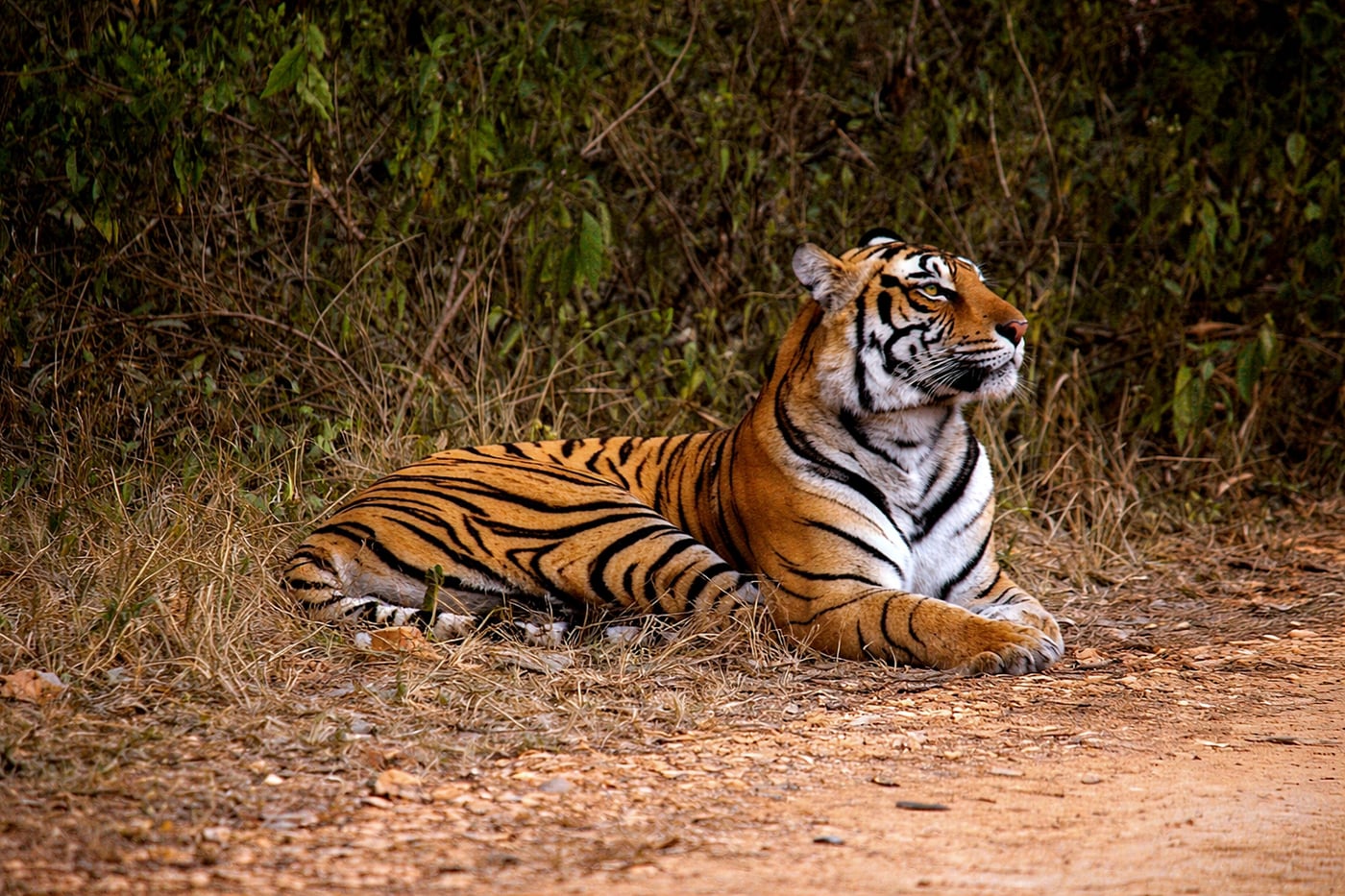
The figure of 56 was last verified in June 2026, and it changes with every new litter. Those tigers range across a reserve of about 1,213 sq. km, with about 881 sq. km of it being core habitat, according to the National Tiger Conservation Authority.
The Authority’s periodic tiger estimations give the national picture, while the state forest department and Sariska’s own officials report the changes in between. To see why each of these numbers matters so much here, you have to go back to the years when the count fell to zero.
Did Sariska Really Lose Every Tiger?
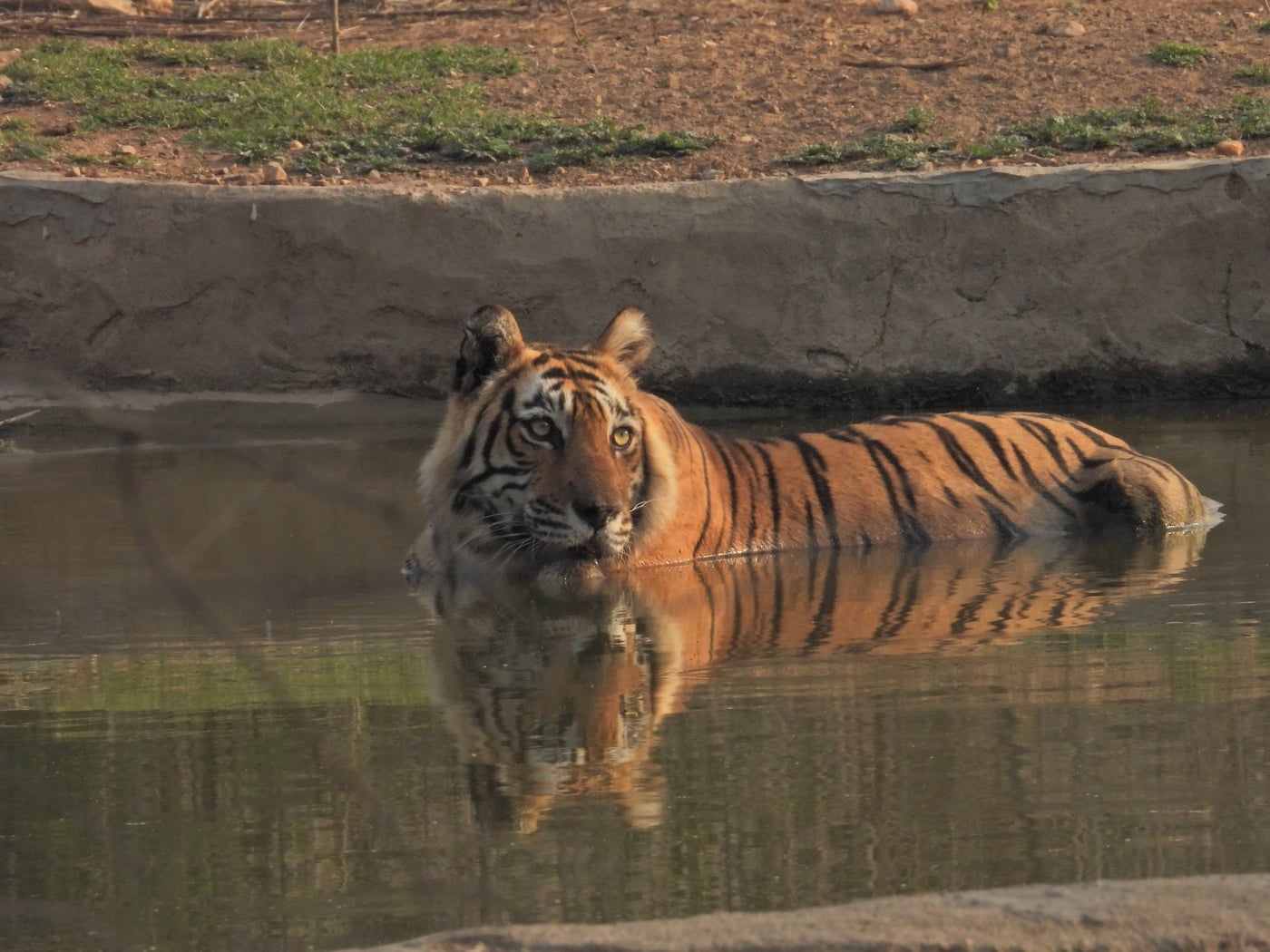
It did. This forest was once a hunting ground for the rulers of Alwar, recognised as a wildlife reserve in 1955 and brought under Project Tiger as a tiger reserve in 1978. None of that stopped the poachers.
By 2004, rangers and researchers suspected the worst. In January 2005, Rajasthan declared the tigers gone, and by February a central team had confirmed it. The tiger population in Sariska had reached 0, in the one place created to keep it safe, and the reserve had lost the animal its protected status was built around. What came next had never been tried anywhere in the world.
How Did Tigers Come Back from Ranthambore?
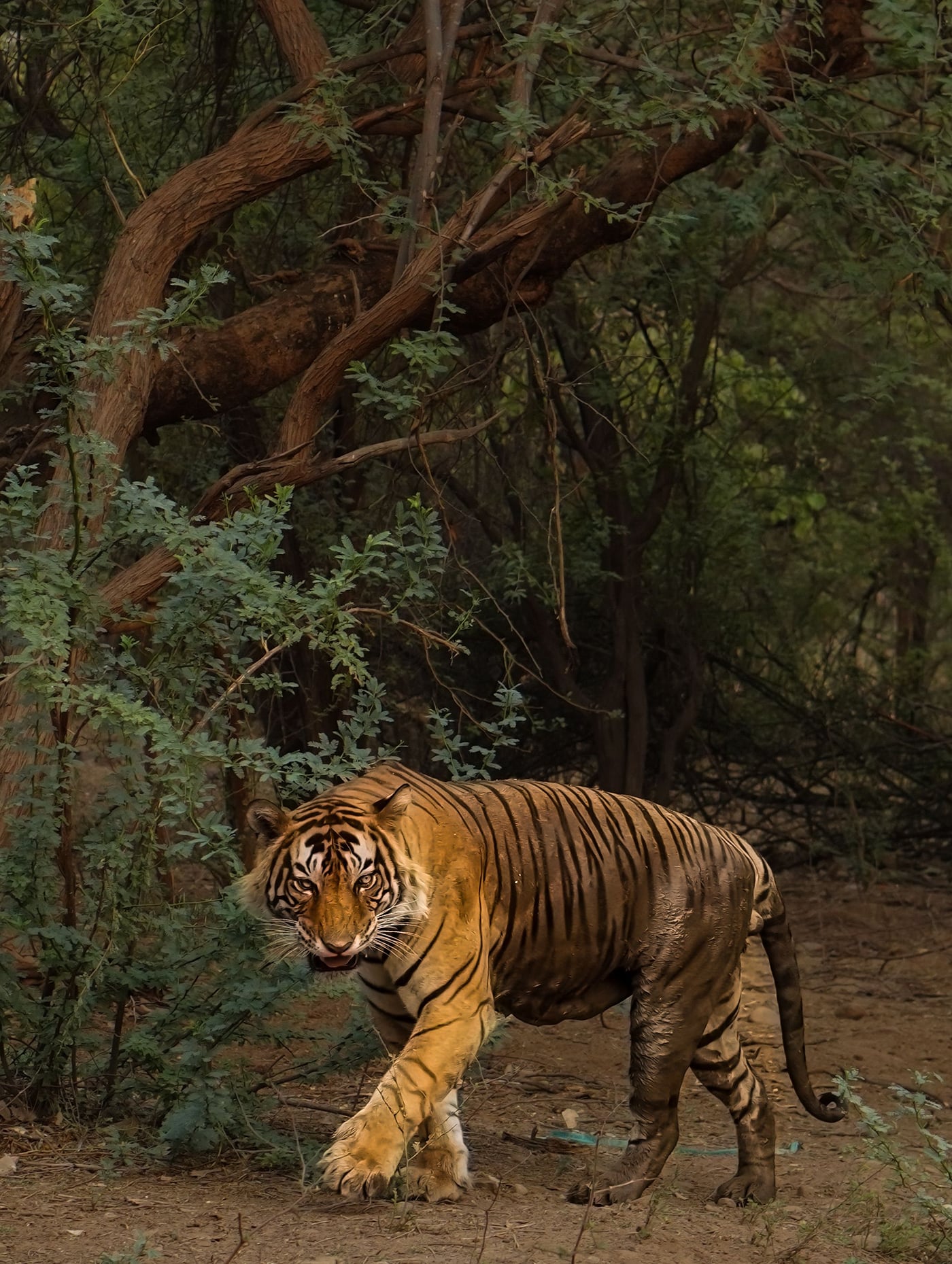
On 28 June 2008, a helicopter carried a male tiger named ST-1 from Ranthambore into the empty reserve, the first relocation of its kind. It was an untested and closely watched experiment. Days later, on 4 July, ST-2 followed as the first tigress brought back, and by 2011, 8 tigers had made the same journey.
Radio collars and camera traps tracked their movements, while increased patrolling stood guard against the poaching that had emptied the forest before. The moment that mattered came in 2012, when ST-2 gave birth to 2 cubs, the first born wild in Sariska in over a decade and the proof that the reintroduction had taken hold.
She went on to become the matriarch of the reserve’s tigers, and when she died in 2024 at the age of 19, her line was still walking this forest. Among the tigers in Rajasthan, this history sets these animals apart. It is the real difference in the Sariska vs Ranthambore question: one reserve is famous for its encounters and the other for getting its tigers back, and the recovery has since become a reference point across India’s tiger reserves.
How Has the Sariska Tiger Count Climbed Since 2005?
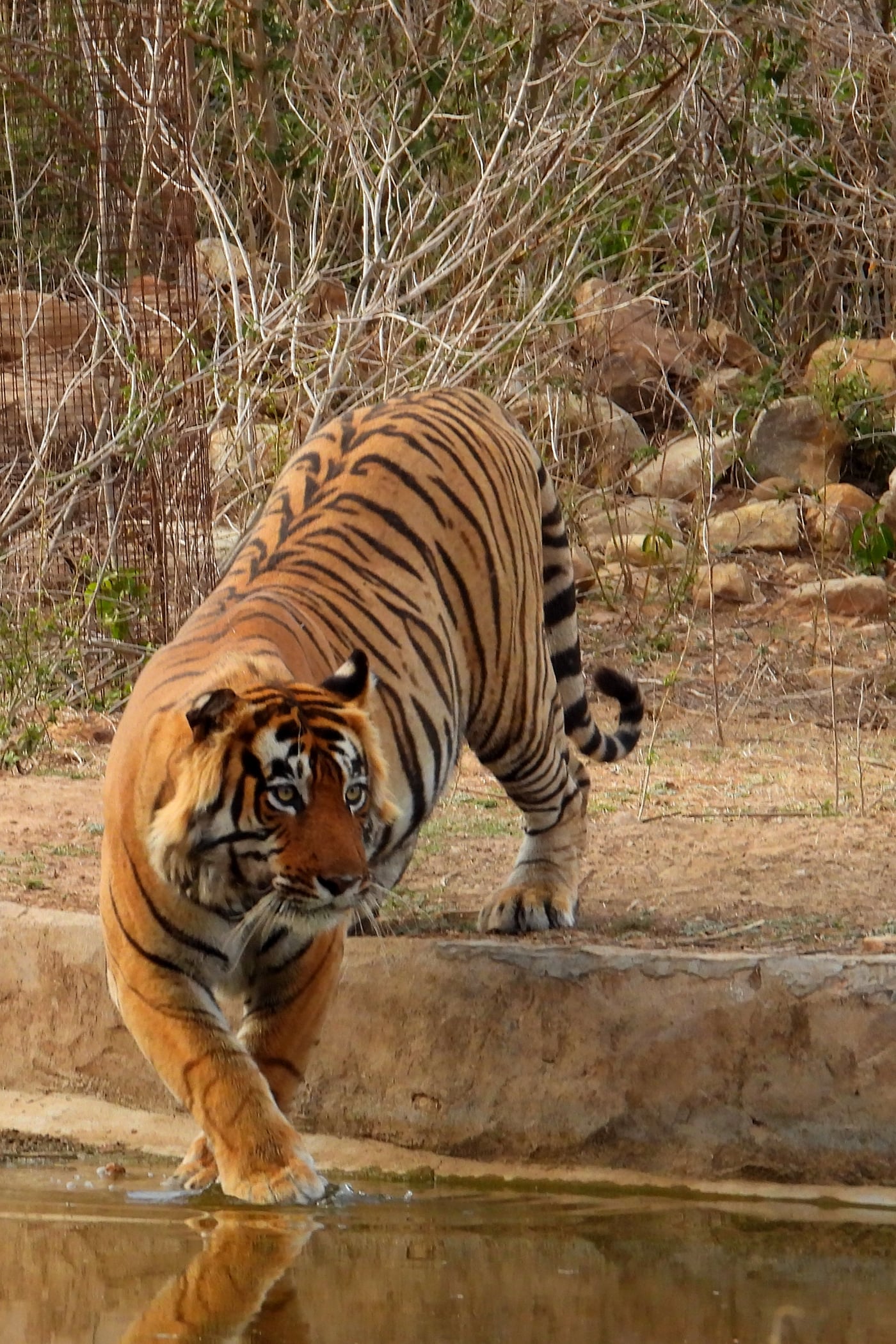
From those 2 cubs, the numbers began to climb, and they have climbed every year since.
- 2005: 0 tigers
- 2008: 2 tigers, both flown in from Ranthambore
- 2018: 18 tigers, a decade into the effort
- June 2025: 49 tigers
- March 2026: 52 tigers
- June 2026: 56 tigers
About 2/3 of that climb has come since 2018, as resident tigresses raised litters in the same zones where their predecessors once vanished. All of which leads to the practical question of where to look for them.
Where is a Tiger Sighting in Sariska Most Likely?
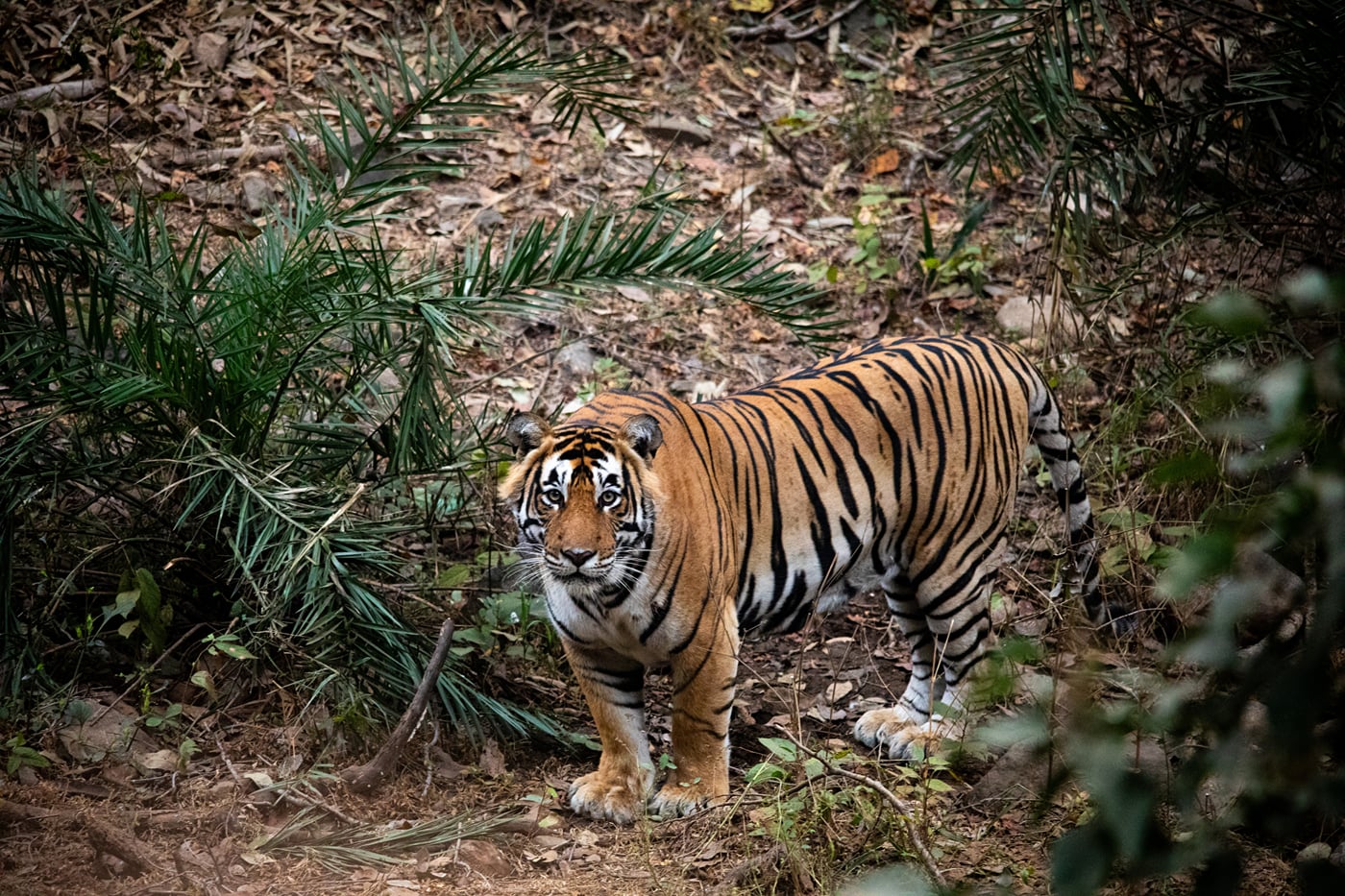
Not in any one corner, as it turns out. Sariska’s 5 safari zones are split between 2 gates, with Zones 1, 2, and 3 reached from Sariska Gate and Zones 4 and 5 from Tehla Gate, but several resident tigers range between the 2, which keeps the odds broadly comparable across the core.
Only about 4.8% of that core habitat is open to safaris, home to around 16 tigers, a deliberate limit that leaves the rest of the forest undisturbed. No zone can promise a tiger on a given drive, and a sighting comes down to timing and luck. Timing, at least, is something you can plan for.
Which Months Bring Tigers to the Waterholes?
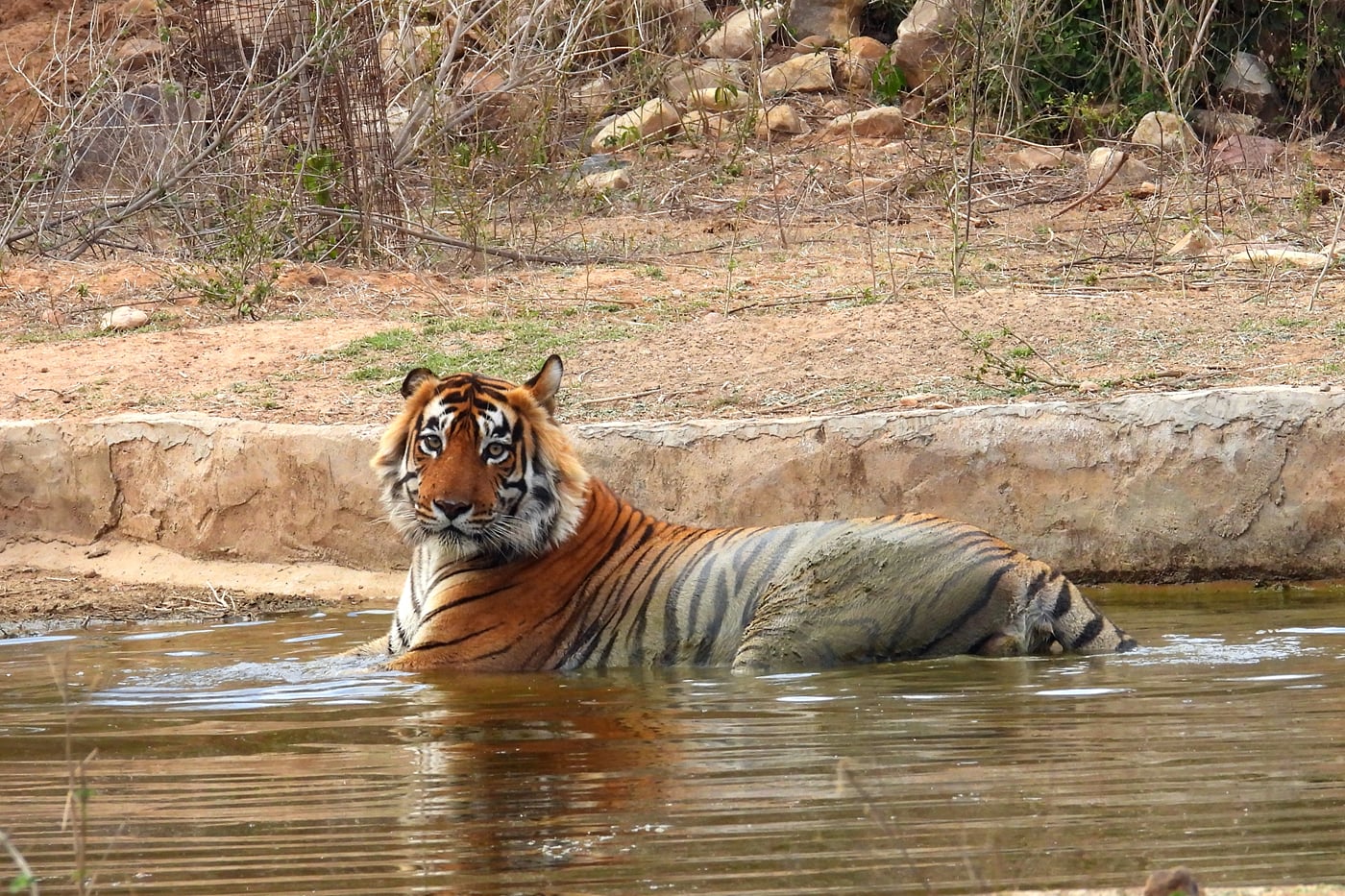
The season shapes both what you are likely to see and how comfortable you will be seeing it.
- March to June: The heat draws animals to the water and the dry, thinning cover opens up the view, which makes these the strongest months for tiger watching.
- October to March: This is the most comfortable stretch of the year for a safari.
- July to September: The reserve closes for the monsoon.
- Wednesdays: Safaris do not run on this day of the week, even in the open season.
Morning and evening slots shift across the year too, with the month-by-month timings set out in one table on the safari guide.
What Does a Morning on the Track Ask of You?
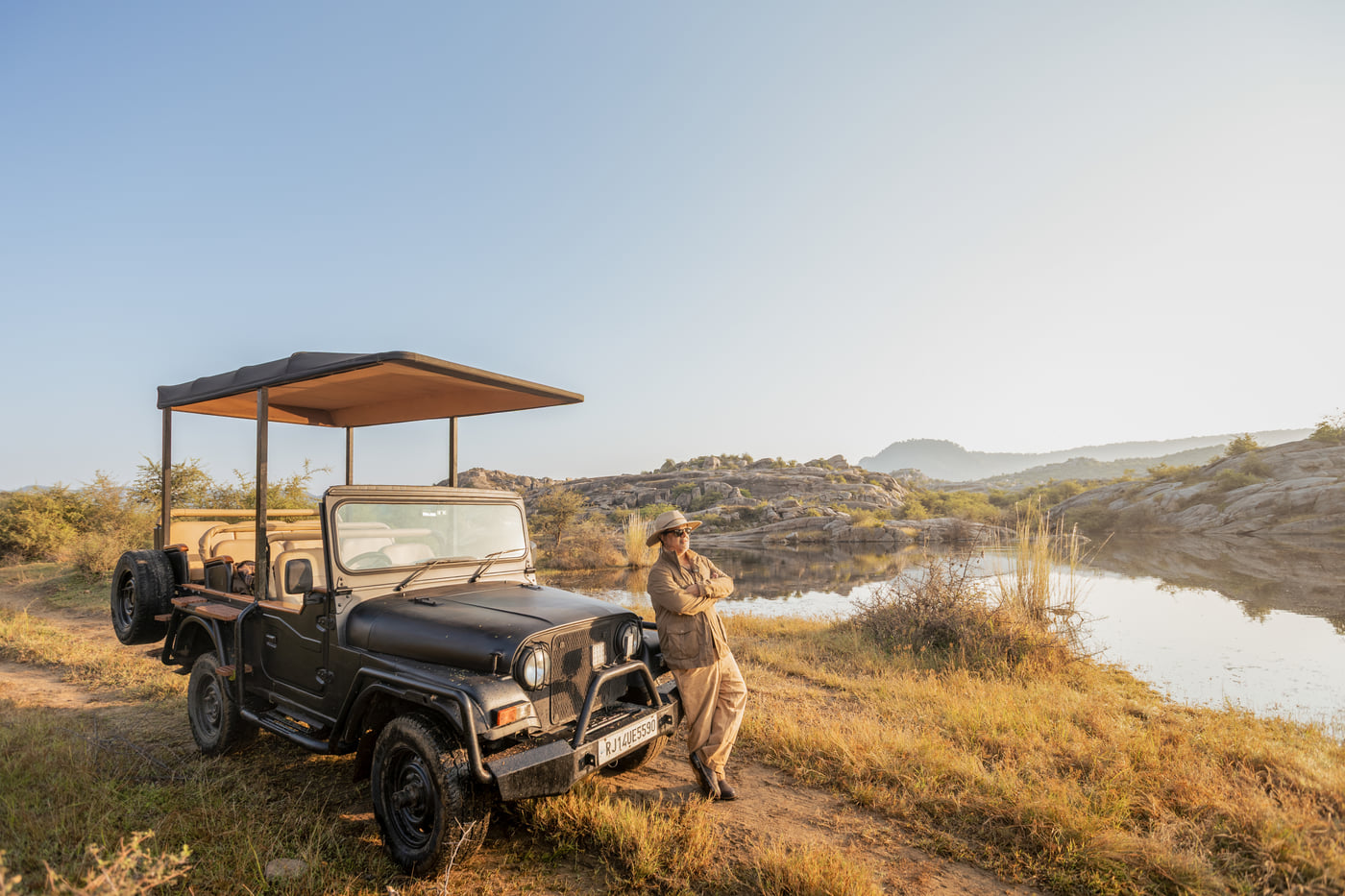
Whichever month you choose, you will enter the forest by jeep or canter, with guides and naturalists aboard to read it and explain its plant and animal life. Slots are limited and fill quickly on weekends and holidays, so booking at least a week in advance is recommended.
Once inside, the rules are simple: keep silent, leave no litter, and respect the ecosystem you have come to see. And since the first drive of the day starts early, it helps to stay close to the gate.
Staying at the Tehla End of the Tiger Story
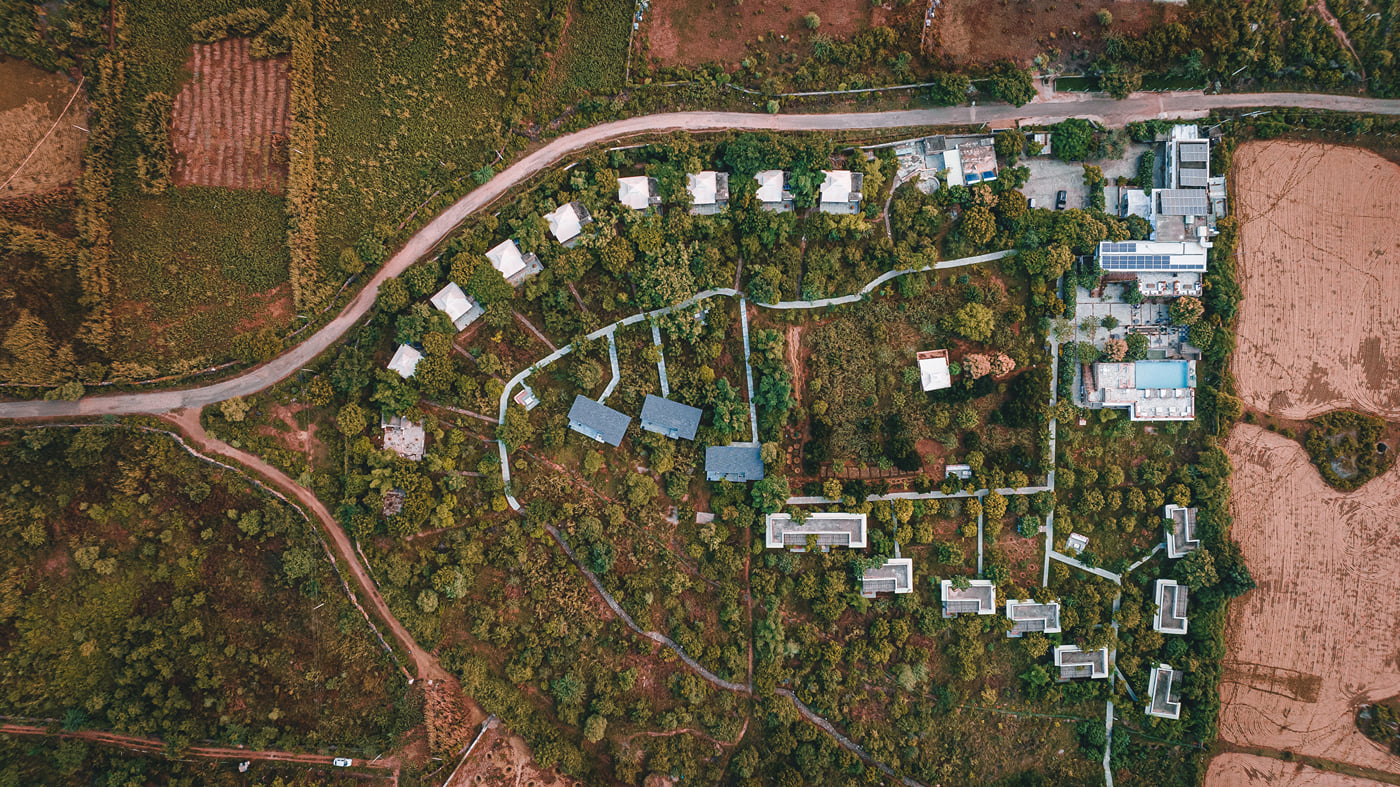
Utsav Camp Sariska lies on 7 hectares of boulder-strewn forest at the edge of the reserve, about 7 km from Tehla Gate, roughly a 10-minute drive for the first slot of the day. We book safaris, so the drive and the stay sit in one place.
Our 18 accommodations: 9 Stone Cabins, 3 Forest Bungalows, and 6 Forest Villas, are spread across that land for privacy and quiet. When you come back from a drive, Forest Lounge, our rooftop restaurant, waits with panoramic views and Indian and international dishes made with produce from our pesticide-free garden.
Some meals move outdoors altogether, with Breakfast in the Wilderness and Starlight Camp Dinners, and between safaris our rangers lead wilderness walks and drives. They also document local wildlife with camera traps, and the Sampat Wildlife Foundation, which we operate, carries that conservation work forward.
So, how many tigers in Sariska are there? The reserve recorded 56 as of June 2026, a remarkable recovery from having no tigers in 2005. The population continues to grow with new litters, although reaching this number took nearly 2 decades. Every tiger here traces its lineage to the animals relocated from Ranthambore, making Sariska’s recovery an extraordinary chapter in India’s conservation story. Spotting one still depends on timing and luck, which makes planning multiple safaris worthwhile.
Located about 7 km from Tehla Gate, Utsav Camp Sariska puts you close to the forest and its wildlife. Book a stay and leave room in your itinerary for more than one morning safari through the landscape that brought its tigers back.
Frequently Asked Questions (FAQs)
How many tigers are there in Sariska Tiger Reserve in 2026?
Sariska Tiger Reserve has 56 tigers on the count as of June 2026. The figure moves with every new litter.
Did Sariska really have zero tigers?
Yes, the loss of every tiger was confirmed in 2005, after years of poaching. Rajasthan declared the tigers gone that January, and a central team confirmed it by February.
When did tigers return to Sariska?
Tigers returned in 2008, when ST-1 was flown in from Ranthambore on 28 June, and ST-2 followed on 4 July. The first cubs born after the reintroduction arrived in 2012.
Which zone is best for tiger sightings in Sariska?
No zone can promise a tiger, and the odds stay broadly comparable across the core because several resident tigers range between Sariska Gate and Tehla Gate. A sighting comes down to timing and luck more than the choice of zone.
Where is the official tiger count published?
National figures come from the National Tiger Conservation Authority’s periodic tiger estimations. The changes in between are reported by the state forest department and Sariska’s own officials.
Where should I stay for a tiger safari in Sariska?
A base on the Tehla side keeps the drive to the gate short, which helps with the first slot of the day. Utsav Camp Sariska sits about 7 km from Tehla Gate, with Stone Cabins, Forest Bungalows, and Forest Villas across 7 hectares of forest, and books safaris in-house.