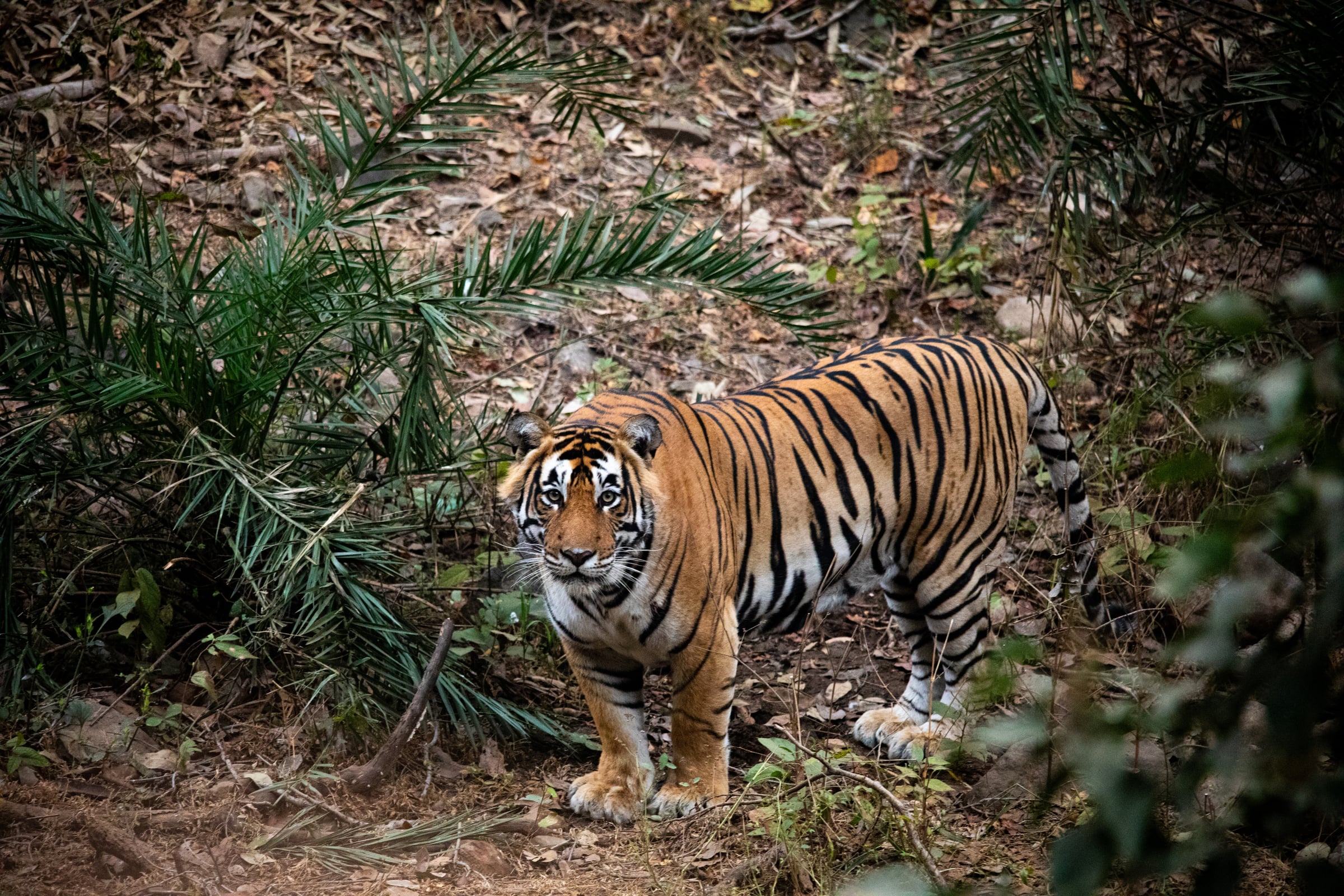
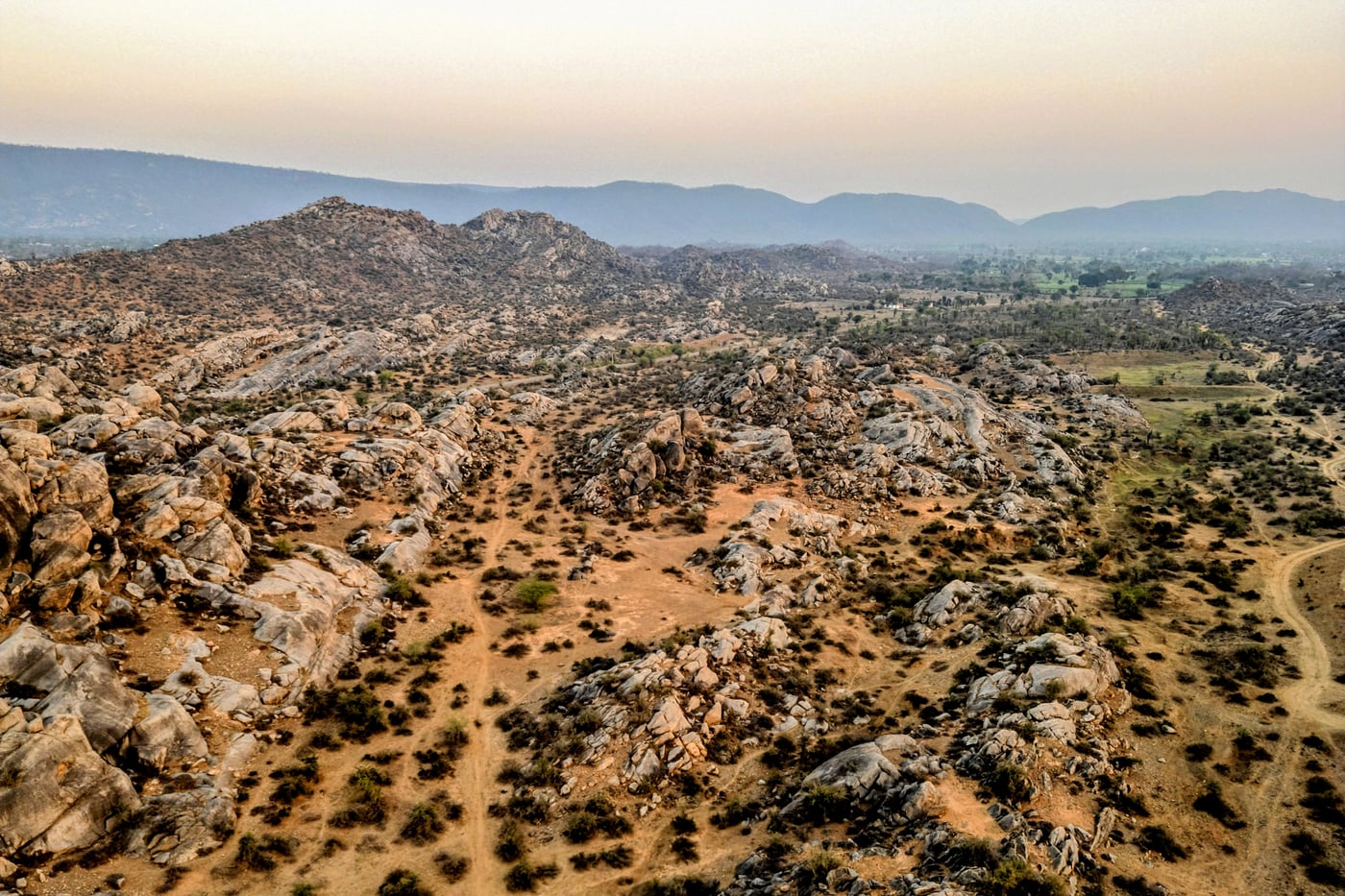
There are 58 tiger reserves in India, spread across 18 tiger-range states and covering around 85,000 sq km of forest. The reserves form part of Project Tiger and are notified under the Wildlife (Protection) Act, 1972, with the National Tiger Conservation Authority (NTCA) overseeing their management and monitoring. The newest is Madhav in Madhya Pradesh, which was added to the network in 2025. Together, the reserves span some of India's most varied landscapes, from the Sundarban mangroves to the dry Aravalli hills of Rajasthan.
That variety is the part worth paying attention to, because "tiger reserve" is one label covering very different places. Some are famous for sheer numbers, others for landscape, and a few for recovering from total loss. Knowing the difference decides whether you see a tiger or simply spend a day in a nice forest.
How Many Tiger Reserves Are in India
Here's how many tiger reserves in India exist today: 58, as notified by the National Tiger Conservation Authority in 2025. The number of tiger reserves in India keeps growing, with Ratapani and Guru Ghasidas-Tamor Pingla added in 2024.
Together, the 58 reserves cover some 84,487 sq. km. of protected forest across the country. Nagarjunsagar Srisailam in Andhra Pradesh is the largest at 3,296 sq. km., and Orang in Assam the smallest at 492 sq. km. Madhya Pradesh holds more of them than any other state, with 9 inside its borders.
Project Tiger and Who Runs the Network Now
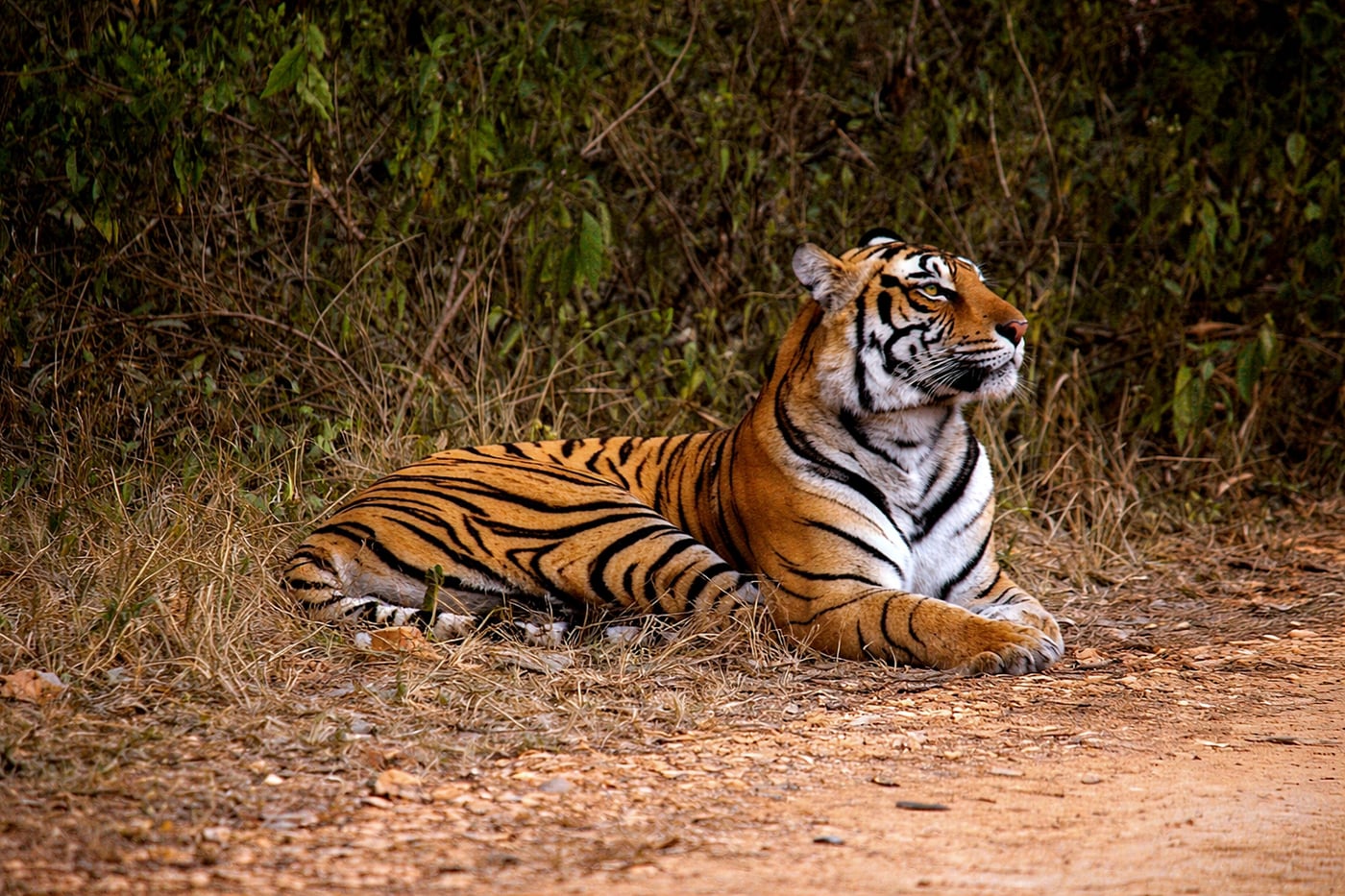
Project Tiger launched in 1973 with 9 reserves, at a time when India's tiger population had collapsed to roughly 1,800 animals. The programme created a dedicated conservation framework for the species, rather than leaving its protection to general forest management.
The National Tiger Conservation Authority took over statutory oversight in 2006, under an amendment to the Wildlife Protection Act of 1972. It notifies the reserves, sets the monitoring protocol, and runs the national tiger estimation exercise. Our guide to tiger conservation in India covers that history in a good deal more detail.
Famous Tiger Reserves in India
The famous tiger reserves in India tend to be well-known for different reasons, and it is worth knowing which. These are the names that carry most of the country's wildlife tourism between them today:
- Corbett in Uttarakhand: India's oldest national park and the reserve with the highest tiger count
- Bandhavgarh in Madhya Pradesh: known for tiger density rather than total numbers
- Kanha in Madhya Pradesh: sal forest and meadow, and the last refuge of the barasingha
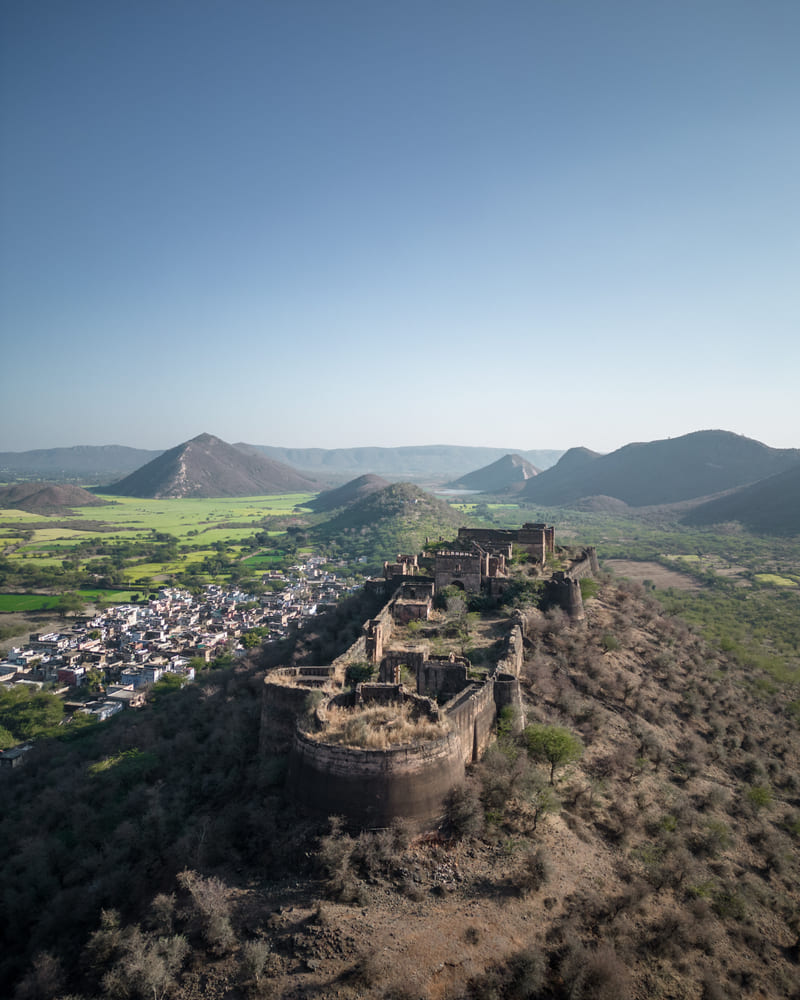
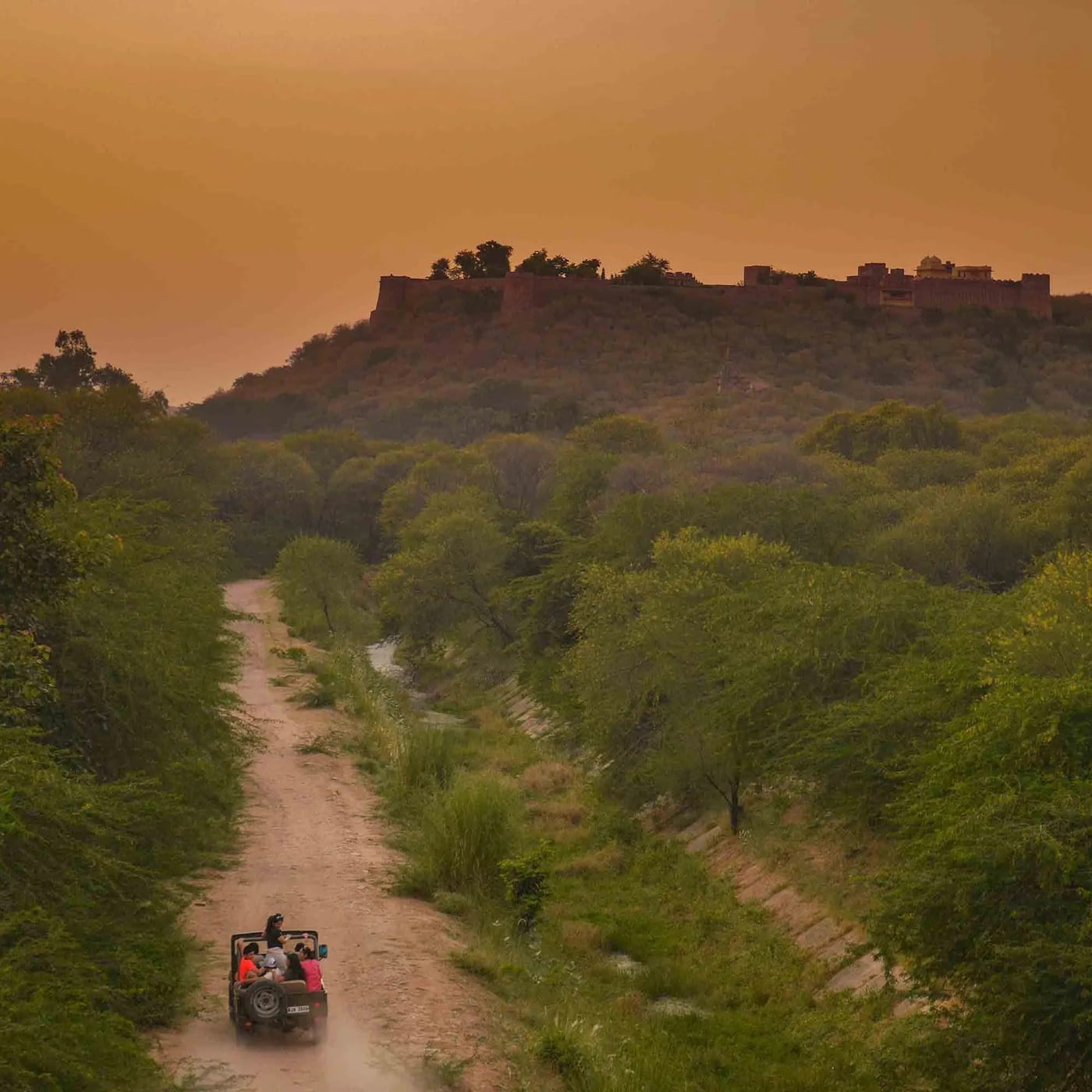
- Ranthambore in Rajasthan: dry forest wrapped around a 10th-century fort
- Kaziranga in Assam: better known for the one-horned rhino but a tiger reserve too
- Sundarbans in West Bengal: mangrove country where tigers swim between islands
- Periyar in Kerala: hill forest around a reservoir, walked more often than driven
- Sariska in Rajasthan: the closest tiger reserve to Delhi and the site of a full reintroduction
Tiger Reserves in Rajasthan
Rajasthan has 5 reserves, which is more than most people expect of a desert state. Ranthambore is the best-known reserve at 1,411 sq. km., followed by Ramgarh Vishdhari, Sariska, Dholpur-Karauli, and Mukundara.
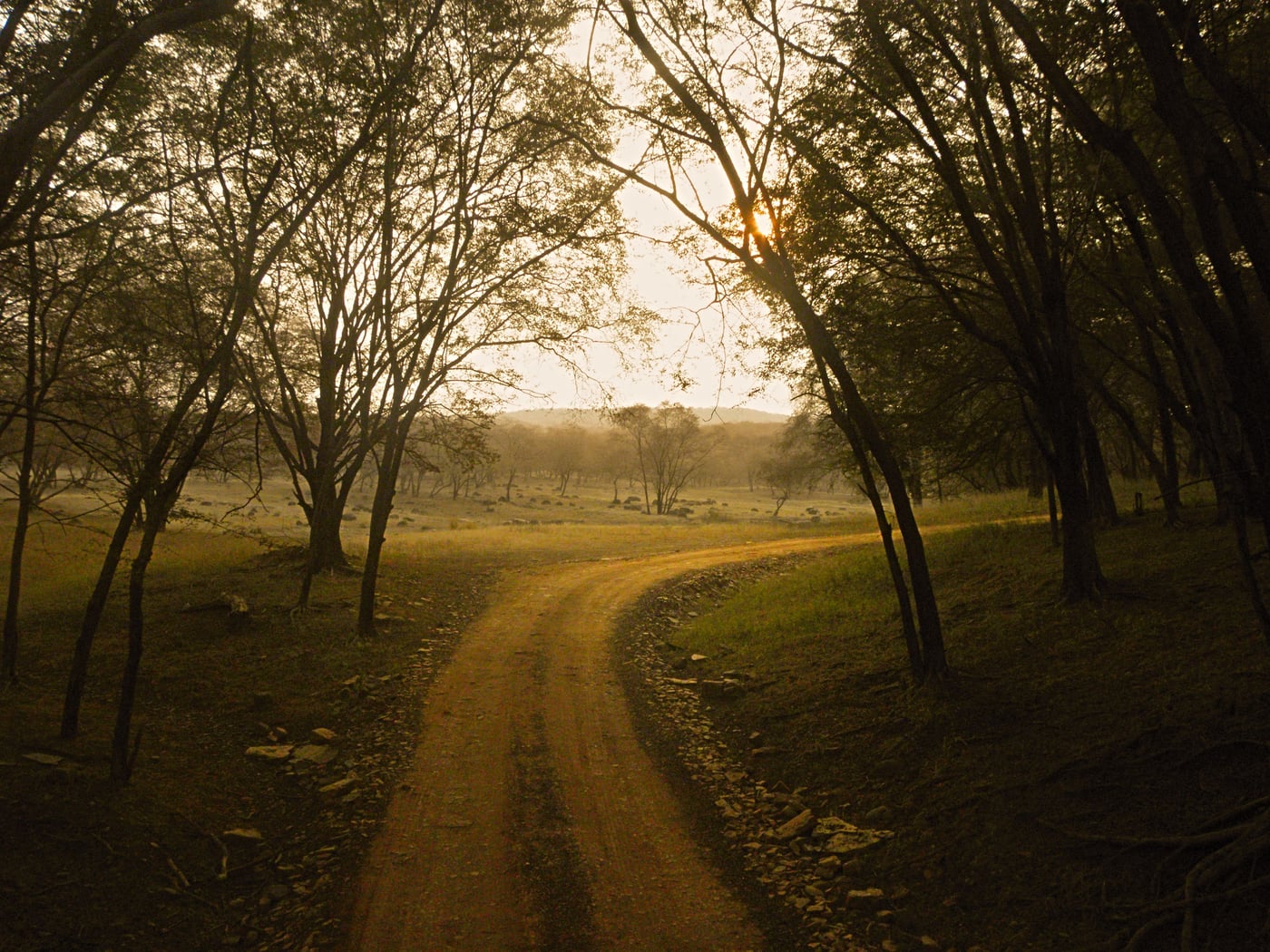
They sit in dry deciduous and scrub forest rather than jungle, which makes sightlines longer and wildlife easier to watch. Our guide to tiger reserves in Rajasthan covers all 5 and the national parks alongside them.
A Word on Sightings & Where to See Tigers in India
No reserve can guarantee a sighting. Any operator claiming otherwise is selling something other than an honest wildlife trip. What differs are the odds and how much traffic is chasing the same tigers. Here's what we've noticed:
- Corbett: largest tiger population of any single reserve, strong odds, but heavy vehicle traffic on the same tracks.
- Bandhavgarh: highest tiger density, also strong odds, also crowded.
- Sariska, Mukundara, Satpura: much quieter, fewer vehicles, more unhurried drives, and guides who can linger at a sighting instead of moving straight on.
Sariska Tiger Reserve & the Reintroduction that Worked
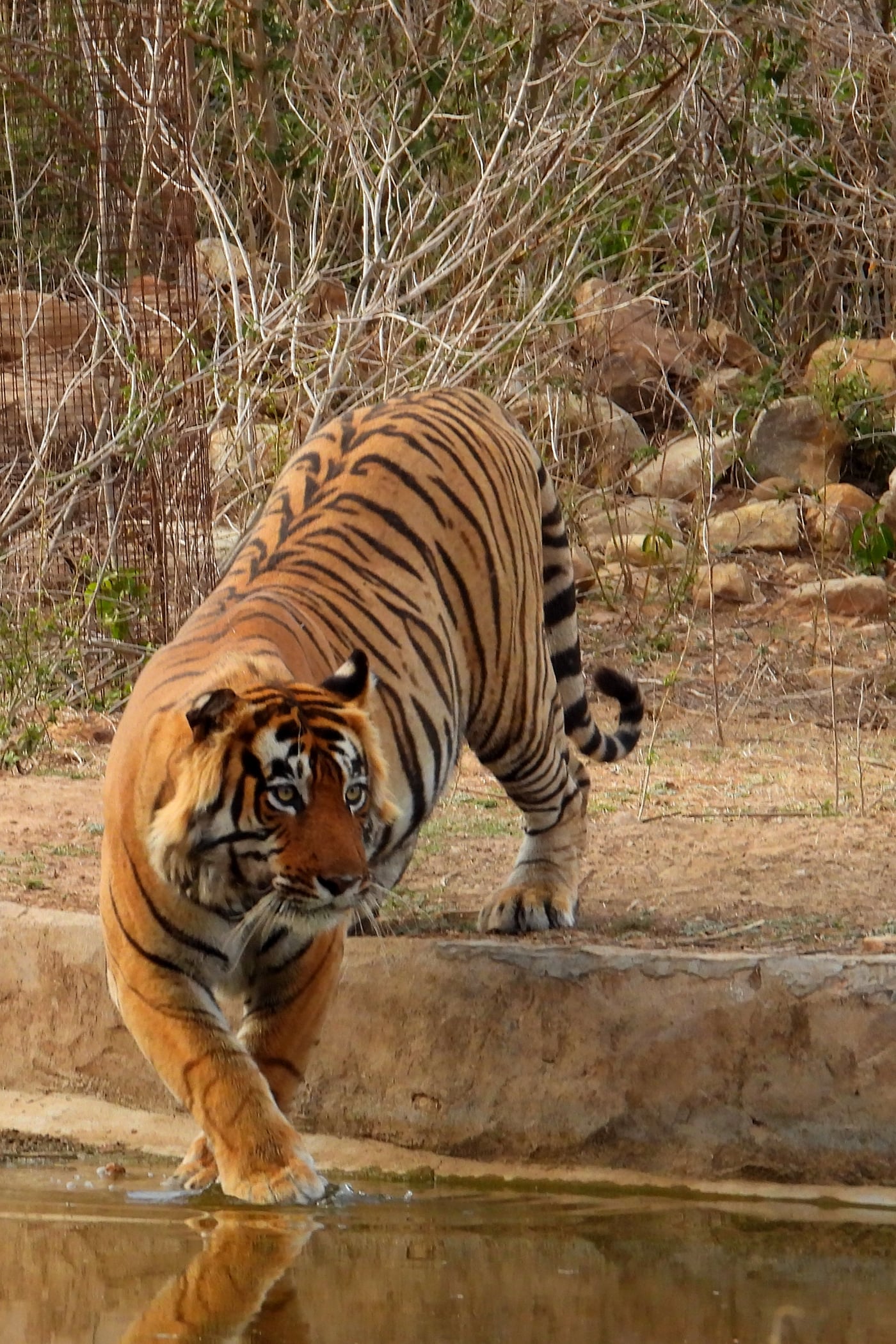
Sariska is the one reserve on this list with a story that no other can tell. By 2004, it had lost every tiger it held to poaching and to failures of protection.
Tigers were moved in from Ranthambore from 2008, in what became the world's first successful scientific tiger reintroduction. The population has been rebuilt since, and the reserve now holds 56 tigers across 1,213 sq. km. and 5 interconnected safari routes.
It is also the most reachable of the lot from the country's capital, roughly 233 km from Delhi. Our guides to tigers in Sariska and to Sariska and Ranthambore go further into the sightings and the comparison.
Tiger Reserves in India: The Full List
This is the complete tiger reserves in India list, as notified by the National Tiger Conservation Authority. The areas shown here are the total reserve area, with core and buffer zones combined.
| Tiger Reserve | State | Area (sq km) |
| Nagarjunsagar Srisailam | Andhra Pradesh | 3,296 |
| Kamlang | Arunachal Pradesh | 783 |
| Pakke | Arunachal Pradesh | 1,198 |
| Namdapha | Arunachal Pradesh | 2,053 |
| Nameri | Assam | 464 |
| Orang | Assam | 492 |
| Kaziranga | Assam | 1,174 |
| Manas | Assam | 2,837 |
| Valmiki | Bihar | 899 |
| Achanakmar | Chhattisgarh | 914 |
| Udanti Sitanadi | Chhattisgarh | 1,843 |
| Indravati | Chhattisgarh | 2,799 |
| Guru Ghasidas-Tamor Pingla | Chhattisgarh | 2,829 |
| Palamau | Jharkhand | 1,130 |
| Biligiri Ranganatha | Karnataka | 575 |
| Bhadra | Karnataka | 1,064 |
| Kali | Karnataka | 1,098 |
| Nagarhole | Karnataka | 1,206 |
| Bandipur | Karnataka | 1,456 |
| Parambikulam | Kerala | 644 |
| Periyar | Kerala | 925 |
| Pench | Madhya Pradesh | 1,180 |
| Ratapani | Madhya Pradesh | 1,271 |
| Bandhavgarh | Madhya Pradesh | 1,537 |
| Panna | Madhya Pradesh | 1,598 |
| Madhav | Madhya Pradesh | 1,651 |
| Sanjay-Dubri | Madhya Pradesh | 1,675 |
| Kanha | Madhya Pradesh | 2,052 |
| Satpura | Madhya Pradesh | 2,133 |
| Veerangana Durgavati | Madhya Pradesh | 2,339 |
| Pench | Maharashtra | 741 |
| Bor | Maharashtra | 816 |
| Sahyadri | Maharashtra | 1,166 |
| Tadoba-Andhari | Maharashtra | 1,728 |
| Nawegaon Nagzira | Maharashtra | 1,895 |
| Melghat | Maharashtra | 2,769 |
| Dampa | Mizoram | 988 |
| Satkosia | Odisha | 964 |
| Similipal | Odisha | 2,750 |
| Mukundara | Rajasthan | 760 |
| Dholpur-Karauli | Rajasthan | 1,058 |
| Sariska | Rajasthan | 1,213 |
| Ranthambore | Rajasthan | 1,411 |
| Ramgarh Vishdhari | Rajasthan | 1,502 |
| Mudumalai | Tamil Nadu | 689 |
| Srivilliputhur Megamalai | Tamil Nadu | 1,017 |
| Sathyamangalam | Tamil Nadu | 1,408 |
| Anamalai | Tamil Nadu | 1,480 |
| Kalakad Mundanthurai | Tamil Nadu | 1,602 |
| Kawal | Telangana | 2,015 |
| Amrabad | Telangana | 2,611 |
| Ranipur | Uttar Pradesh | 529 |
| Pilibhit | Uttar Pradesh | 730 |
| Dudhwa | Uttar Pradesh | 2,202 |
| Rajaji | Uttarakhand | 1,075 |
| Corbett | Uttarakhand | 1,288 |
| Buxa | West Bengal | 758 |
| Sundarban | West Bengal | 2,585 |
Explore Sariska's Wild with Utsav Camp
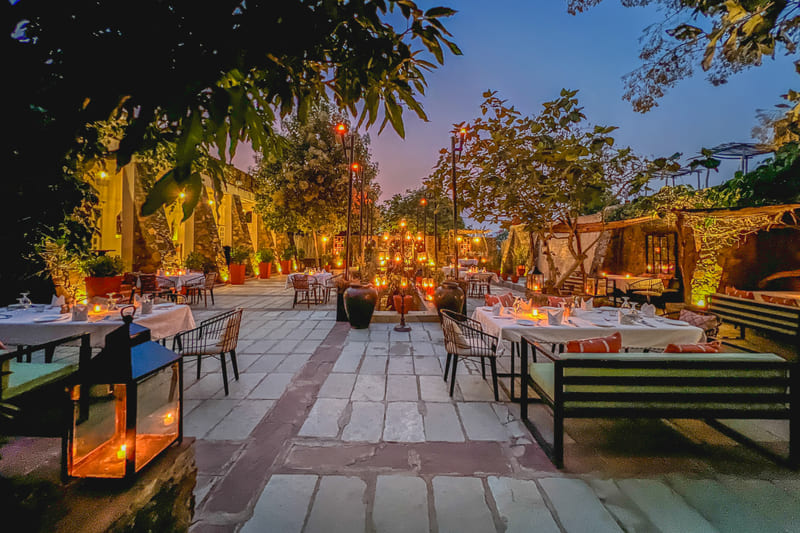
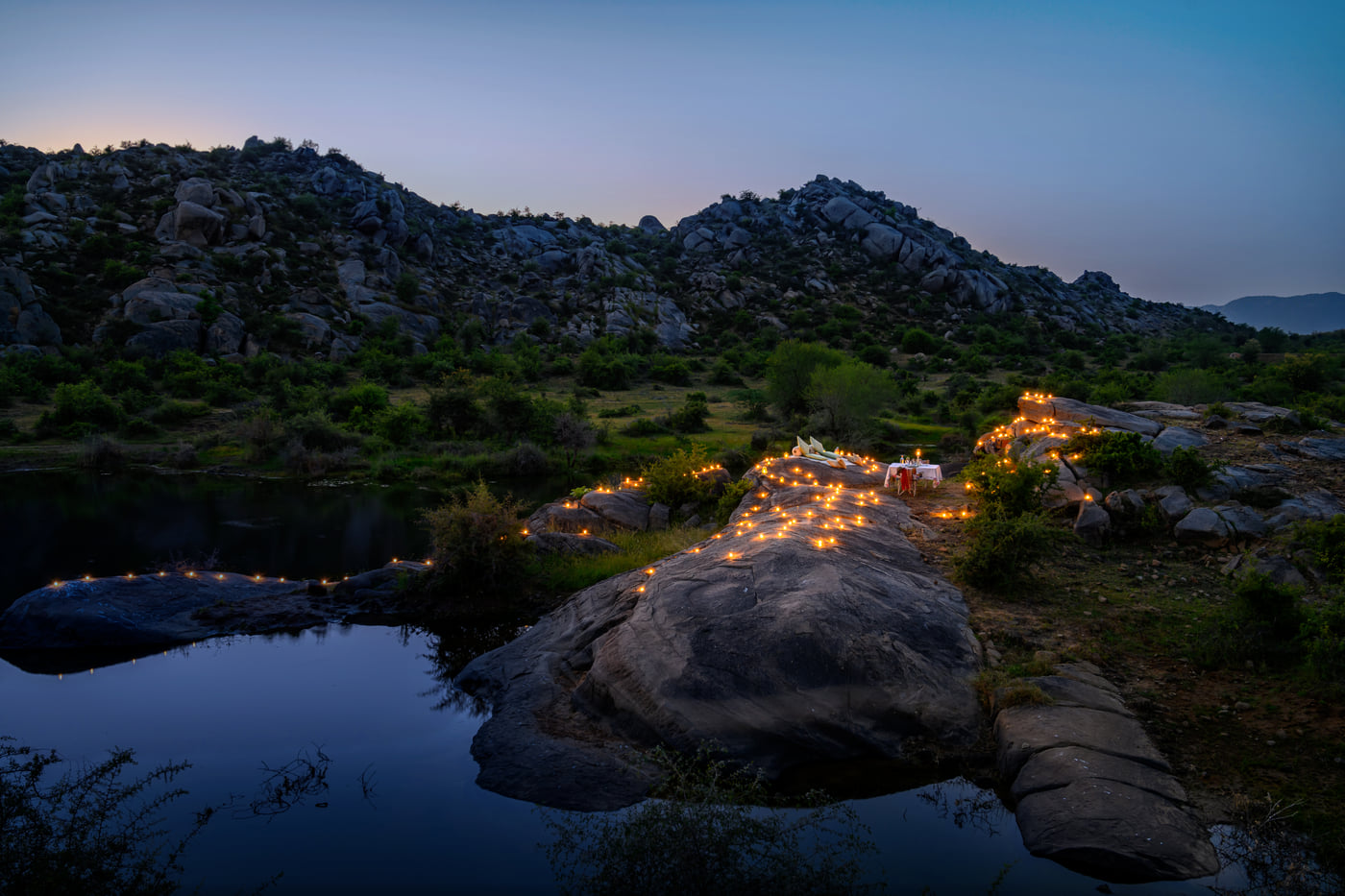
If Sariska is the reserve you pick, then the gate you use decides your morning. Utsav Camp Sariska sits approximately 7 km from the Tehla Gate, about 10 minutes away, on 7 hectares of boulder-strewn deciduous forest.
There are 18 accommodations across 3 types, and you can stay at Utsav Camp Sariska in any of them. The choice runs from a 900 sq. ft. Stone Cabin to an 1,800 sq. ft. Forest Villa. All of them are air-conditioned, and every one has its own private outdoor seating area.
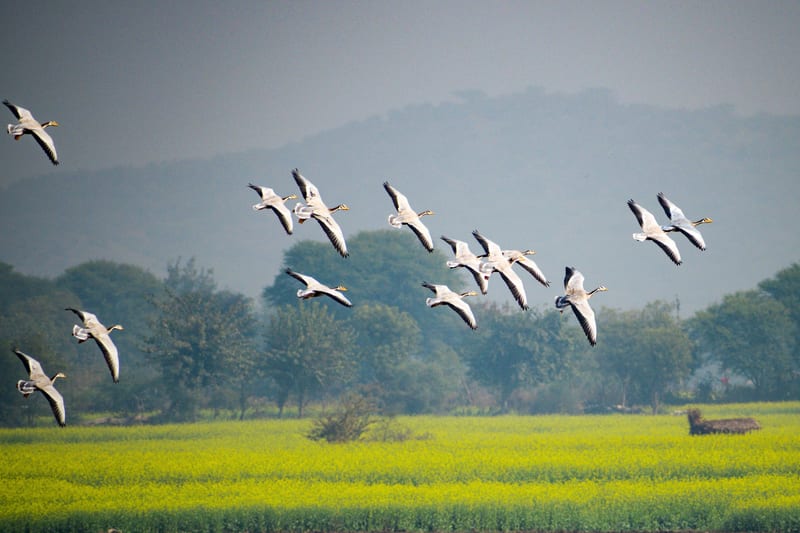
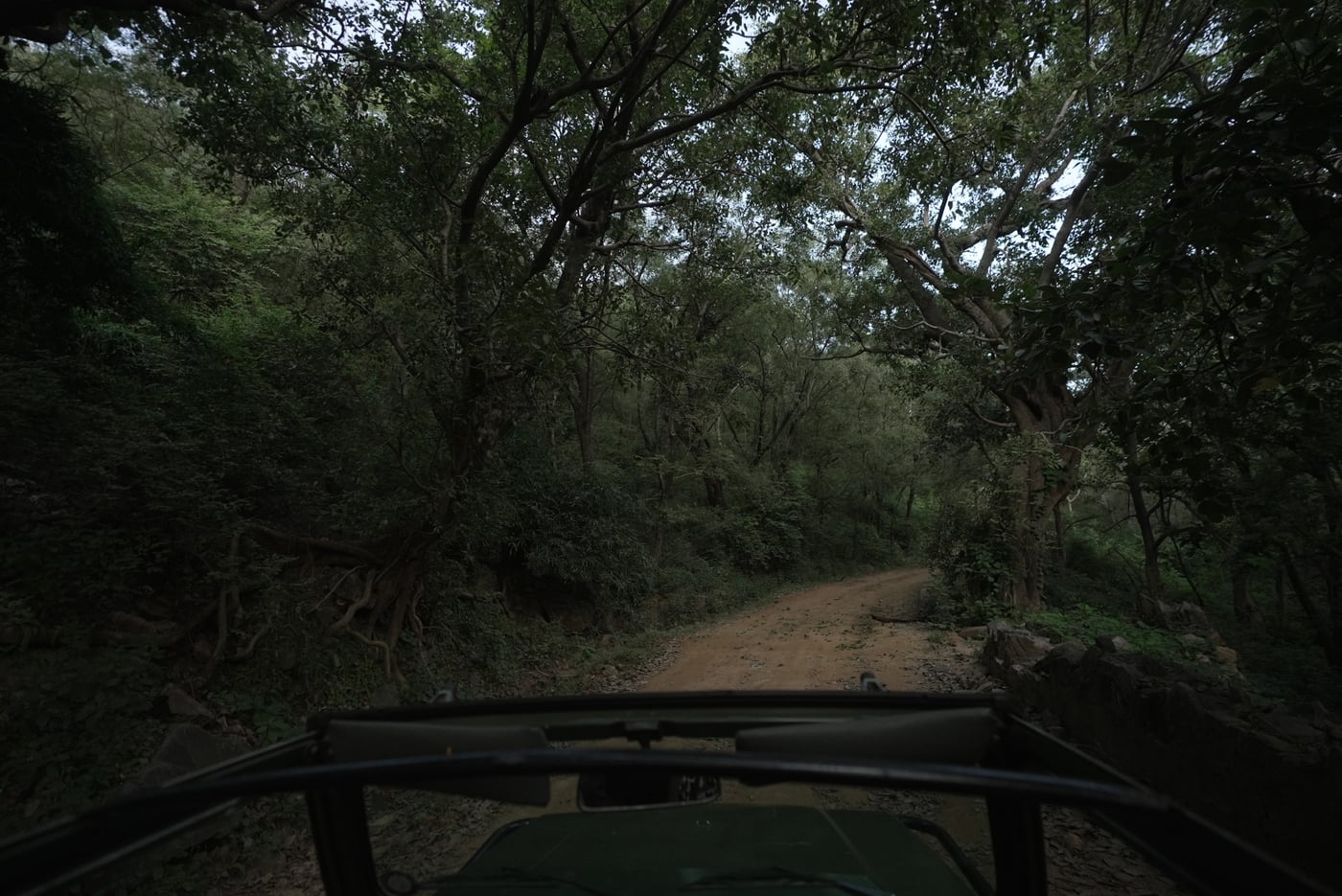
Safaris are arranged directly through us when you reserve a room, for an additional premium. Jeeps are the best way into this forest, and our naturalists take them out daily. Our naturalist-led experiences run from dawn walks and birding drives across an area with 470+ recorded species to starlight bush dinners.
The jungle resort runs on 100 kW of solar, cutting over 200 tonnes of carbon dioxide a year. We also use glass bottles filled with RO-filtered water rather than buying plastic ones. If you want to see the forest first, it is all on Instagram and YouTube.
58 Reserves, and the One that Came Back
The network of tiger reserves in India is wide enough that the right choice depends on what you want from it. Numbers point you one way, quiet points you another, and landscape points somewhere else entirely. Not a single one of the 58 reserves will ever actually promise you a tiger sighting without some luck on your side.
What Sariska offers instead is a forest that lost all of them and got them back, within about 4 hours of Delhi. Standing in that country at first light, with 56 tigers somewhere in it, is a particular kind of quiet.
FAQs About Tiger Reserves in India
How many tiger reserves are there in India?
There are 58 tiger reserves in India, notified under Project Tiger and monitored by the National Tiger Conservation Authority. They span 18 states and cover 84,487 sq. km. in total, with Madhav in Madhya Pradesh added in 2025.
Which tiger reserve in India has the most tigers?
Corbett in Uttarakhand has the highest tiger count of any single reserve, at around 260 in the last national estimation. Bandhavgarh holds the highest tiger density rather than the largest total population of them all.
Which are the best tiger reserves in India for sightings?
Corbett and Bandhavgarh put the odds most in your favour, because both hold large populations in relatively compact areas. No reserve can guarantee a sighting, and the busiest ones also carry the most vehicles.
Which tiger reserve is the quietest to visit?
Sariska, Mukundara and Satpura all see far fewer vehicles than any of the headline reserves. That usually means an unhurried drive, longer stops at waterholes, and a guide who can wait rather than move on.
What happened to the tigers in Sariska?
Sariska lost every tiger that it held by 2004, through poaching and gaps in protection. Tigers were moved in from Ranthambore from 2008, in the world's first successful scientific reintroduction, and the reserve now holds 56.
Which is the largest tiger reserve in India?
Nagarjunsagar Srisailam in Andhra Pradesh is the largest of the 58 at 3,296 sq. km. Orang in Assam is the smallest at 492 sq. km., and Madhya Pradesh holds more reserves than any other state, with 9.
Where should I stay to visit Sariska Tiger Reserve?
Stay close to a gate, because that decides whether the early safari slot is workable at all. Utsav Camp Sariska, described above, sits approximately 7 km from the Tehla gate and arranges safaris with your booking.