Rajasthan, known for its palaces and deserts, holds another treasure, its rich and varied wildlife. From the rugged Aravalli hills to the golden expanse of the Thar Desert, the landscapes create a dramatic backdrop for some of the most iconic national parks in Rajasthan. These protected areas are more than scenic getaways; they are crucial to preserving India’s biodiversity and protecting endangered species, especially tigers.
Discovering Rajasthan’s National Parks
Rajasthan is home to 5 major national parks, each offering unique experiences for nature lovers and adventurers alike.
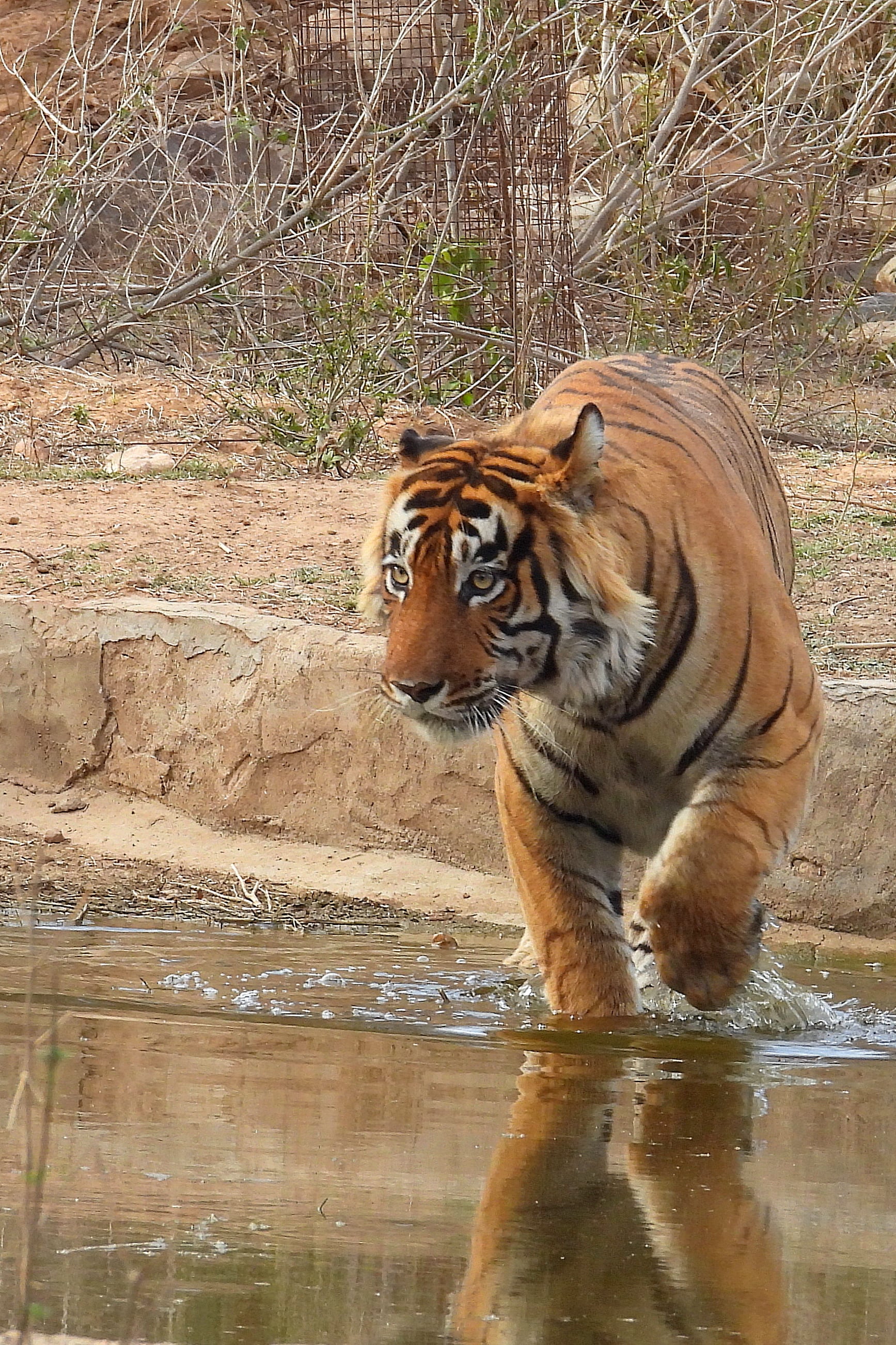
- Ranthambore National Park: Located in Sawai Madhopur, Ranthambore is celebrated worldwide for its thriving tiger population, which stood at 88 as of 2022. Its dry deciduous forests and grasslands are also home to leopards, sloth bears, and sambar deer. The majestic Ranthambore Fort adds a touch of history to this wildlife paradise.

- Sariska National Park: Situated in Alwar, Sariska is renowned for its remarkable tiger reintroduction success. The reserve has grown to host 56 tigers, 22 of them cubs, as of June 2026. Explore the park through the park's safari tours, operational from October to June, closed on Wednesdays and from July to September.
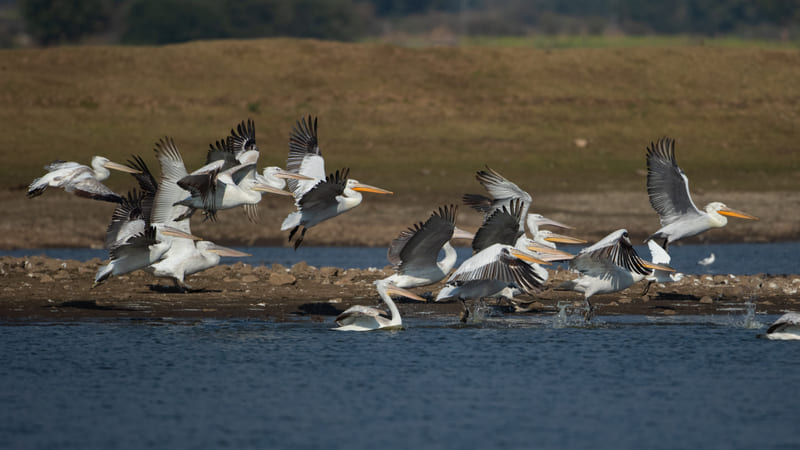
- Keoladeo Ghana National Park: A UNESCO World Heritage Site in Bharatpur, Keoladeo is a dream for birdwatchers. This freshwater wetland attracts migratory birds, including historically famous Siberian cranes, though sightings have not occurred for decades. Other migratory species include painted storks, pelicans, and various raptors.
- Desert National Park: Stretching across Jaisalmer and Barmer, this park offers a fascinating glimpse into desert ecology. It is one of the last remaining habitats of the critically endangered Great Indian Bustard and is home to desert foxes, blackbucks, and chinkaras.
- Mukundara Hills National Park: Located in Kota, Mukundara is a relatively new addition to Rajasthan’s conservation network. Known for its dense forests and medicinal plant diversity, it houses tigers, leopards, hyenas, and chinkaras.

Spotlight on Tiger Reserves in Rajasthan
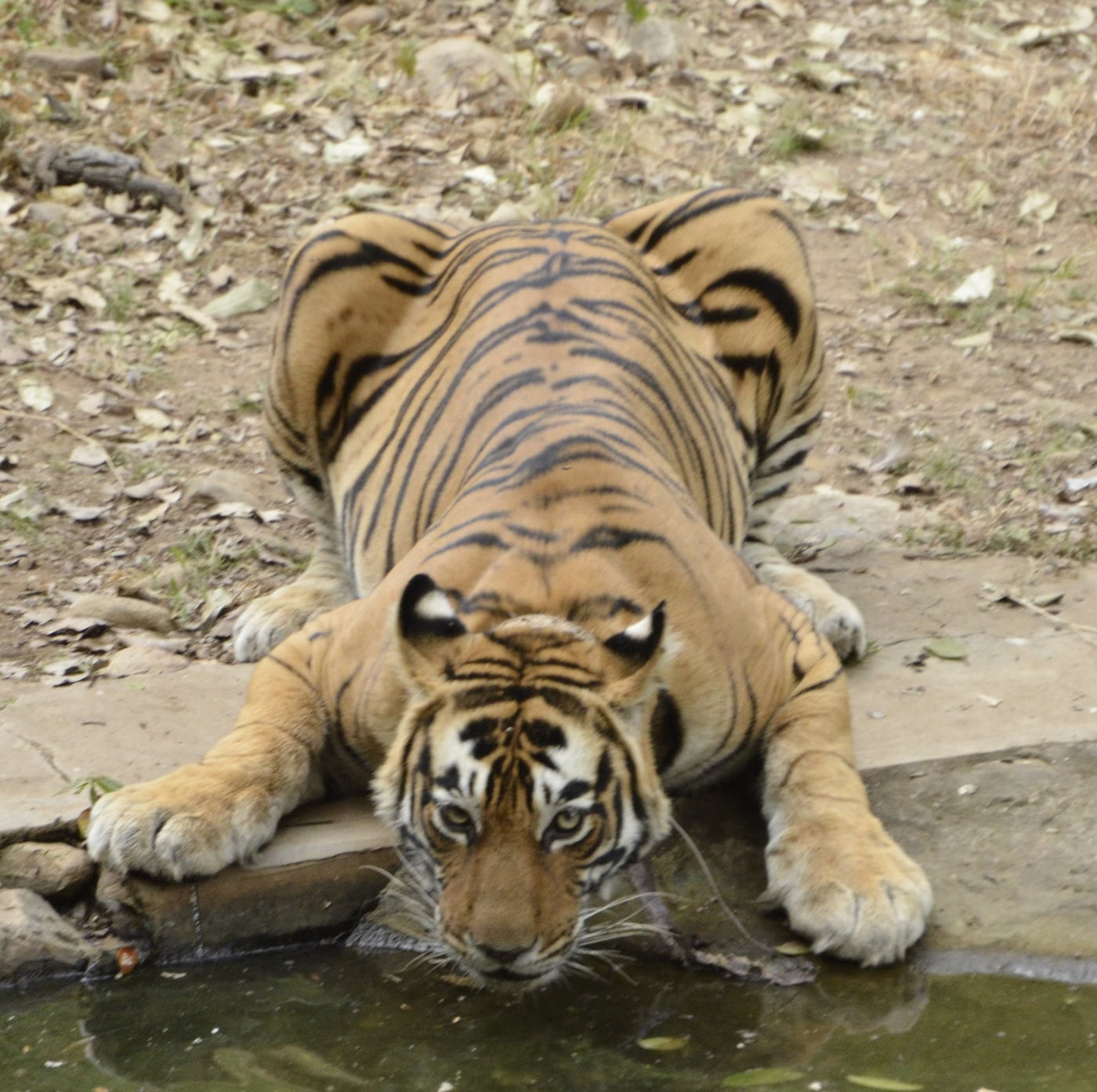
Rajasthan’s tiger conservation story is both inspiring and vital to India’s wildlife efforts. The tiger reserves in Rajasthan, such as Ranthambore, Sariska, and Mukundara Hills, play a key role in safeguarding these magnificent predators. Since the launch of Project Tiger in 1973, Rajasthan’s tiger population has seen a remarkable revival, growing from 32 tigers in 2006 to 120 in 2023, according to the National Tiger Conservation Authority (NTCA).
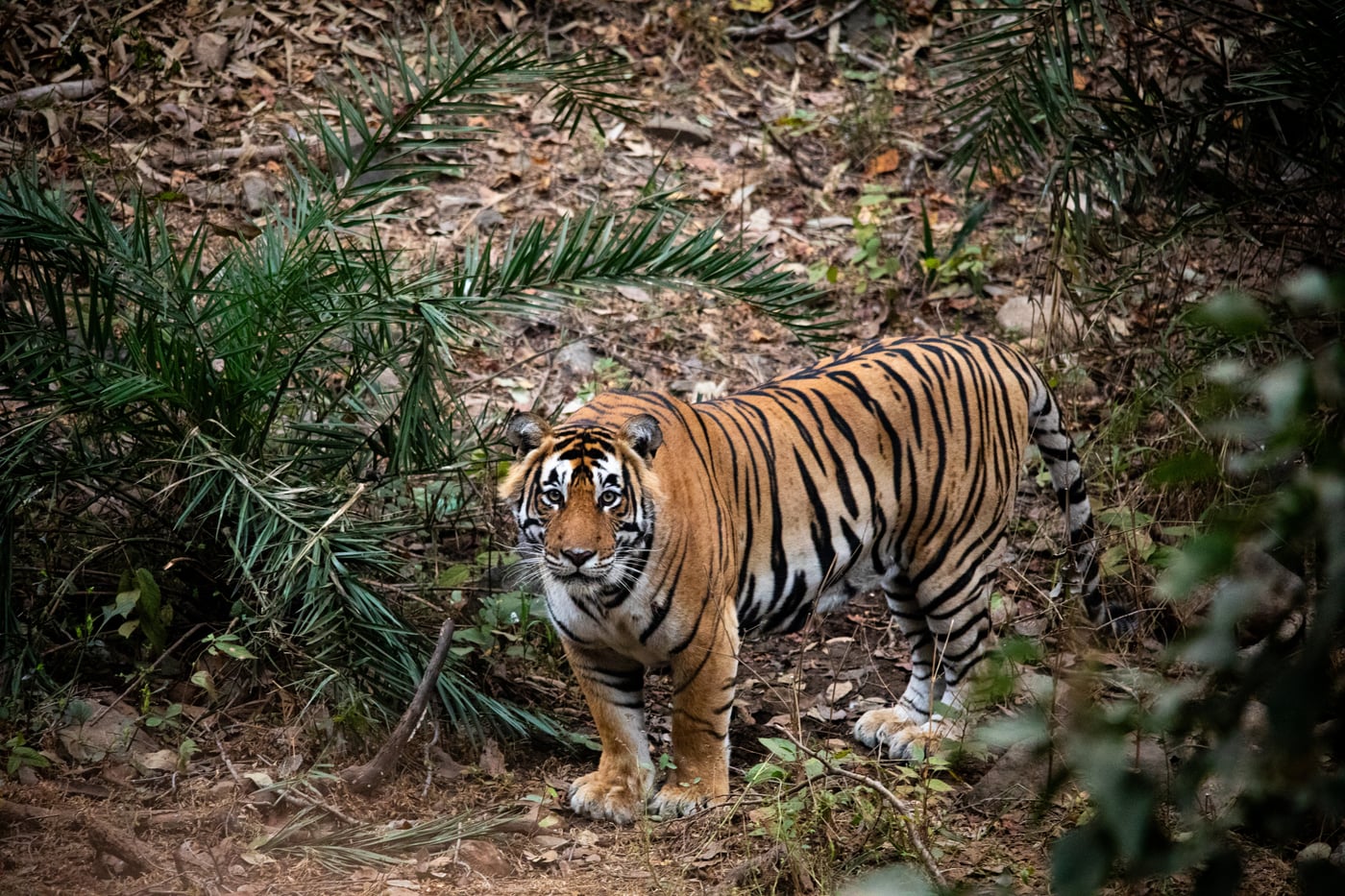
Key initiatives driving this success include:
- NTCA Oversight: Comprehensive monitoring to ensure habitat protection and anti-poaching measures.
- Tiger Corridors: Linking parks like Ranthambore and Sariska to encourage genetic diversity and movement.
- Eco-sensitive Zones: Legal protections such as the 2023 Supreme Court ban on mining within a kilometre of Sariska’s boundaries.
For more insights into how these efforts compare across parks, explore our blog on Sariska and Ranthambore. You can also learn more about India’s conservation success story through our piece on Tiger Conservation in India.
Ecotourism and Local Communities
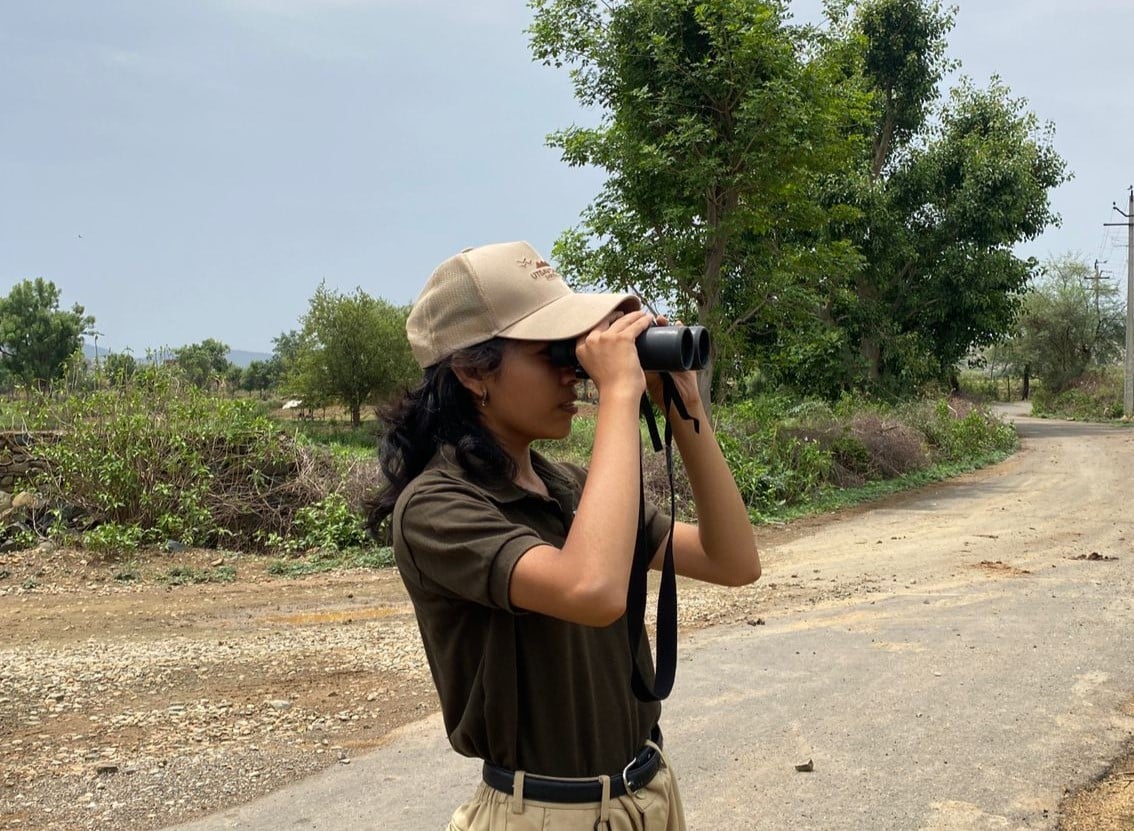
Ecotourism plays a vital role in sustaining Rajasthan’s tiger reserves. By creating job opportunities and generating revenue, it benefits both conservation projects and local communities. Jeep safaris, guided tours, and sustainable tourism practices ensure that visitors can enjoy close encounters with wildlife while supporting environmental goals.
Utsav Camp Sariska: A Responsible Retreat
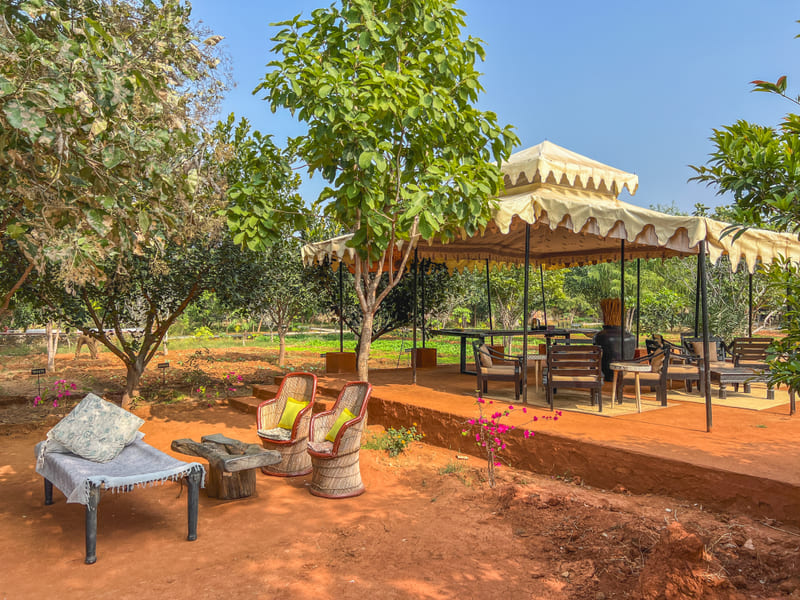
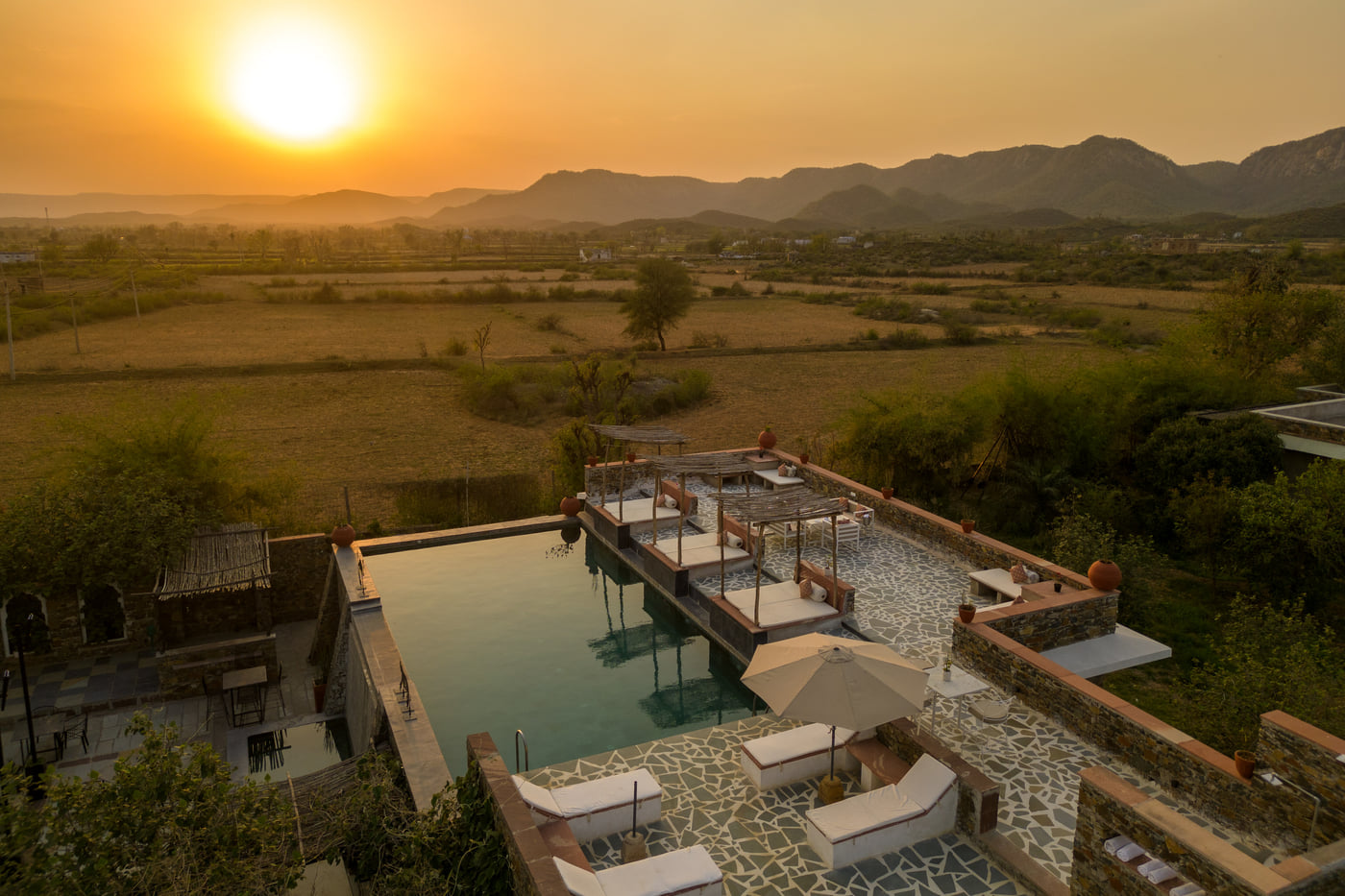
After a thrilling day of exploration, unwind at Utsav Camp Sariska, a unique eco-luxury retreat located near Sariska Tiger Reserve. Built with sustainability at its core, the camp offers a harmonious blend of comfort and conservation. Guests can choose from thoughtfully designed accommodations such as the Forest Villas and Stone Cabins, each surrounded by the tranquillity of the Aravalli hills. The camp also helps you organise guided safaris and birdwatching tours, allowing you to immerse yourself in the natural beauty of the region while respecting its delicate ecosystem. Explore our diverse range of activities and experiences, including the Starlight Camp Dinner and Wilderness Walks that highlight the area’s cultural heritage.
Planning Your Visit?
The best time to explore these parks is between October and March, when the weather is pleasant, and safaris are operational. Remember, Sariska safaris are closed on Wednesdays, so plan accordingly.
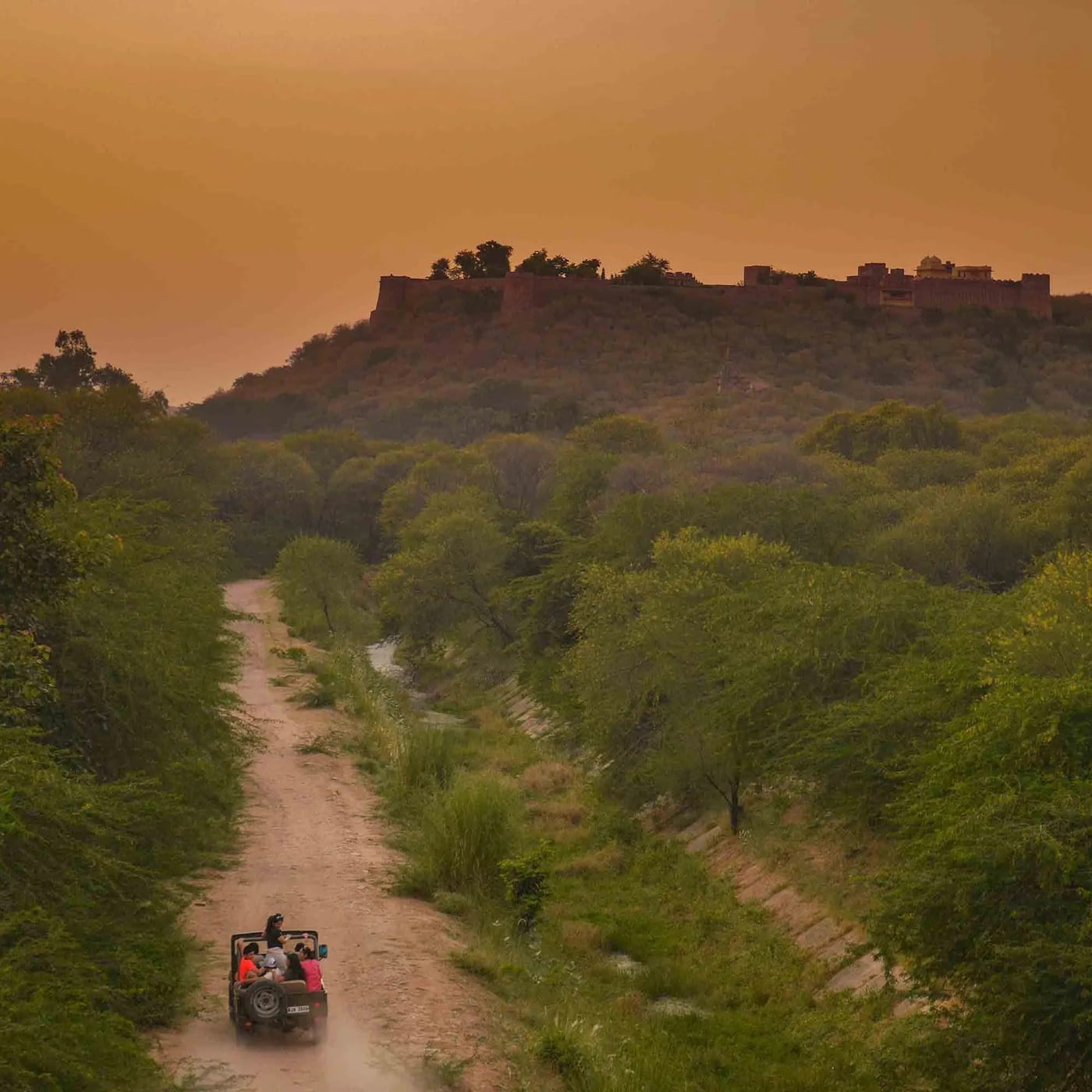
Whether you are an avid wildlife photographer, a conservation enthusiast, or a family looking for a unique getaway, Rajasthan’s national parks promise an unforgettable journey. And with Utsav Camp Sariska as your base, you can experience the magic of the wild while staying rooted in luxury and sustainability. For more glimpses of the camp and its experiences, follow us on Instagram and YouTube.