A Sariska National Park Safari may be the highlight of many itineraries, but it is only one part of what makes this region special. Beyond the safari routes lies a landscape of ancient boulder formations, bird-rich forests, quiet village trails, and the rugged beauty of the Aravalli foothills. Some of Sariska's most rewarding experiences unfold away from the safari vehicle, at a slower pace and closer to nature.
Spread across 1,203 sq. km. of dry deciduous forest, Sariska offers far more than wildlife sightings alone. A dawn walk may reveal fresh animal tracks along a forest trail, while seasonal wetlands attract hundreds of resident and migratory birds throughout the year. This guide explores the things to do in Sariska beyond safari, uncovering the landscapes, wildlife, culture, and experiences that create a deeper connection with the region.
Sariska Beyond Safari: A Landscape that Rewards the Unhurried
Most travellers associate Sariska beyond safari with temple visits or a quick stop at a roadside viewpoint along the highway. The forests surrounding the core zone, however, hold far more than the typical tourist circuit reveals. Dry riverbeds, seasonal waterholes, and Dhok-lined ridges create habitats where leopards, jungle cats, and civets move freely.
Here, you can hear the Grey Francolin before dawn, spot fresh pugmarks on a trail, and notice langurs signalling alarm from the canopy. These moments do not require a safari permit or a vehicle at all, just a willingness to walk slowly through the buffer trails.
The Aravalli foothills around Sariska reward patience above all else, offering encounters that unfold on foot rather than from behind glass. Shifting the focus from sightings to the rhythm of the forest changes the entire experience of this region.
Tehla Village, Sariska: Discover the Region's Quieter Side
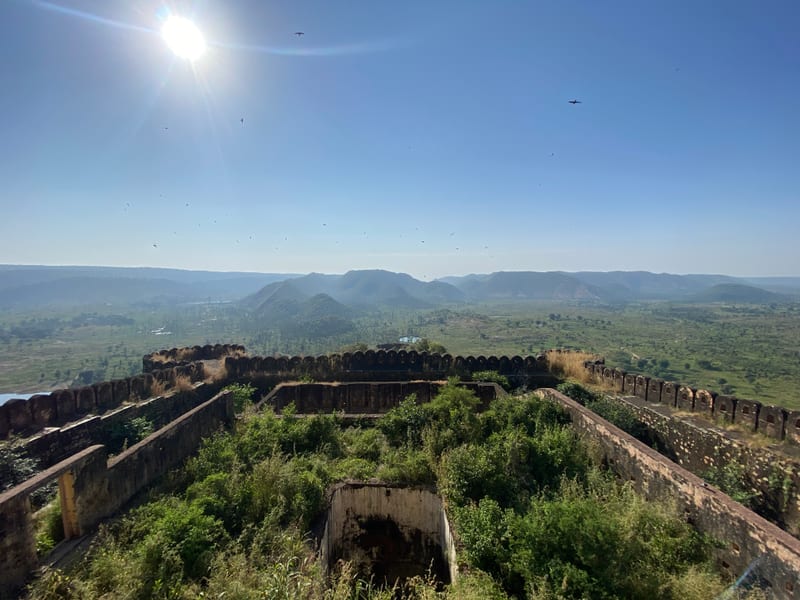
The cluster of villages around Tehla Village, Sariska, functions as a buffer zone between the national park's core area and the broader Aravalli landscape. Framed by rolling hills, rocky outcrops, open scrublands, and pockets of native woodland, the region possesses a rugged natural beauty that feels untouched by time. Settlements such as Murlipura, Ghewar, Talab, Losal, and Nayala form a rural corridor where daily life continues much as it has for generations. Rather than a curated attraction, this is a living agricultural landscape shaped by seasonal rhythms, local traditions, and a close connection to the land.
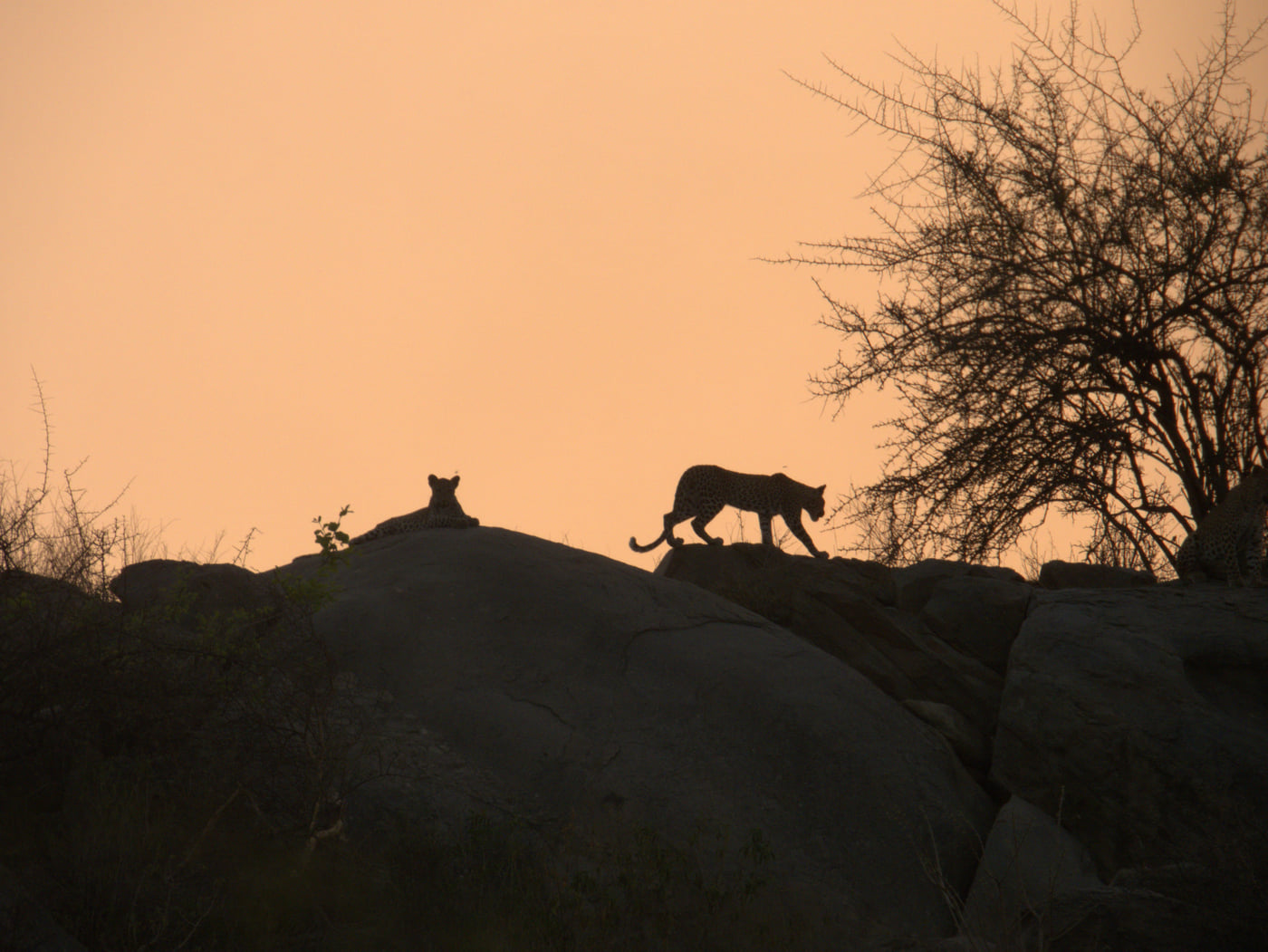
Visitors who spend time in the region often gain a deeper understanding of local culture and traditions. Conversations with village communities offer valuable insights into a way of life that has remained closely connected to the land for generations. These encounters add a meaningful dimension to a Sariska visit. They reveal the human stories that exist alongside the forests, wildlife, and landscapes of the Aravalli foothills.
Beyond its cultural significance, the Tehla corridor also plays an important ecological role. It serves as a natural passage linking habitats within Sariska to the broader Aravalli hill system. The combination of rocky terrain, scrub forests, open countryside, and thriving wildlife populations creates a landscape rich in biodiversity. Home to a healthy leopard population and a variety of other species, this unique blend of nature, culture, and wilderness makes Tehla one of the most holistic wildlife experiences Sariska has to offer.
Wilderness Walks Through the Aravalli Foothills
The varied landscapes surrounding Tehla are best explored on foot. Winding through scrubland, rocky ridges, and groves of Dhok and Babool trees, these wilderness walks offer a slower and more immersive way to experience the Aravalli foothills. Guided by naturalists who interpret tracks, feeding signs, and subtle movements within the forest, each walk follows a route shaped by recent wildlife activity and seasonal conditions.
- Dawn Walk: Set out at first light when the forest is at its most active. Fresh tracks of nilgai, wild boar, and golden jackals often appear along dusty trails, while the calls of francolins echo across the Aravalli hills as the landscape gradually awakens.
- Dusk Walk: Experience the changing character of the wilderness as daylight fades. Long shadows stretch across the foothills, birds settle into the trees, and the calls of owls and other crepuscular species begin to emerge from the forest.
- Breakfast in the Wilderness: Extend the morning adventure with breakfast served in a scenic outdoor setting, often arranged by camps and resorts across the region. Surrounded by the quiet rhythms of the forest and sweeping views of the Aravalli landscape, it offers a memorable way to begin the day.
Birdwatching Across Seasons in Sariska's Forest Edge
The same forests, scrublands, and seasonal wetlands that make wilderness walks so rewarding also support an extraordinary diversity of birdlife. With 470+ recorded species, Sariska ranks among Rajasthan's most productive birding corridors. The range of habitats, from dry deciduous woodland to seasonal lakes, means the species list shifts noticeably between October and June.
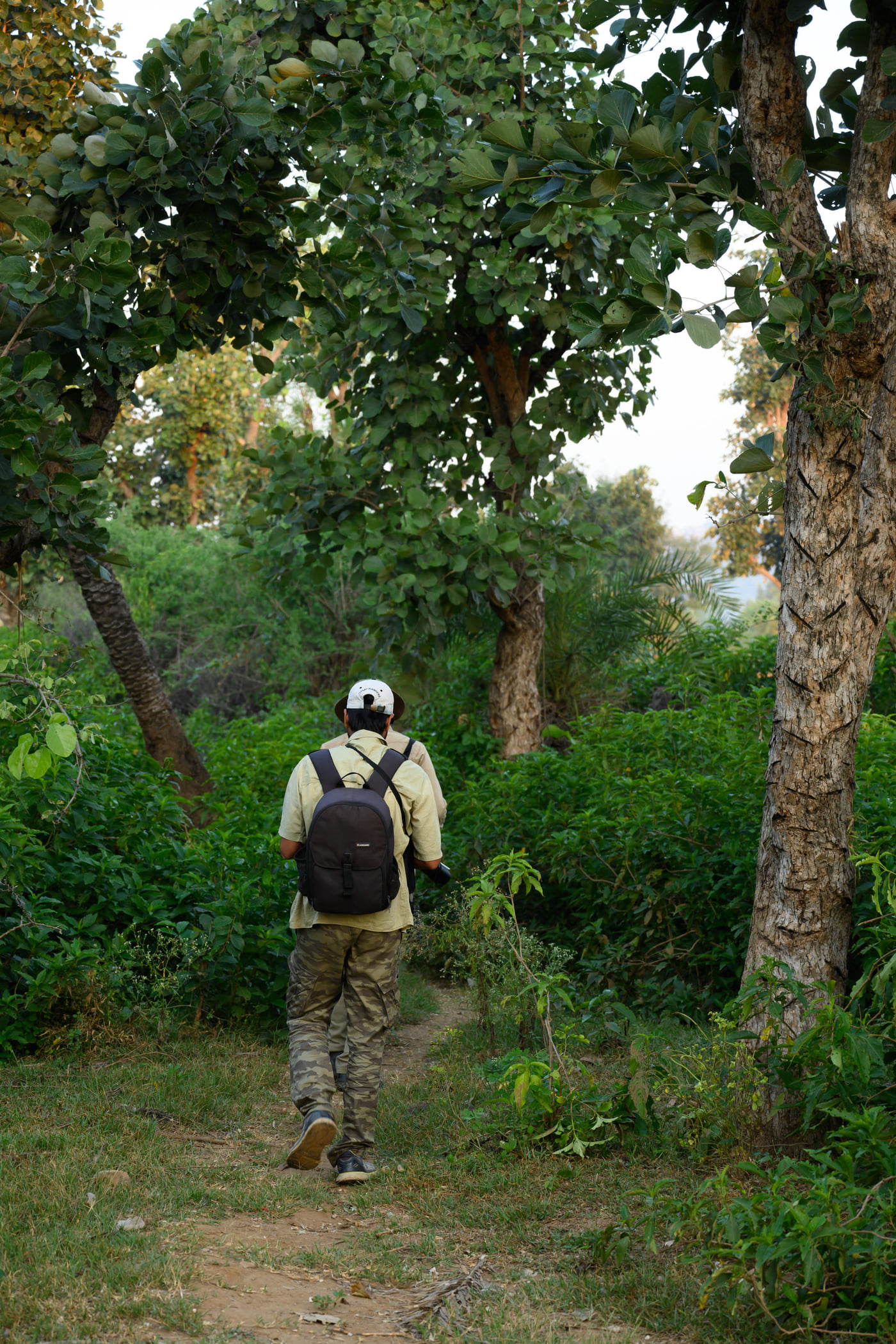
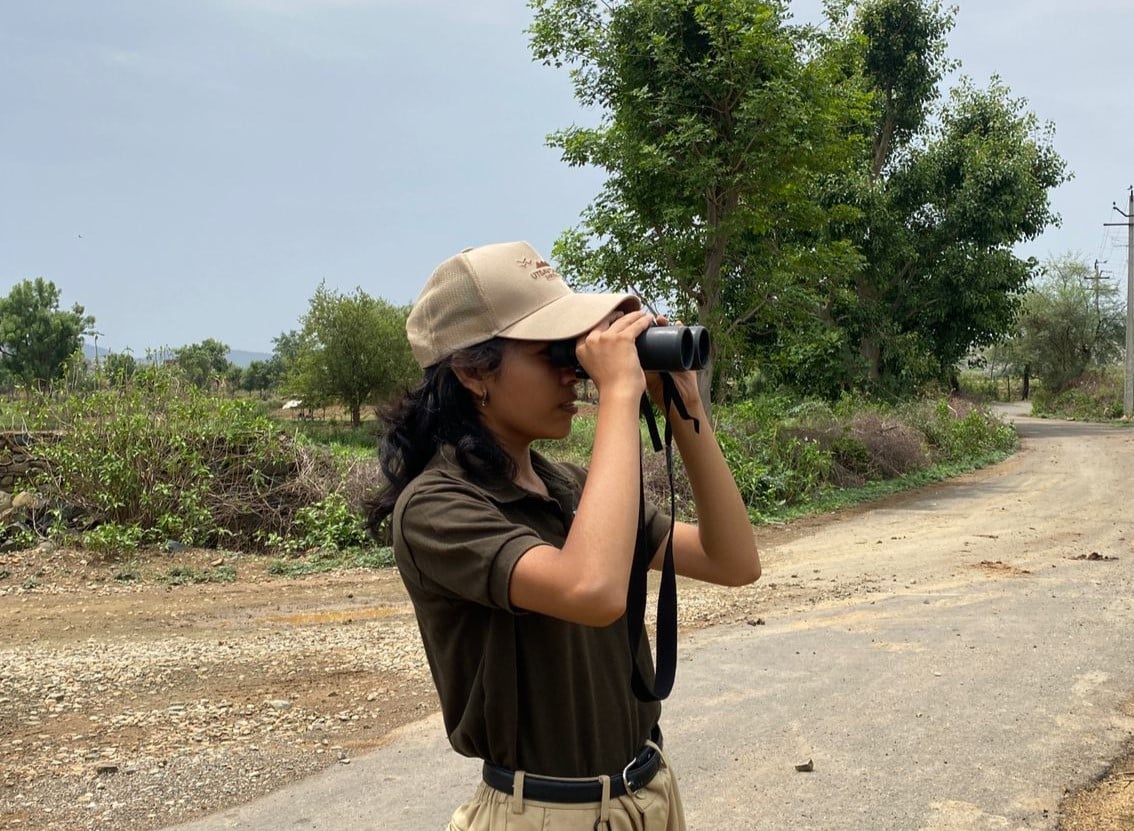
This variety makes Sariska beyond safari a phrase that rings especially true for birders who visit with binoculars rather than camera lenses alone. Dedicated birdwatching sessions run at dawn and dusk, lasting approximately 2 hours each, led by naturalists familiar with local nesting sites.
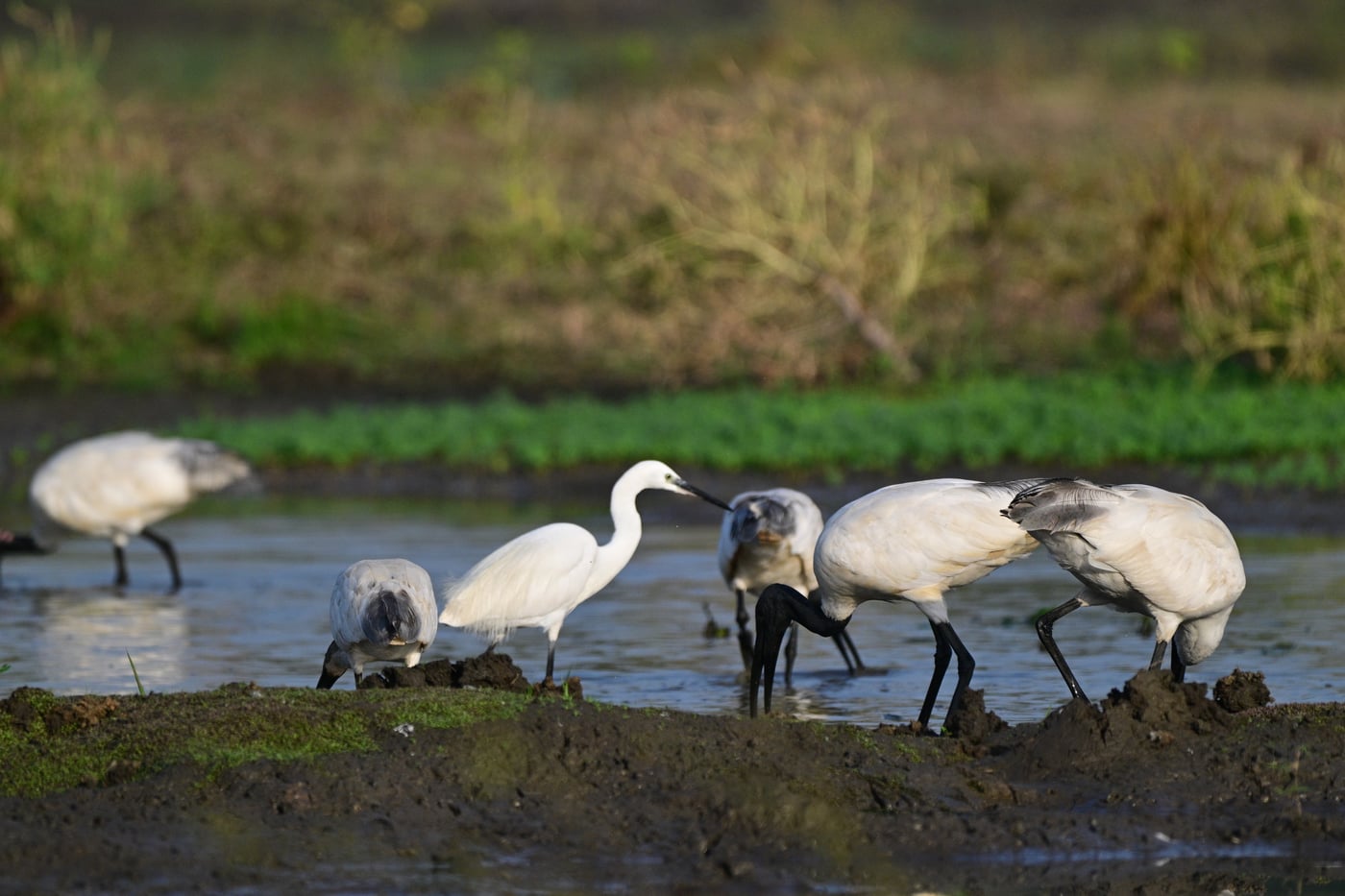
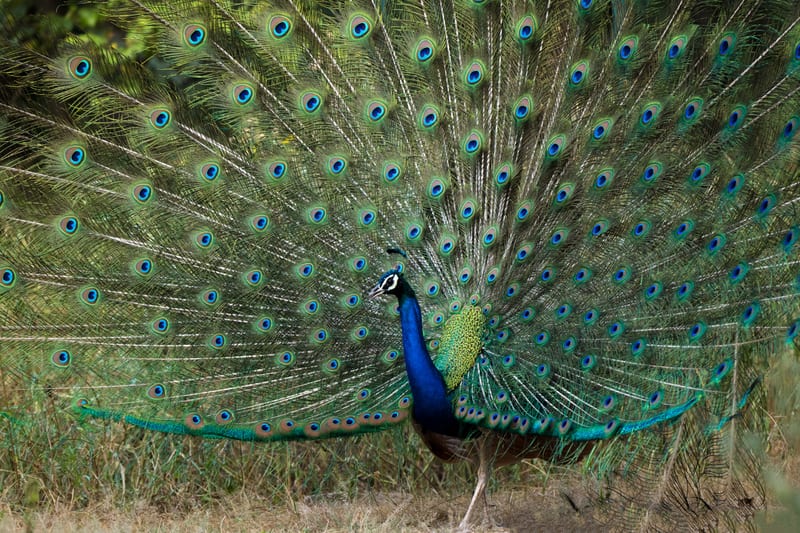
- Year-round Residents: Grey Francolin, Indian Robin, Purple Sunbird, White-throated Kingfisher, Crested Serpent Eagle, Oriental Honey Buzzard, and Indian Peafowl.
- Winter Migrants: Desert Wheatear, Pied Bushchat, Bonelli's Eagle, and Pallid Harrier arrive between October and February.
- Wetland Birds: Indian Spot-billed Duck, Common Teal, and several egret species gather at Mansarovar Lake and Mallana Dam.
Related Read: Migratory Birds of Sariska
Boulder Formations Older than the Aravallis Themselves
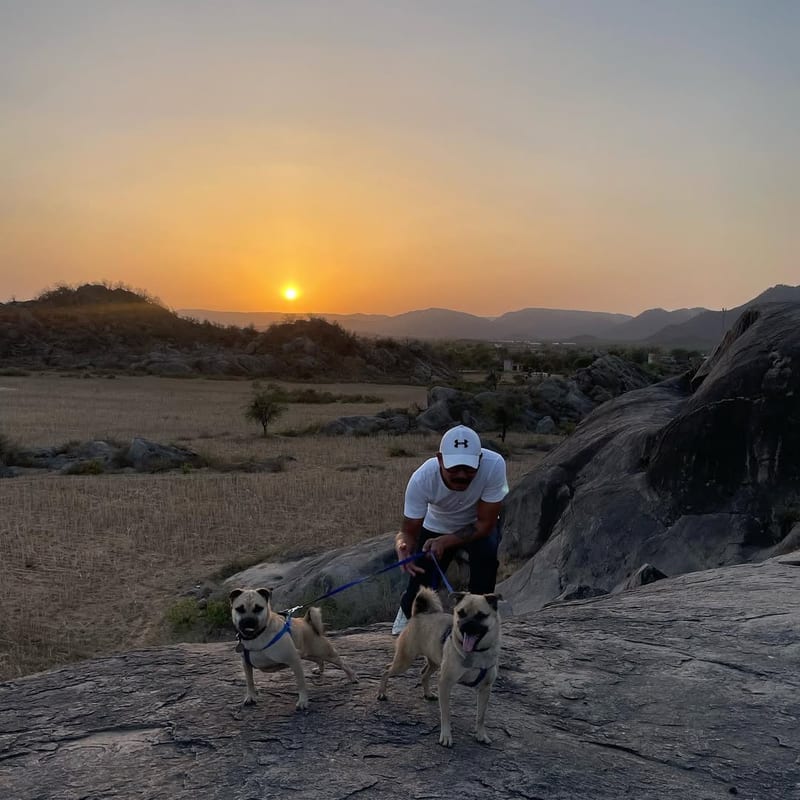
The Tehla landscape offers one of the most fascinating geological experiences in the Sariska region. Enormous granite and quartz boulders are scattered across the landscape, creating one of the region's most striking geological features. Estimated to be between 1,000 and 2,500 million years old, they rank among the oldest exposed rock formations in northern India. Shaped by time, weather, and shifting landscapes, these ancient formations create a dramatic backdrop that feels entirely removed from the modern world.
Beyond their geological significance, many of these rocks preserve traces of early human history. Small circular carvings known as cupules can still be found etched into their surfaces, representing some of the earliest known forms of artistic expression on the Indian subcontinent. As visitors move through the landscape, Dhok, Ber, and Babool trees emerge between the boulders, their roots weaving through cracks in stone that has endured for millennia.
Utsav Camp Sariska: Your Base for Exploring Beyond the Safari
Utsav Camp Sariska is nestled within 7 hectares of scrub woodland, open grasslands, and landscapes dotted with ancient boulder formations in Tehla. Located ~7 km from the Tehla Gate of Sariska National Park, our property offers seamless access to the region's wilderness. Framed by the rugged beauty of the Aravalli foothills, this unique location turns our camp into a Sariska wildlife destination. From here, guests can effortlessly explore both the celebrated wilderness of the national park and the experiences that reveal a quieter, lesser-explored side of the region.
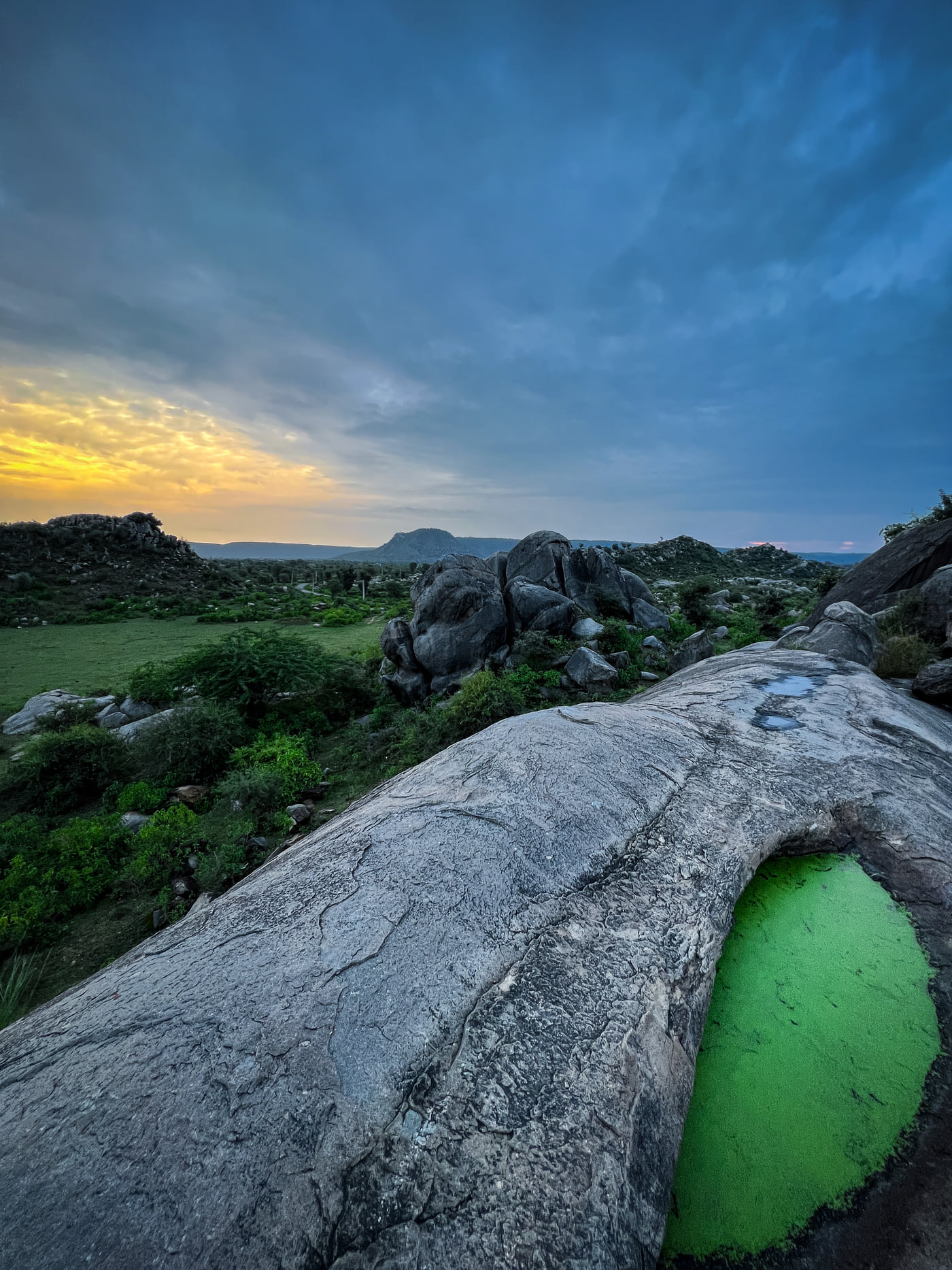
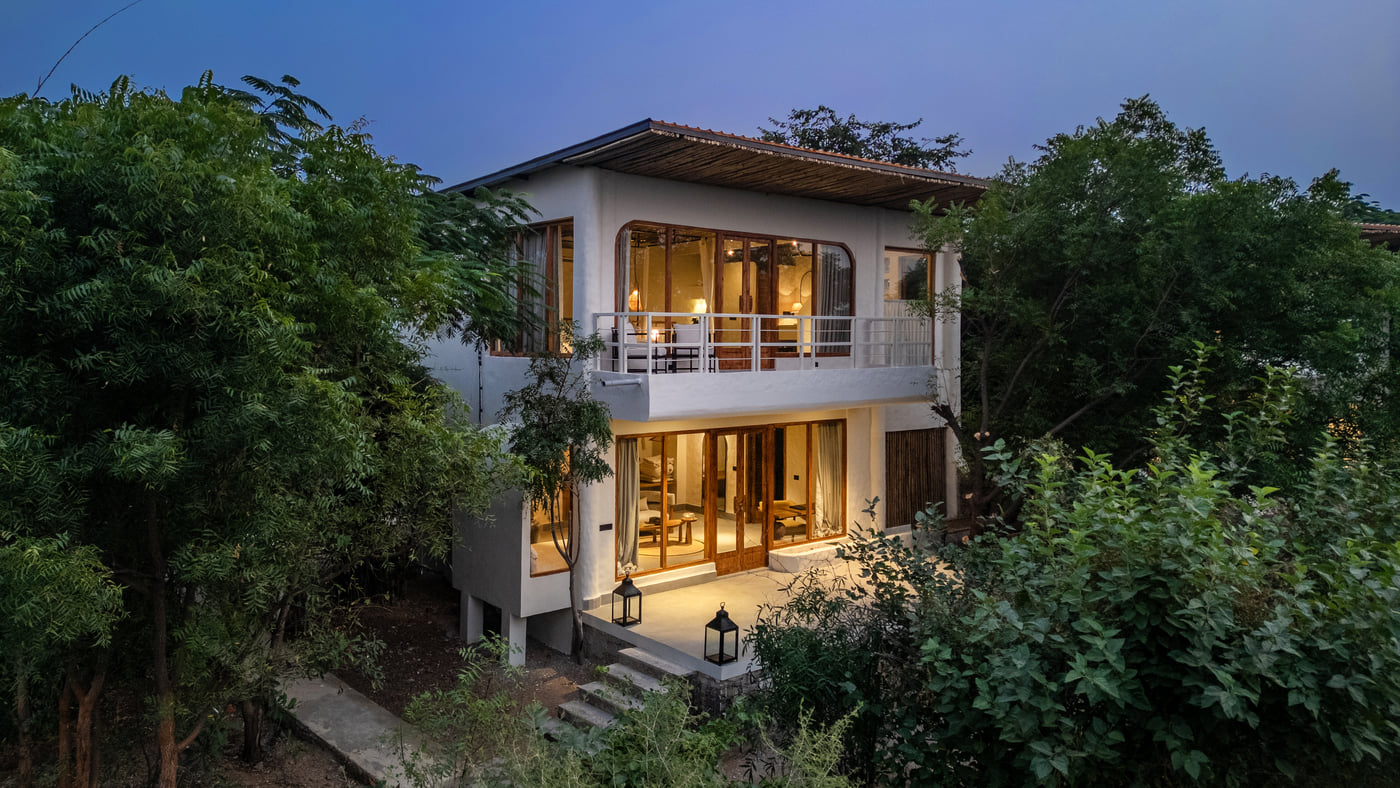
Guests can choose between Stone Cabins, Forest Bungalows, and duplex Forest Villas, each thoughtfully designed to blend with the character of the landscape. From Boulder Sundowners overlooking dramatic terrain to starlit dinners beneath unpolluted skies and leisurely high teas with Aravalli views, every experience is shaped by the beauty of the outdoors.
At its core, our camp celebrates a slower and more meaningful connection with nature. Plastic-free practices, locally sourced ingredients, guided wilderness experiences, and scenic drives through the Tehla landscape reflect a commitment to responsible travel. Led by experienced naturalists, these curated experiences invite guests to discover Sariska beyond safari while exploring the region's biodiversity, culture, and remarkable natural beauty.
The result is a stay defined by authenticity, sustainability, and a deeper appreciation for the wilderness that surrounds it.
A Sariska National Park Safari may introduce you to the wilderness, but it reveals only one part of the landscape's story. Beyond the safari routes lie ancient boulder formations etched with traces of early human history, forest trails rich with birdlife, and quiet village communities shaped by generations of tradition. The surrounding wilderness corridors also support a thriving ecosystem where wildlife continues to move unseen through the Aravalli foothills. These experiences invite travellers to slow down, look closer, and discover a side of Sariska that unfolds far beyond a vehicle window.
For those seeking a deeper connection with the region, Utsav Camp Sariska provides the ideal base from which to explore. Surrounded by open wilderness and located close to Sariska National Park, our retreat combines immersive nature experiences with the comfort of a thoughtfully designed stay. Together, they create one of the most holistic wildlife experiences Sariska has to offer, allowing travellers to explore, slow down, and connect more meaningfully with the landscapes, wildlife, and rhythms of the wilderness. For a closer look at life in the wild, follow our Instagram and YouTube channels, where we share stories, experiences, and glimpses of the landscapes that make this region so special.
FAQs About Things to Do in Sariska Beyond Safari
What are the best things to do in Sariska beyond safari?
Beyond safari, visitors can explore Tehla Village, enjoy wilderness walks through the Aravalli foothills, go birdwatching, discover ancient boulder formations, and experience the region's rich natural and cultural landscapes.
What makes Tehla Village worth visiting in Sariska?
Tehla Village offers a glimpse into traditional rural life surrounded by the Aravalli foothills. Its scenic landscapes, local communities, and ecological importance make it one of the most rewarding experiences in the region.
Can I explore Sariska on foot?
Yes. Guided wilderness walks through scrubland, rocky ridges, and native woodland provide an immersive way to experience the landscape beyond the safari vehicle.
What wildlife can be spotted during wilderness walks in Sariska?
Visitors may encounter tracks of nilgai, wild boar, and golden jackals, while also observing birdlife and signs of wildlife activity across the forest trails.
Is Sariska a good destination for birdwatching?
Yes. With 471 recorded bird species, Sariska is one of Rajasthan's most productive birdwatching destinations, attracting both resident and migratory birds throughout the year.
What is special about the boulder formations near Tehla?
The granite and quartz boulders are estimated to be between 1,000 and 2,500 million years old. Many also contain prehistoric cupules, representing some of the earliest known forms of artistic expression on the Indian subcontinent.
When is the best time to experience Sariska beyond safari?
Early mornings and late afternoons are particularly rewarding, whether for wilderness walks, birdwatching, or exploring the boulder-strewn landscapes of the Aravalli foothills.
How does Utsav Camp Sariska help guests explore Sariska beyond safari?
Located near the Tehla Gate of Sariska National Park, Utsav Camp Sariska offers guided wilderness experiences, nature walks, scenic drives, birdwatching opportunities, and outdoor experiences that help guests connect more deeply with the region's wildlife, culture, and landscapes.