
What makes an India wildlife safari truly unforgettable is the incredible variety of landscapes and ecosystems that shape every encounter. While many visitors hope to spot a tiger, the country's wilderness offers far more than one iconic species. Four distinct safari landscapes unfold across India, each with its own rhythm, terrain and wildlife.
The forests of central India and Rajasthan shelter tigers and leopards, while Assam's monsoon-fed grasslands are home to one-horned rhinos and wild water buffalo. Gujarat's Saurashtra peninsula protects the world's last wild Asiatic lions, and Rajasthan's Thar Desert offers sightings of raptors, desert wildlife and the Critically Endangered Great Indian Bustard.
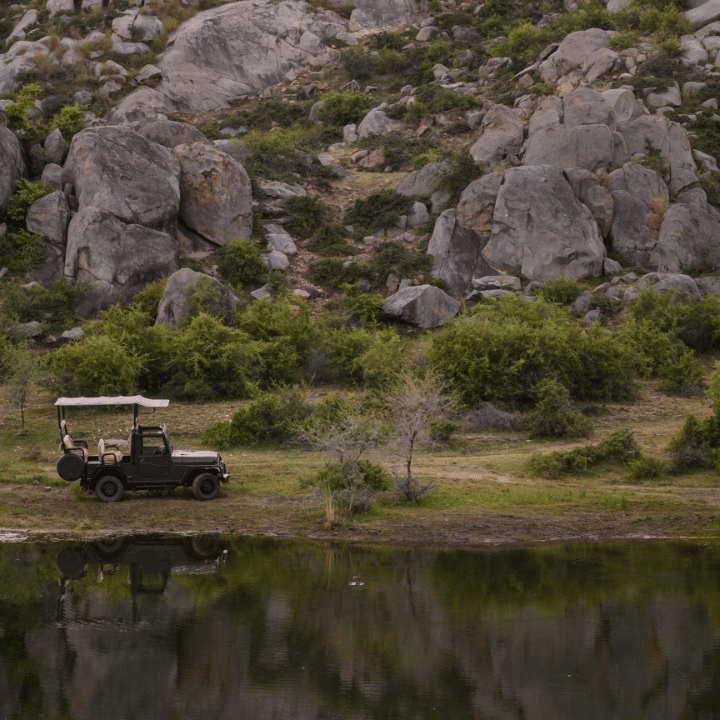

Ranthambore: Rajasthan's Wild Heart
Few places capture the magic of a jungle safari in Rajasthan quite like Ranthambore National Park. Spanning 1,334 sq. km in Sawai Madhopur, this dry deciduous landscape is dominated by the imposing 10th-century Ranthambore Fort, with tranquil lakes that draw deer, sambar, and the tigers that follow them. The 2022 census recorded 69 tigers across the reserve.
What makes Ranthambore especially rewarding for first-time visitors is its open terrain, where sightings often unfold against shimmering water and ancient ruins rather than beneath dense forest cover. The park is divided into 10 safari zones, with Zones 1 to 5 around the lakes being the most sought after. As permits are limited and demand peaks between October and April, booking well in advance is highly recommended.
Bandhavgarh: Through the Land of Stripes
Compact in size but extraordinary in wildlife density, Bandhavgarh National Park, located in the Vindhya Hills of Madhya Pradesh, is one of India's finest places to see tigers. Declared a national park in 1968, it spans a tiger reserve area of 1,536 sq. km, with a compact 716 sq. km core zone where the 2022 census recorded 135 tigers. This exceptional density often translates into longer and more frequent sightings. The landscape blends towering sal forests, mixed deciduous woodland and open meadows, where tigers are frequently seen crossing the grasslands in the early morning.
Safaris operate across 3 main zones: Tala, Magadhi, and Khitauli, with Tala, overlooked by the ancient Bandhavgarh Fort, being the most sought-after for tiger sightings. Easily accessible from Jabalpur, the park is ideal as a standalone safari or as part of a broader central India wildlife journey.


Jim Corbett: Where India's Safari Story Began
Steeped in history and rich in biodiversity, Jim Corbett National Park offers a safari experience unlike any other. Established in 1936 as Asia's oldest national park, it spans a reserve area of 1,288 sq. km, with a 521 sq. km core of riverine forests, sal woodlands and Terai grasslands nestled in the Himalayan foothills. The 2022 tiger census recorded 260 tigers across the reserve. Yet Corbett's appeal extends far beyond its big cats. Home to over 580 bird species, it is one of northern India's finest destinations for combining wildlife safaris with birdwatching.
Tiger sightings are most rewarding during April and May, when shrinking water sources draw animals into the open, and the tall grass begins to thin. For the most immersive experience, the expansive Dhikala zone offers sweeping wildlife vistas and requires an overnight stay within the park, which should be booked well in advance.
The Great One-horned Rhino
Hidden within Assam's floodplain wilderness, Kaziranga National Park is a rare sanctuary where prehistoric giants still roam freely. The park shelters more than two-thirds of the world's remaining Indian one-horned rhinoceros population, with the latest census recording 2,401 individuals. Unlike elusive predators that require patience and timing, Kaziranga's rhinos are often seen grazing across open grasslands, gathering near water bodies and making sightings a defining part of the safari experience.
But the park's wilderness extends far beyond its armoured giants. Its diverse grasslands and wetlands support a remarkable ‘Big Five’: the Bengal tiger, Asian elephant, wild water buffalo, swamp deer, and Indian rhinoceros. During winter, the landscape transforms into a haven for birdlife, attracting migratory waterfowl and large colonies of greater adjutant storks, making Kaziranga one of India's most significant birding destinations.

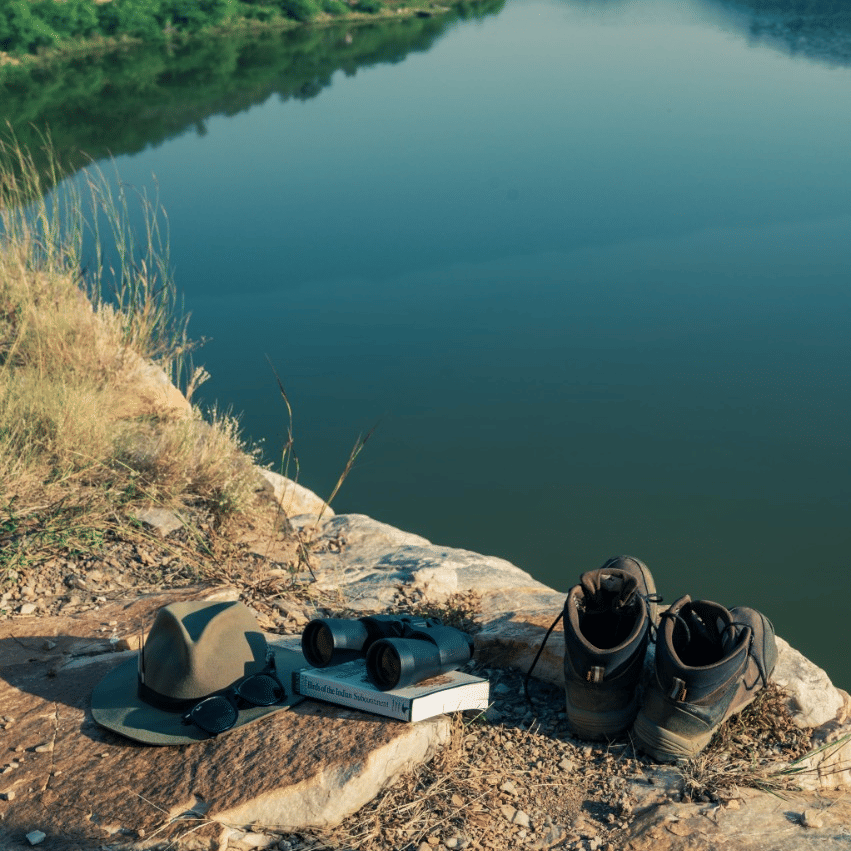
Best season for Kaziranga
Kaziranga's rhythm is shaped by the mighty Brahmaputra, whose annual floods renew the landscape but also bring the safari season to a pause. From June to September, much of the park remains submerged, prompting wildlife to move towards higher ground and bringing all safari activities to a halt. When the grasslands reopen in October, the wilderness begins to awaken once again, with November to April offering the most rewarding conditions for visitors.
The cooler months of November and December bring fresh grasslands after the floods, with animals often found in more accessible areas. By February and March, drying vegetation creates clearer views and increases opportunities to spot rhinos and elephants. As summer intensifies in May, water sources become gathering points for wildlife, while thinner foliage creates ideal conditions for photographers seeking dramatic sightings.
The Wild Home of a Living Legend
Gir's uniqueness lies not just in being the last refuge of the Asiatic lion, but also in offering a rare opportunity to observe these endangered cats in their natural habitat. Classified as Endangered by the IUCN, this remarkable species survives in the wild only within Gir.
Unlike their African relatives, Gir's lions live in smaller family groups and have adapted to the presence of safari vehicles, making sightings relatively more predictable. Early morning safaris offer the best chance of encounters, as lions are most active before 9 AM and retreat into the shade as temperatures rise.


Your Guide to a Lion Safari Experience
Planning a visit to Gir requires understanding the rhythm of this unique lion habitat. The forest welcomes visitors from 16 October to 15 June each year, with permits that must be secured in advance through the Forest Department’s online portal or an authorised tour operator. Spread across 1,410 sq. km, the sanctuary includes a 258 sq. km core national park zone where access is carefully regulated to protect its wildlife.
Visitors can explore Gir through 3 distinct safari experiences: the open jeep safari through the core forest, the Devalia Safari Park near Sasan Gir for a more controlled wildlife viewing experience, and the Kankai Safari in the eastern range. The core zone safari requires an official Forest Department guide, while December to March offers the most comfortable conditions and rewarding lion activity.
Beyond the forests and grasslands that define India's tiger and lion safaris lies a wilderness shaped by silence, space, and stark beauty. Western Rajasthan offers a completely different kind of safari experience, where the landscape itself takes centre stage. There are no tigers to track here, and the thrill comes not from dramatic sightings but from discovering the desert's unique rhythm.
Open dunes, salt flats, rocky scrub, and vast grassland plains create a constantly changing canvas with every shift of light. Within this arid landscape, 2 destinations stand out: one protecting India's rarest bird and the other offering encounters with one of its most striking desert mammals.


Amid the vast silence of Rajasthan’s Thar Desert lies a wilderness where survival takes a remarkable form. Desert National Park, spread across 3,162 sq. km near Jaisalmer, is one of India’s largest national parks by area. Established in 1981, the park’s landscape stretches across sweeping sand dunes, rugged limestone formations and ancient saline riverbeds, with dunes covering nearly 44 per cent of its terrain. The park’s greatest conservation story belongs to the Great Indian Bustard, a Critically Endangered species listed by the IUCN, with an estimated wild population of around 150 individuals as of 2018.
As one of its last remaining strongholds, the park offers a rare chance to witness this magnificent bird. Beyond the bustard, the desert supports chinkara, Indian wolves, and winter visitors such as tawny eagles, short-toed eagles, and demoiselle cranes that arrive from Central Asia between October and March.
Beyond Rajasthan’s deserts and forests lies another landscape that reveals a quieter side of India’s wildlife: the open grasslands where the graceful blackbuck thrives. Recognised by its spiralling horns and striking two-tone coat, with dark brown upper parts and a white underside in adult males, this elegant antelope depends on short-grass plains, open spaces and reliable water sources for survival. Across India, blackbuck populations are protected in grassland habitats spanning Rajasthan, Gujarat, and Tamil Nadu.
Among the most rewarding places to observe them is Tal Chhapar Wildlife Sanctuary in Rajasthan’s Churu district. Spread across 719 hectares, the sanctuary offers close-range sightings from a vehicle, while the cooler months between September and March bring migratory raptors from Central Asia, including eastern imperial eagles, tawny eagles and demoiselle cranes. Its location also makes it a convenient addition to the Ranthambore or Sariska wildlife circuit.


Seasonal Guide by Habitat
- Tiger Reserves (Ranthambore, Bandhavgarh, Jim Corbett): Open October to June; peak sightings March to May when vegetation thins and tigers frequent water sources.
- Kaziranga: Open October to May; closed June to September during Brahmaputra flooding. November to April is the optimal window.
- Gir Forest National Park: Open mid-October to mid-June; December to March for peak lion activity.
- Desert National Park: October to March for the Great Indian Bustard and migratory raptors.
- Tal Chhapar: September to March, with migratory raptors peaking January to February
How to Plan a Wildlife Holiday in India?
After deciding where and when to go, securing access is the next crucial step in planning a successful safari. India’s protected area system requires advance permits for almost every major national park, with the most sought-after core zones often filling quickly between November and March. Reaching a destination without a confirmed booking can limit visitors to buffer areas, where wildlife encounters may be less frequent. Well-planned wildlife holidays in India combine the right season, destinations, and safari permits to create a rewarding experience across different landscapes.

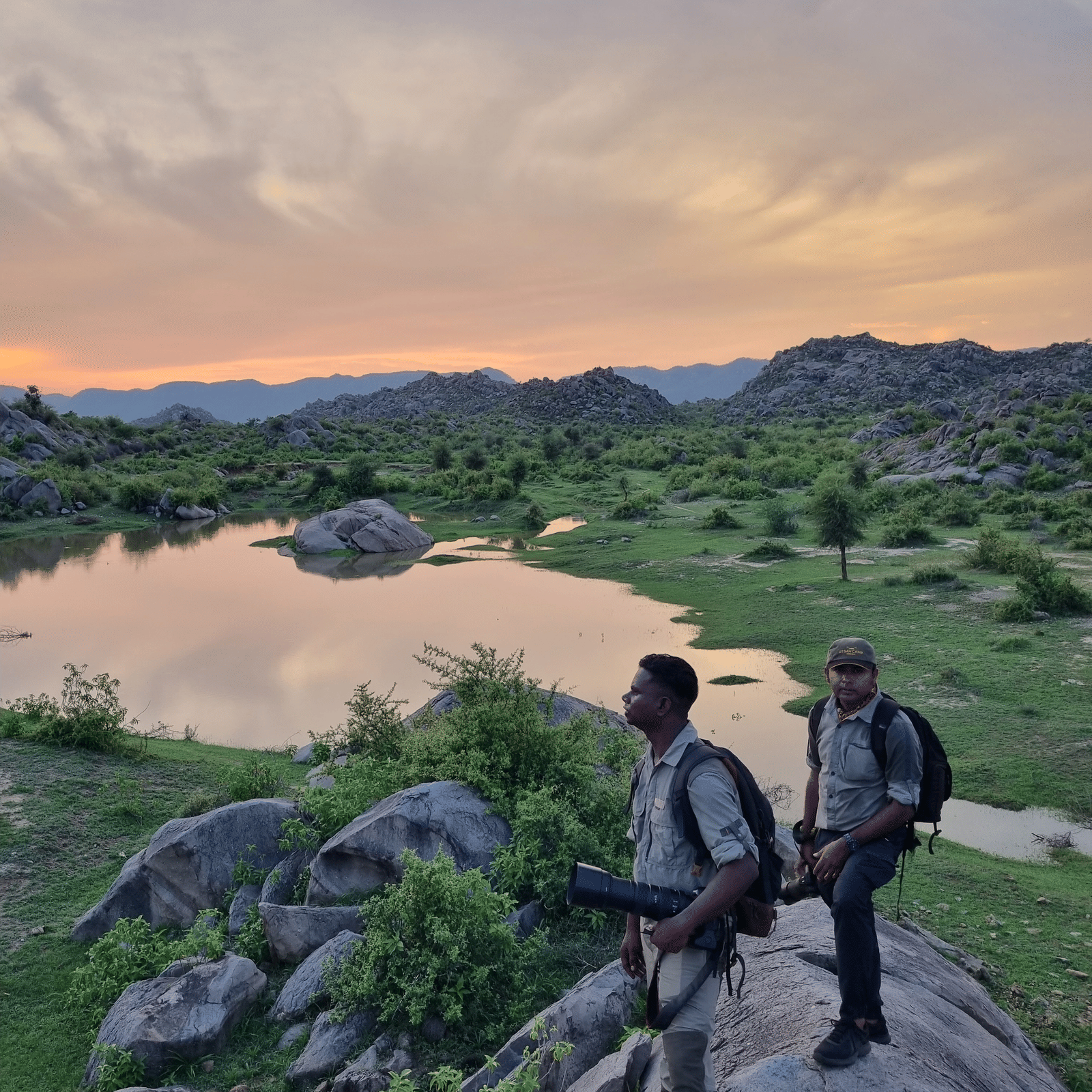
Key Differences Between Jeep & Canter Safaris
- Capacity: Jeep seats 6 visitors plus driver and guide; canter seats approximately 20.
- Flexibility: Jeeps can stop longer at sightings and move off main tracks. Canters follow fixed routes with limited stopping time.
- Noise: A smaller vehicle is quieter at close range, which affects animal behaviour
- Cost: Canter permits are typically lower-priced than jeep permits at the same park
- Permit availability: In peak season, canter permits are sometimes easier to secure at short notice
Beyond choosing the right destination and season, understanding how safaris operate is what turns a wildlife trip into a well-planned experience. Jungle safari experiences India offers are shaped by each park’s terrain, wildlife patterns, and seasonal rhythms. Unlike many wildlife destinations around the world, jungle safari experiences in India follow a structured permit system, where every visitor entering a core zone requires a pre-booked Forest Department permit and a certified guide accompanies each vehicle. While no reserve can promise sightings, selecting the right season, zone, and safari timing can greatly improve the chances of rewarding encounters.
Most parks offer 2 daily sessions: morning safaris from around 6 AM to 10 AM and afternoon drives between roughly 2 PM and 6 PM. For peak-season visits to popular reserves such as Ranthambore, Bandhavgarh, and Corbett, booking 6 to 8 weeks ahead is recommended. Whether booked through a state Forest Department portal or an authorised tour operator, planning around core zone availability rather than fixed travel dates often leads to a far richer safari experience.


With safari permits available throughout the year and fewer booking pressures outside peak months, Sariska offers a more accessible tiger experience. For travellers exploring northern India’s wildlife circuit, it is not just a safari destination but a story of resilience and revival. A Sariska safari offers the opportunity to experience this remarkable conservation journey while exploring the reserve’s diverse landscapes.
For travellers looking to experience Sariska at a slower pace, Utsav Camp Sariska offers a nature-inspired retreat around 7 km from the reserve’s Tehla gate. Spread across 7 hectares of restored Aravalli scrubland, the camp is surrounded by ancient Paleoproterozoic boulder formations that predate the Himalayas by over a billion years. Its 18 accommodations, including Stone Cabins, Forest Bungalows and Forest Villas, blend comfort with the raw beauty of the wilderness.
The camp makes exploring Sariska seamless, with an in-house naturalist team arranging Sariska National Park safaris, buffer zone wilderness drives, and birdwatching experiences featuring over 280 recorded species. Sustainability is woven into the experience through a 100 kW solar installation, a pesticide-free on-site garden, and a team largely made up of members from the local Tehla village. For those seeking a quieter wildlife escape, Utsav Camp Sariska offers more than a stay; it provides a meaningful base to discover Sariska’s forests, wildlife and remarkable conservation story.


Offbeat Places near Delhi
Explore Sariska, a peaceful escape near Delhi where wildlife, ancient Aravalli landscapes, and immersive nature experiences create a refreshing alternative to the usual weekend getaway.
Read More

Places to Visit near Delhi
If you are planning a 2-day trip from Delhi and want something with genuine depth, Alwar is well worth the drive.
Read More

Jungle Safari in Rajasthan
Experience the thrill of a jungle safari in Rajasthan amid Sariska’s wild landscapes.
Read More

Best Time to Visit Sariska
Discover the best time to visit Sariska for wildlife sightings and pleasant weather.
Read More

Art and Culture of Rajasthan
The Rajasthan culture that visitors see today is rooted in centuries of Rajput kingdoms, caravan trade routes and desert communities that learned to thrive in a harsh yet beautiful landscape.
Read More

Tourist Attractions in Alwar
Exploring the signature Alwar tourist places allows visitors to traverse from historic forts to raw nature in one compact journey.
Read More

Kite Festival in Jaipur
Celebrate Jaipur’s Kite Festival with colourful skies and festive energy, then unwind in nature at Utsav Camp Sariska for a balanced cultural escape.
Read More
New Year Celebration in India
Enjoy Jaipur’s festive New Year nights and serene mornings at Utsav Camp Sariska, blending royal celebrations with calm nature experiences.
Read More

Family Vacation to India
Discover the joy of togetherness with a family trip to India, where Utsav Camp Sariska brings you closer to nature, culture, and cherished memories.
Read More

Flights from US to India
Plan your journey with the best flights from US to India and travel seamlessly to Utsav Camp Sariska for an unforgettable nature and heritage escape.
Read More

Adventure Tour to India
Embark on an adventure tour to India with Utsav Camp Sariska as your base. Experience jeep safaris, ancient forts, serene lakes, and thrilling outdoor escapes in Rajasthan.
Read More
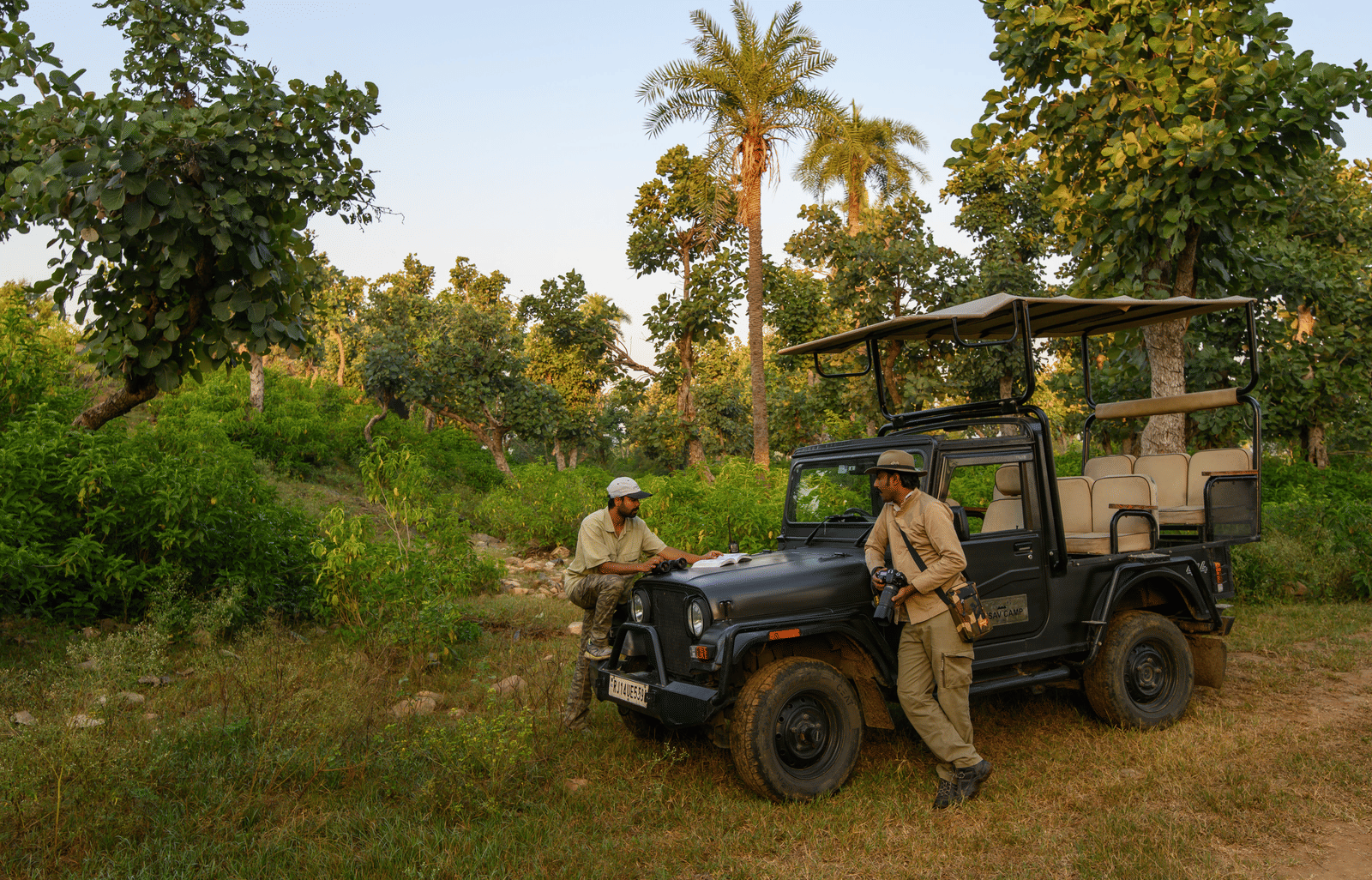
Tourist Attractions in India
Discover top tourist attractions in India near Utsav Camp Sariska — from tiger safaris and ancient temples to majestic forts and tranquil lakes in Rajasthan’s heartland.
Read More

Behind the Scenes of a Hand-painted Map
Behind the scenes of Utsav Camp Sariska’s hand-painted Naturalist Map—7 days of artistry capturing the wild spirit of Sariska Tiger Reserve.
Read More

National Parks & Tiger Reserves in Rajasthan
Discover Rajasthan’s diverse landscapes and vibrant wildlife. Explore its famous national parks and tiger reserves, from Ranthambore to Sariska, and experience nature at its finest.
Read More
Embracing Eco Tourism in Rajasthan
Experience sustainable travel in Rajasthan with eco-friendly stays, conservation-driven safaris, and unique adventures that connect you with nature and local communities.
Read More

Golden Triangle Tour in India
Discover the Golden Triangle Tour in India with a twist—Delhi, Agra, Jaipur, and a wilderness escape at Utsav Camp Sariska. A perfect blend of history, culture, and nature.
Read More

Best Time to Visit India
Planning your trip to India? Learn about the best time to visit India, from vibrant festivals to wildlife safaris, with Utsav Camp Sariska as your perfect retreat.
Read More
Tiger Conservation in India
The urgent need for tiger protection in India became clear by the early 1970s, as relentless hunting, habitat loss, and poaching had reduced the population to below 1,800.
Read More
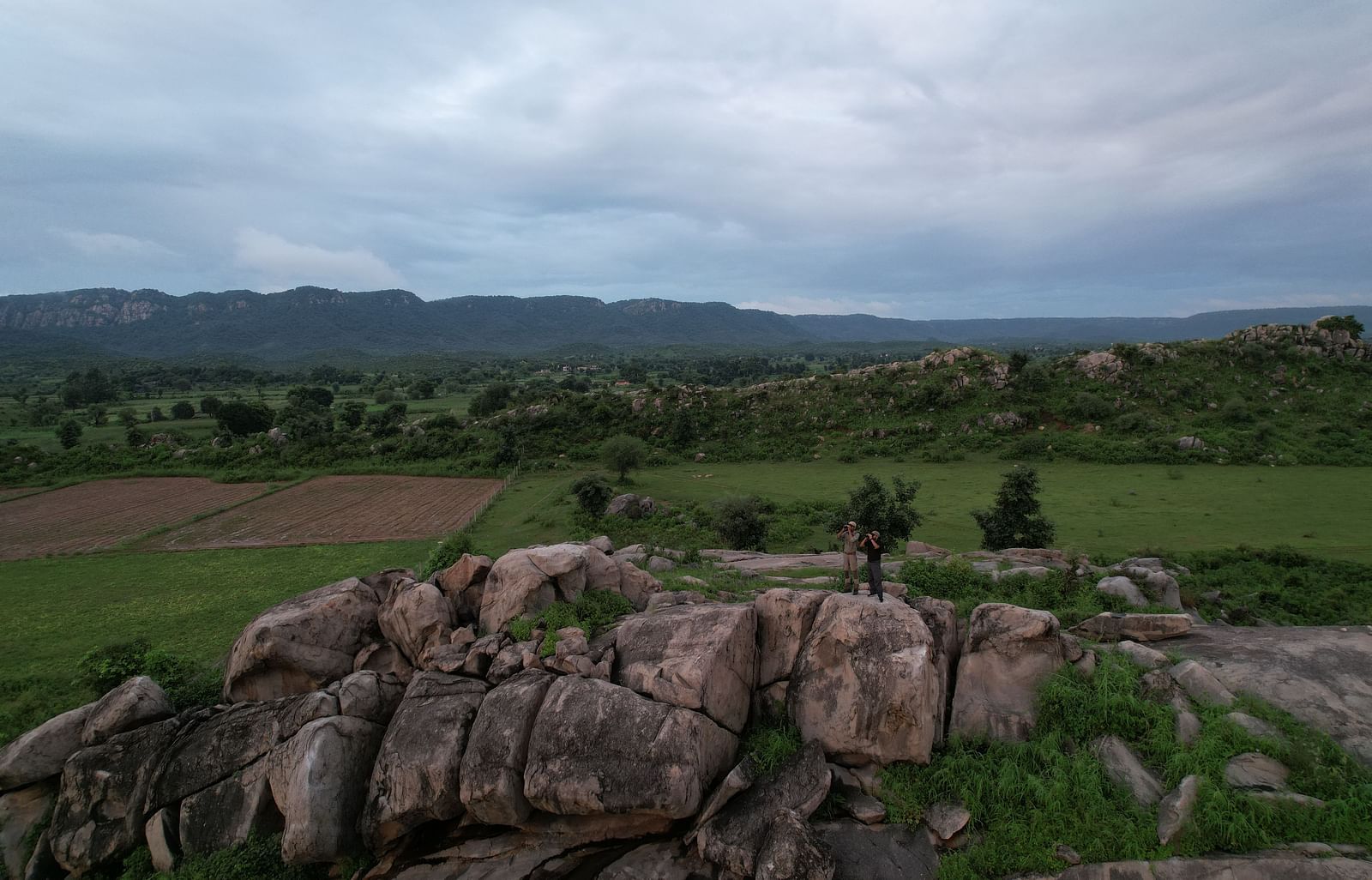
Sariska and Ranthambore
Discover the ultimate comparison between Sariska and Ranthambore, Rajasthan's most spectacular tiger reserves. Explore which destination suits your wildlife adventure perfectly.
Read More

National Tiger Day in India: Sariska’s Roar of Revival
Marking International Tiger Day on July 29, celebrate Sariska’s extraordinary revival—a beacon of hope for tiger conservation day across India
Read More

The Glowing Eyes
A thrilling morning in Sariska as glowing eyes in the dark lead to an unforgettable leopard encounter and wild insights.
Read More

In the Wild Heart of Sariska: A Journey into the Unknown
An intern’s first encounter with the wild at Sariska—from leopard sightings to silent sunsets, a journey into nature, guided by expert naturalists and deep curiosity.
Read More

Hide and Seek with Hyena
First hyena sighting in Sariska! An unforgettable morning in the wild—tracking, hiding, and finally witnessing this elusive creature in its natural habitat.
Read More

Rajmata of Sariska
Discover the story of ST-2, the Rajmata of Sariska, and witness her legacy thrive among the wild landscapes she helped reclaim.
Read More
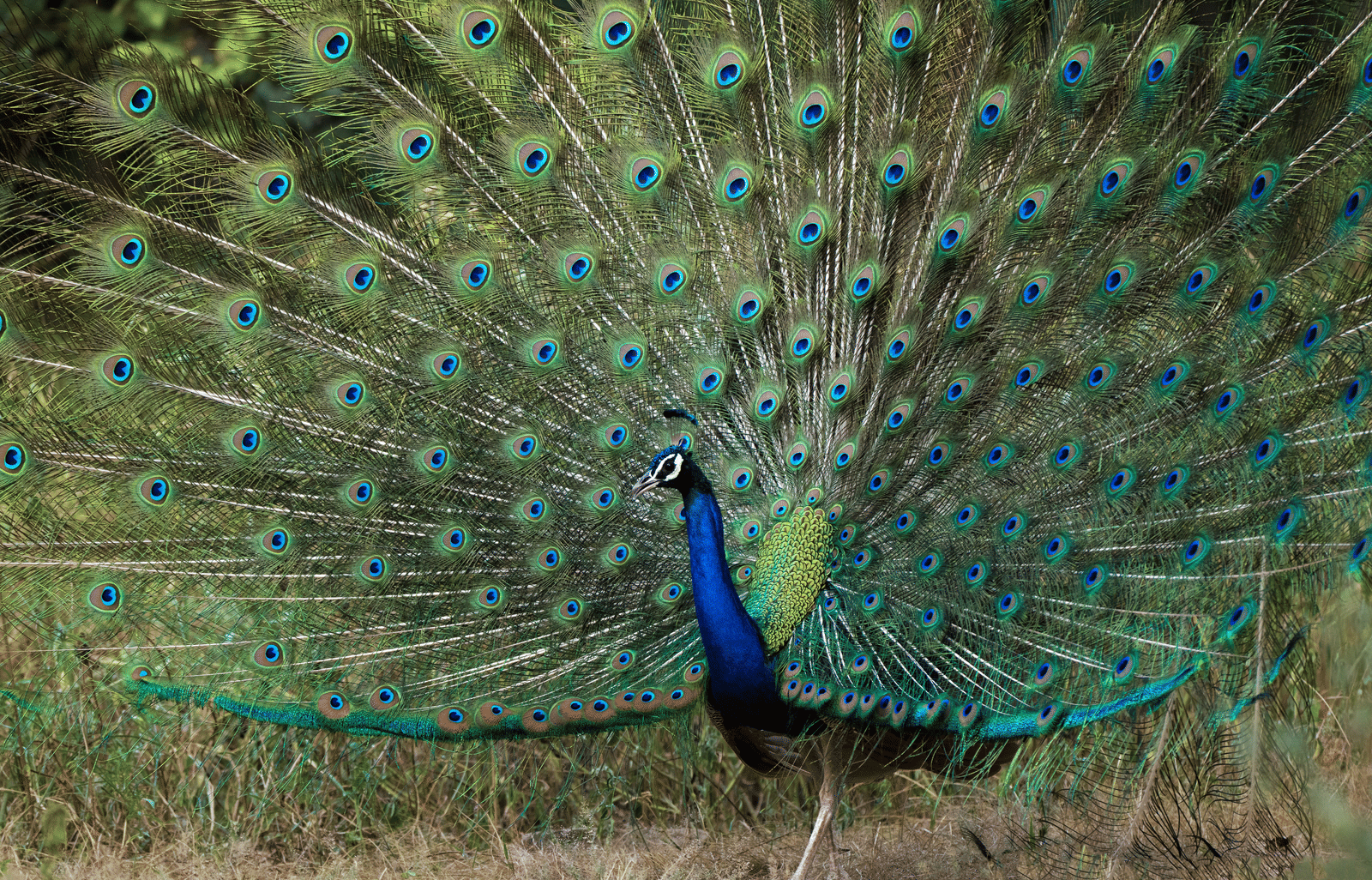
Sariska Tourism
Sariska tourism offers something for every traveller, from thrilling safaris and ancient ruins to serene lakes and eco-conscious stays.
Read More
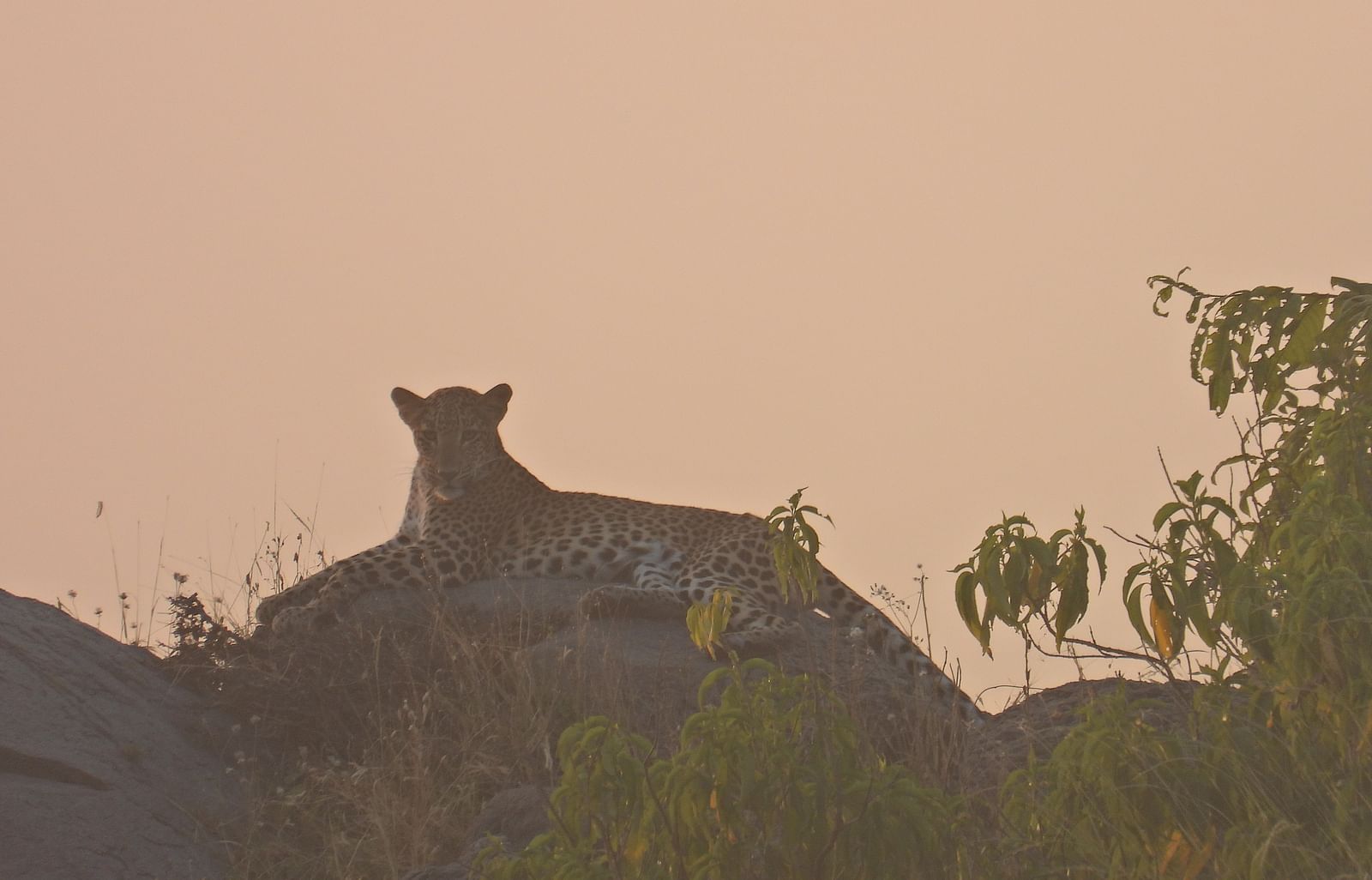
Shankar: The Ghost of the Boulders and a Testament to Resilience
Experience serenity and the marvel of wildlife at Utsav Camp Sariska. Join us on our exclusive Wilderness Drive, nestled amid Sariska's stunning boulders.
Read More

Tigers in Sariska
Sariska's journey from losing its tiger population to successfully reviving it is a testament to India’s dedication to wildlife conservation.
Read More
_98cb2ae3)
Animals in Sariska National Park, Rajasthan
Visiting Sariska National Park offers an unforgettable experience. It showcases the captivating wildlife in Rajasthan with breathtaking sightings and serene landscapes.
Read More

Weekend Getaway from Gurgaon
Sariska offers a well-rounded short trip from Gurgaon whether you want a wildlife escape, historical exploration, or a peaceful retreat.
Read More

Trip to Sariska National Park
Whether you are a first-time visitor or a seasoned wildlife enthusiast, this guide will help you plan the perfect trip to Sariska National Park.
Read More
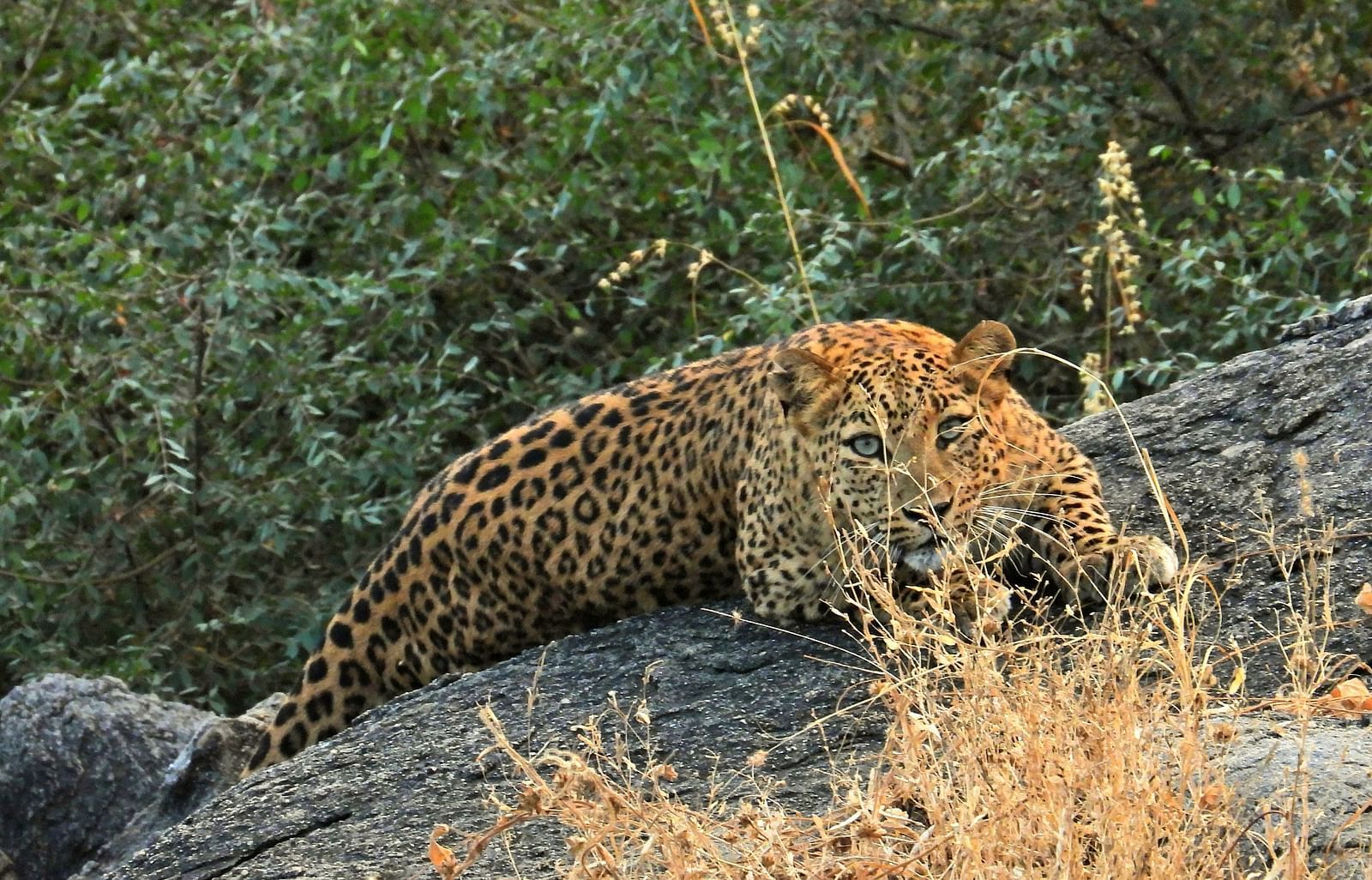
An Unforgettable Wilderness Walk Among Sariska's Leopards
Join us on Utsav Camp Sariskas’ curated Wilderness walk in Sariska, where a leopard sighting left us in awe. Discover the beauty and unpredictability of nature at Utsav Camp Sariska.
Read More
Weekend Getaways From Jaipur
When life gets busy, and you yearn for a quick escape from the hustle and bustle of city life, Tehla in Alwar is one of the perfect weekend getaways in Rajasthan.
Read More
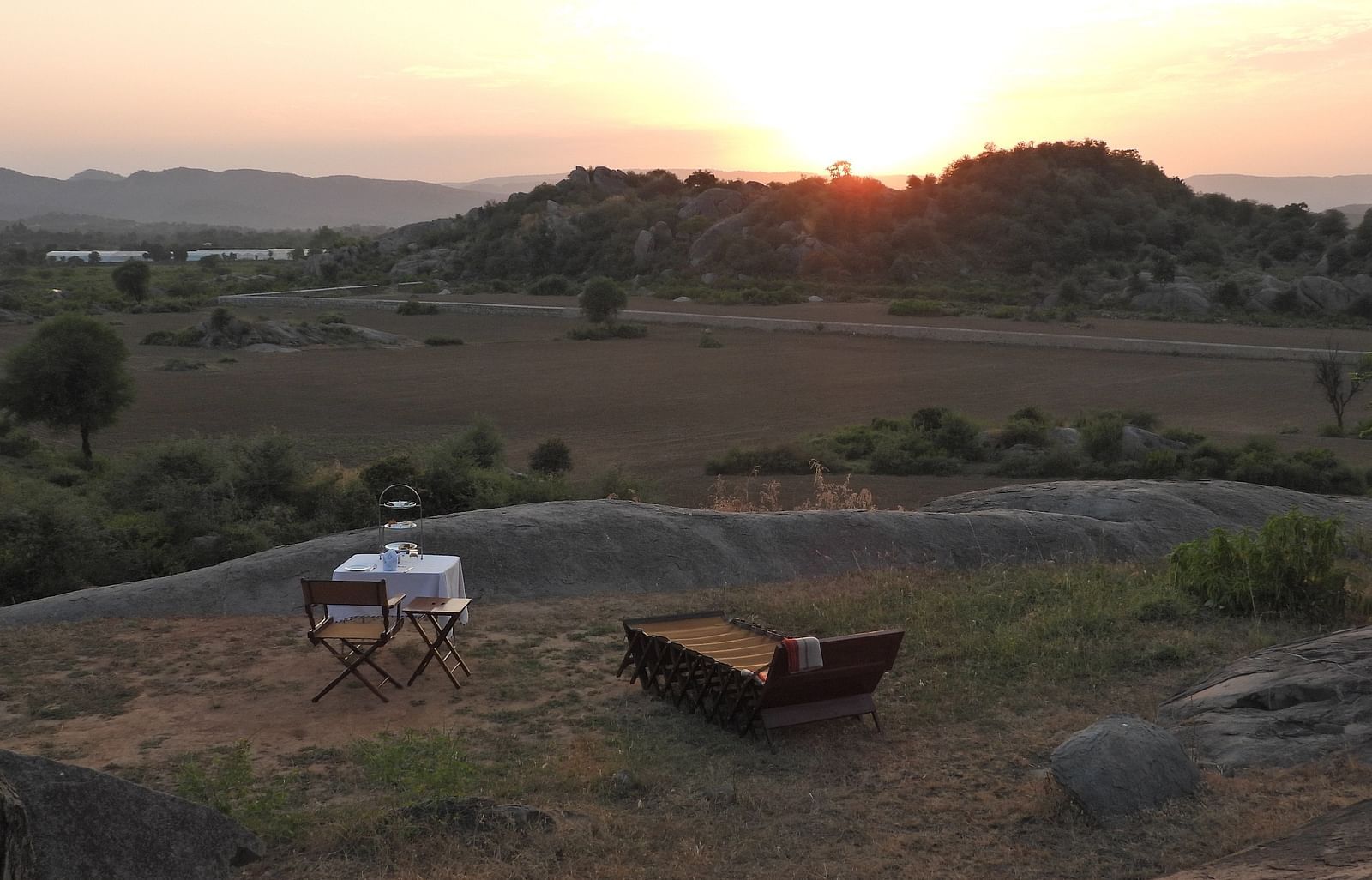
A Dawn with Leopards
Experience serenity and wildlife at Utsav Camp Sariska, with an exclusive Boulder Sundowner amidst stunning boulders.
Read More
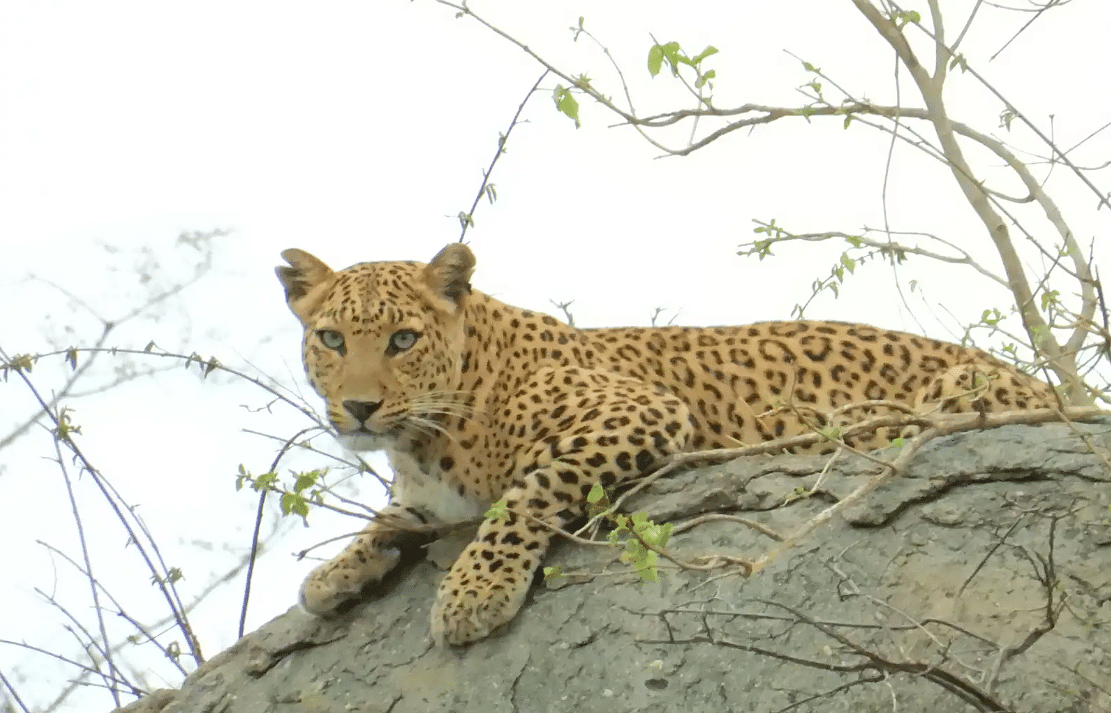
The Leopards of Sariska
Unveil the elusive leopards of Sariska. Enjoy thrilling safaris and sustainable luxury at Utsav Camp Sariska.
Read More
Wildlife Photography in Sariska
Perfect your wildlife animal photography in Sariska with expert tips on timing, composition, and gear.
Read More

The Role of Tehla in Sariska’s Conservation Legacy
Tehla enriches Sariska’s conservation legacy through eco-tourism and sustainability. Explore the Sariska National Park Safari with Utsav Camp Sariska.
Read More

Places to Visit Sariska
Here are five must-visit places to visit around Sariska that go beyond the typical wildlife safari experience.
Read More

Sariska Tiger Reserve and National Park
Sariska offers an incredible opportunity to witness the majestic Royal Bengal tigers, with other fascinating creatures, in their natural habitat.
Read More
Sariska Safari
A Sariska Safari is an adventure that promises excitement, serenity, and a chance to witness the wonders of nature up close.
Read More
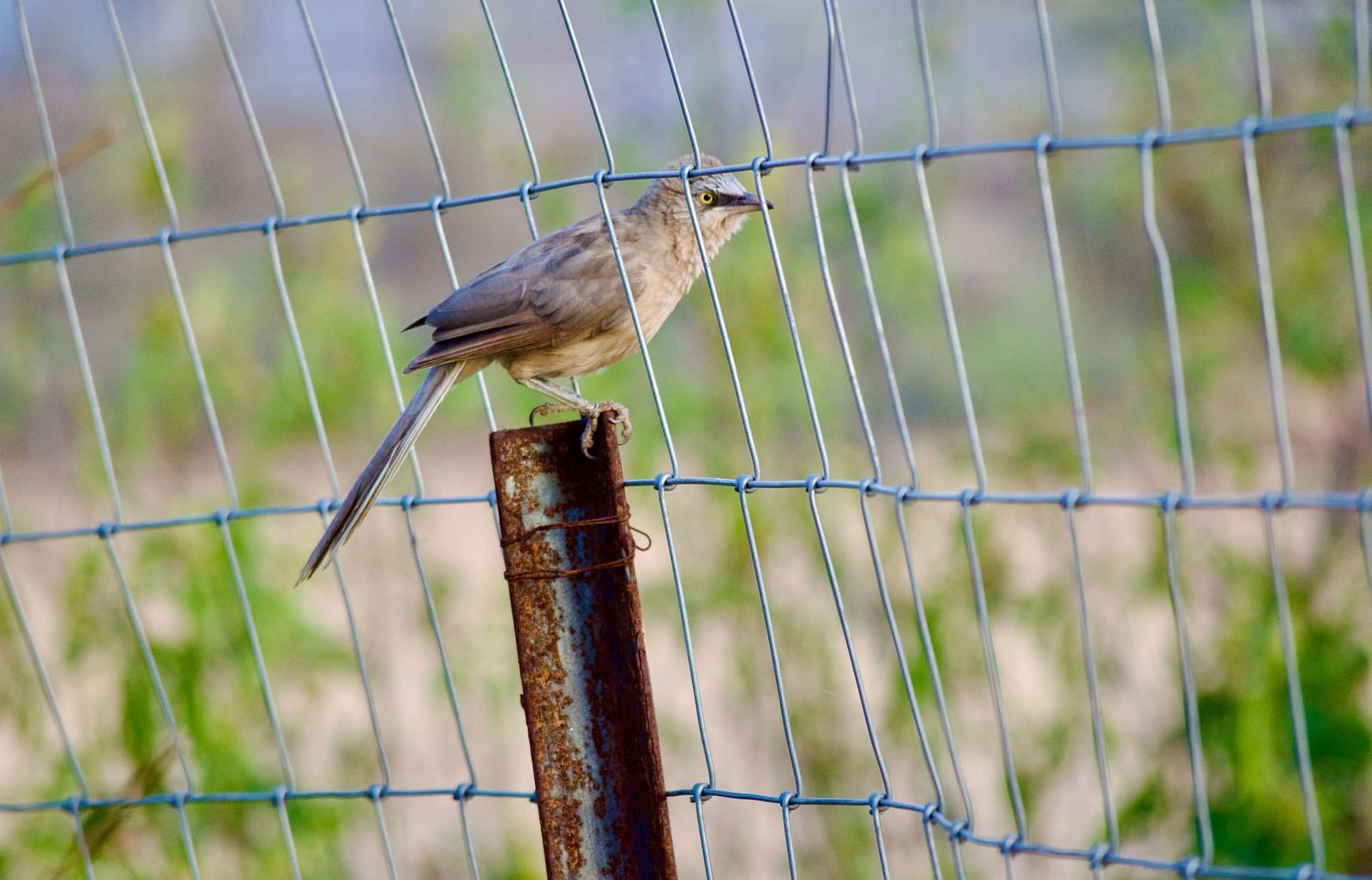
Weekend Gateway From Delhi
Sariska is perfect for quick getaways from Delhi, offering the right mix of adventure, wildlife, and tranquillity with a stay at Utsav Camp.
Read More
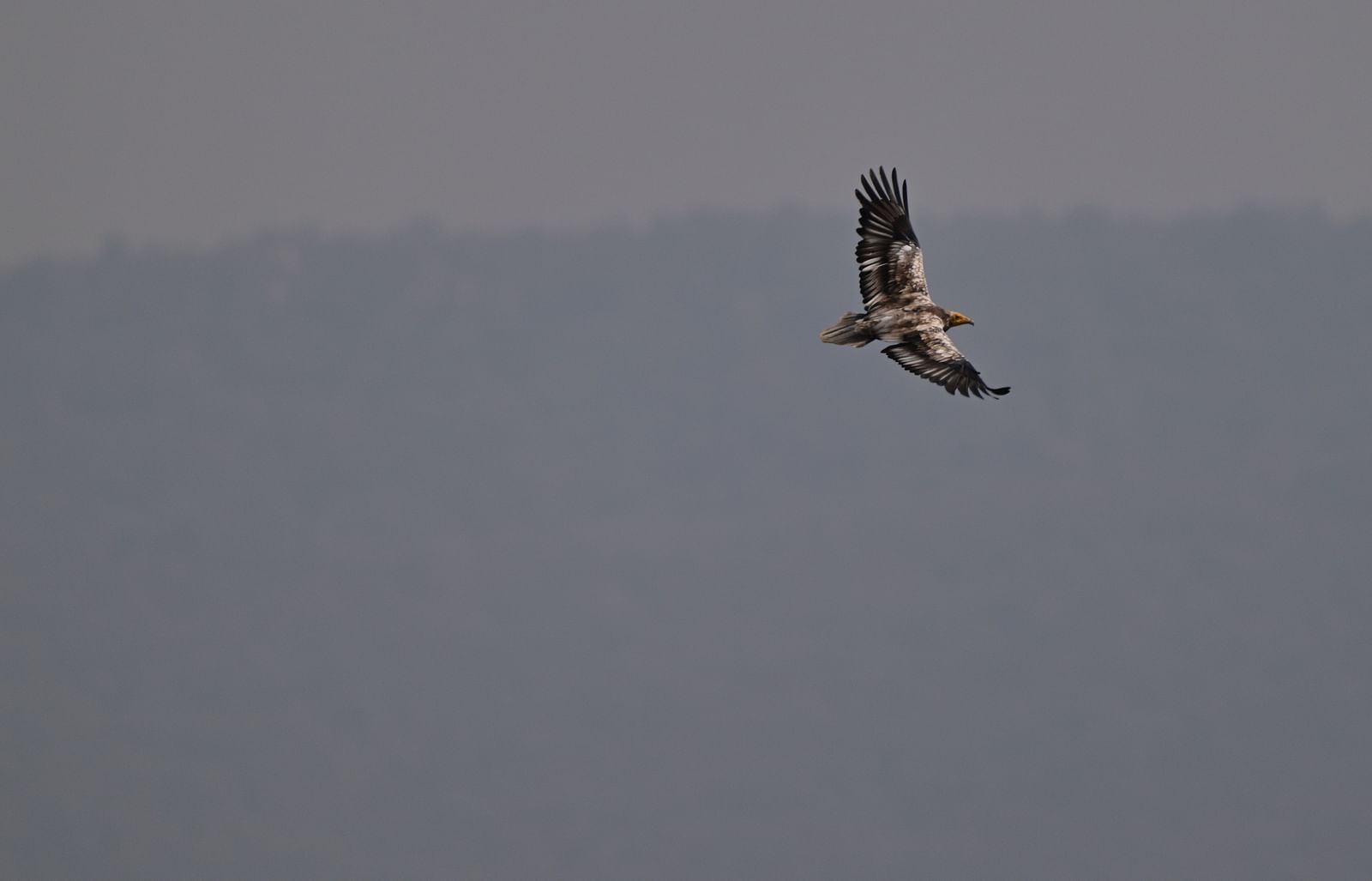
Vultures of Sariska
Discover the diverse vulture species inhabiting Sariska, their ecological roles, and the environmental effects they bring.
Read More
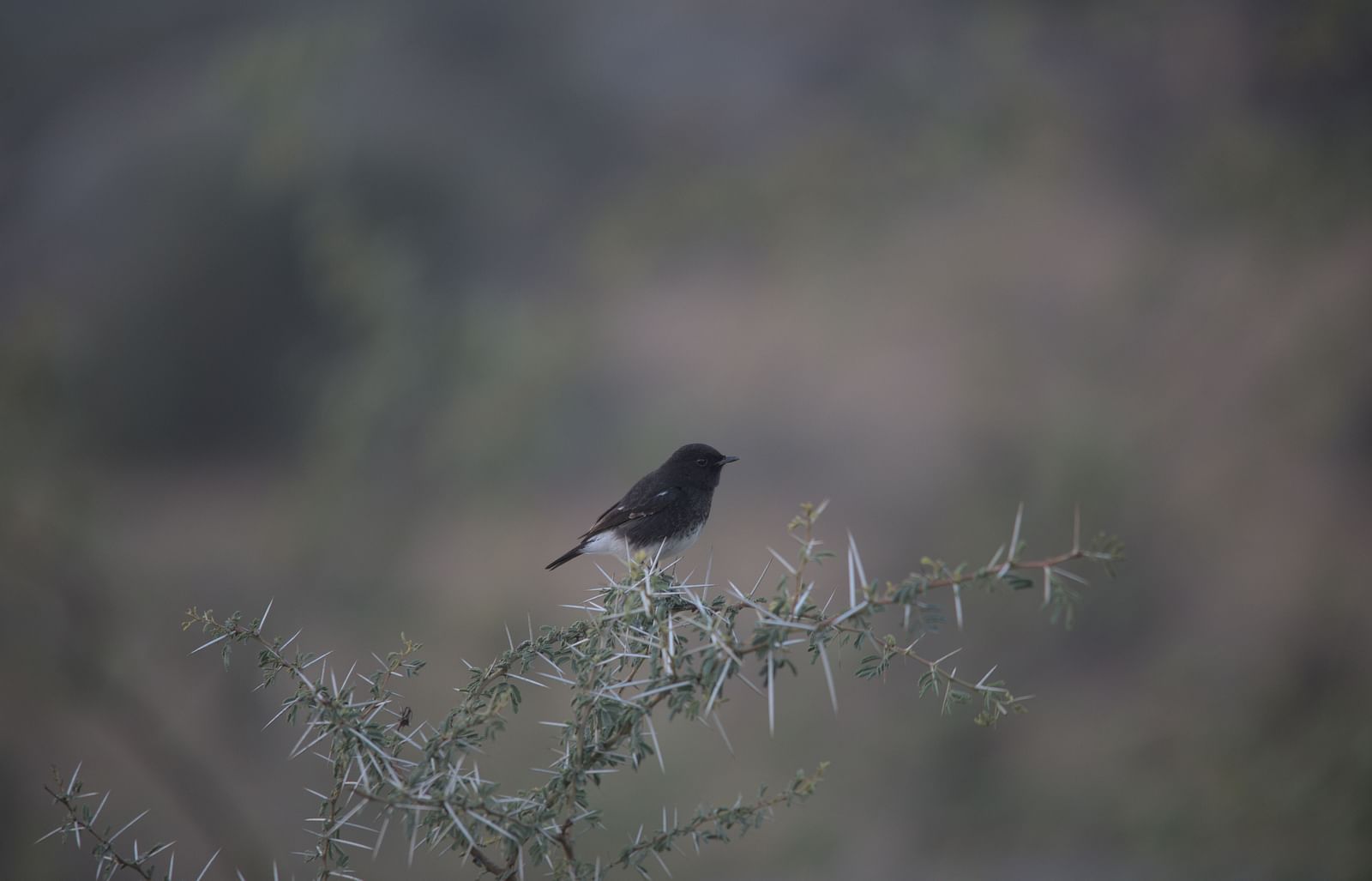
Deciduous Jungle of Sariska
The deciduous jungle of Sariska is home to a variety of trees and plants, each with significant medicinal and commercial value. Discover more about these remarkable species in this detailed guide.
Read More

Mythological Importance of Sariska
Learn about the mythological significance of Sariska, including its temples, forts, and more, in this insightful blog.
Read More
Sariska Tiger Reserve
Uncover Sariska Tiger Reserve in Alwar, Rajasthan! Delve into its history, park timings, and more in this detailed blog.
Read More
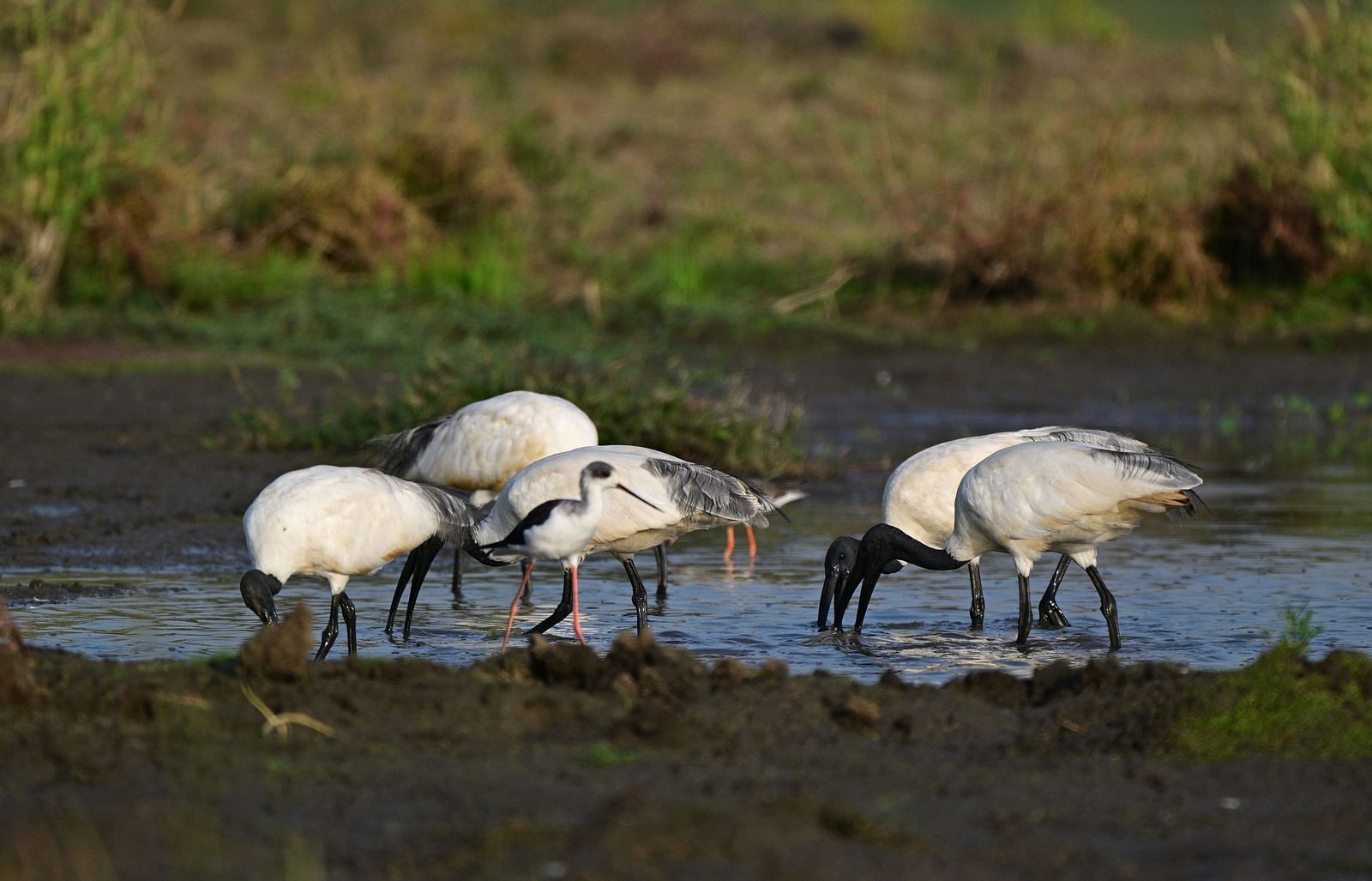
Avifauna of Utsav Camp Sariska, Around the Camp, and Nearby Wetlands
Explore the Avifauna of Utsav Camp Sariska, with diverse bird species around the camp and nearby wetlands, offering a birdwatcher's paradise and serene natural beauty.
Read More
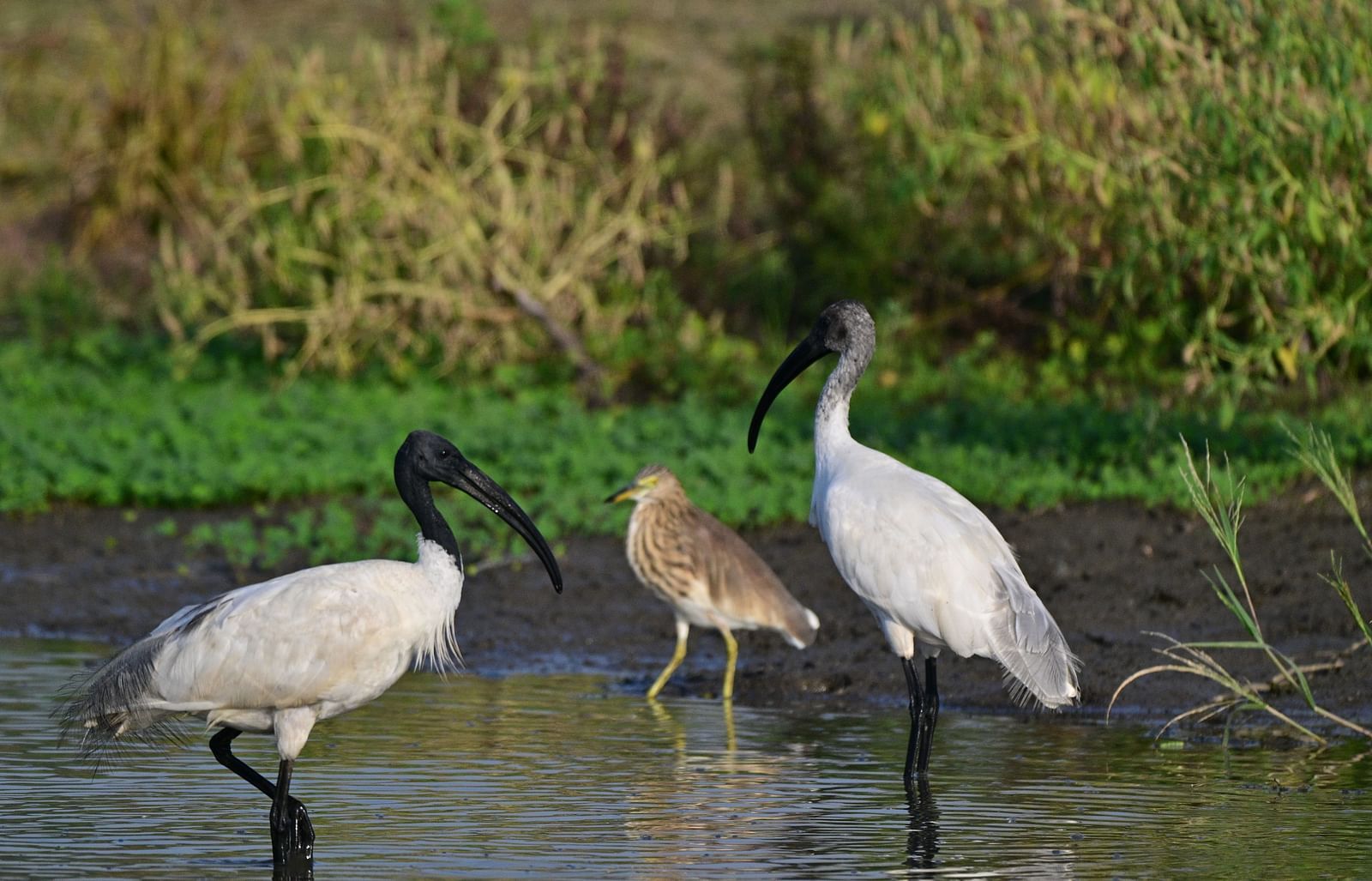
Migratory Birds of Sariska
Delve into the migratory birds of Sariska and discover their seasonal migration patterns in this insightful blog.
Read More
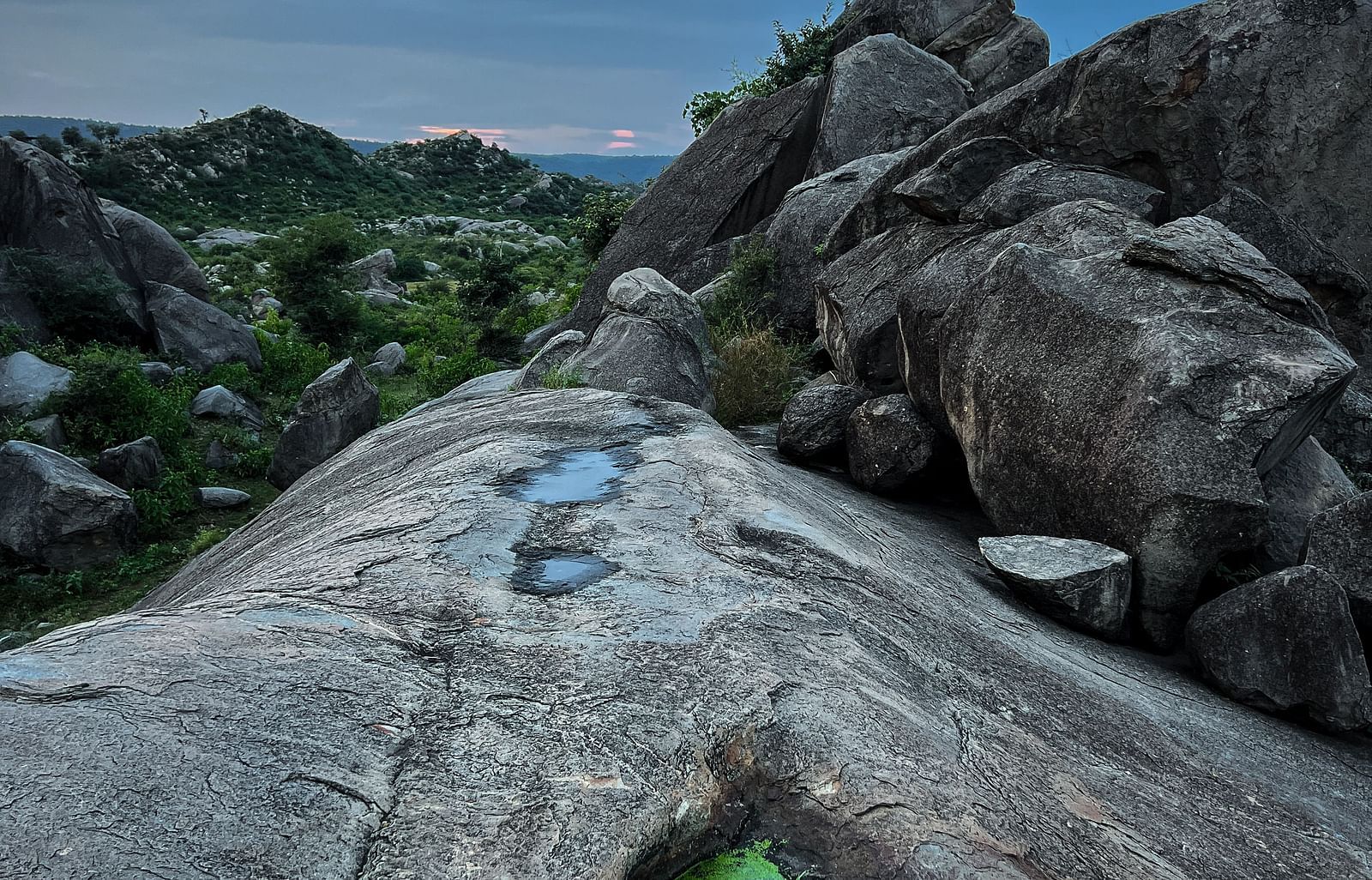
Boulders of Tehla
Explore the enchanting world of Tehla's boulders, and its diverse flora and fauna, beautifully depicted in this detailed blog.
Read More
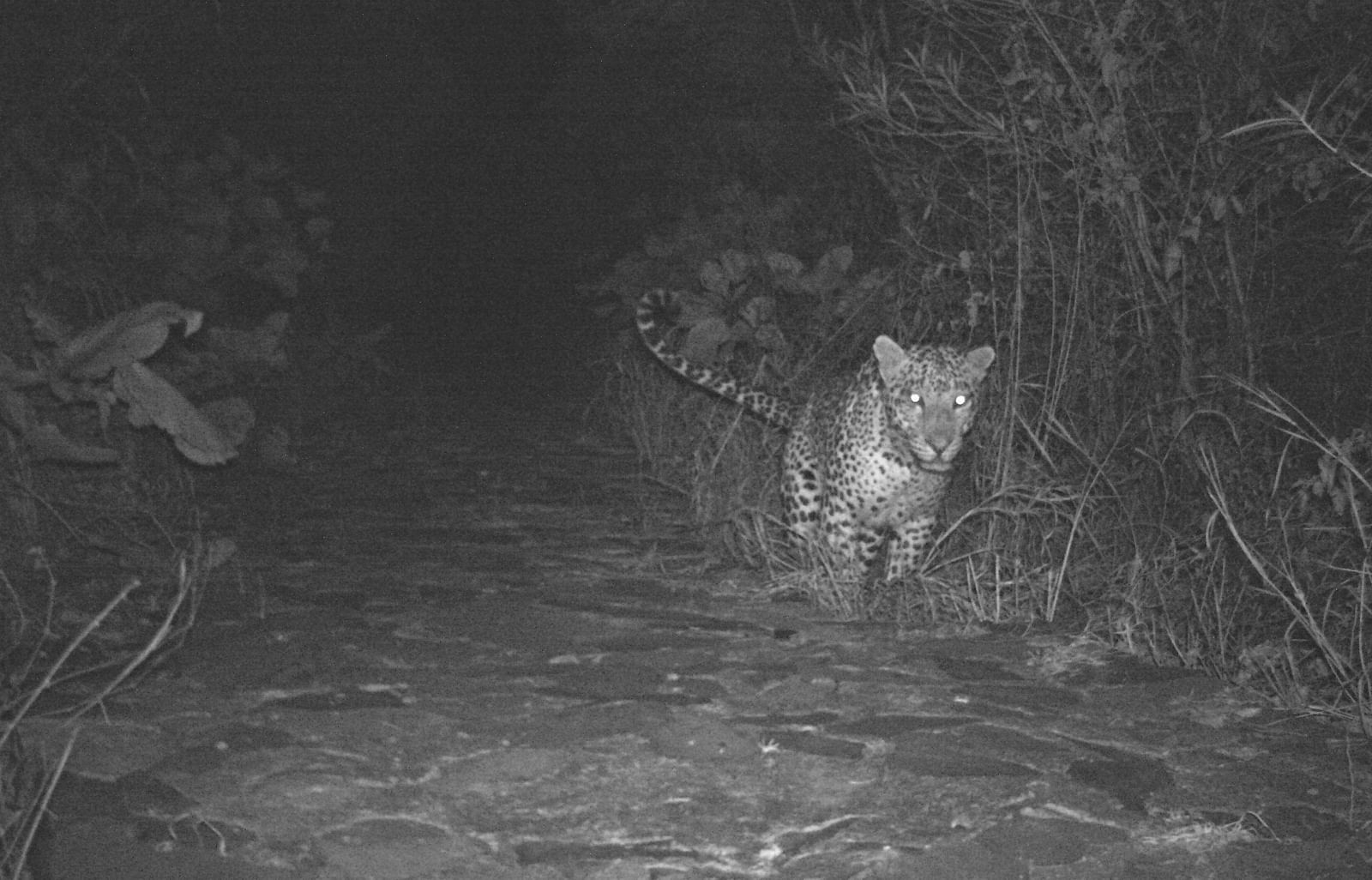
Camera Trap
Camera traps are used to record notable animal behaviour changes over a decade. Learn how we use them at Utsav Camp Sariska to monitor the wildlife surrounding us.
Read More